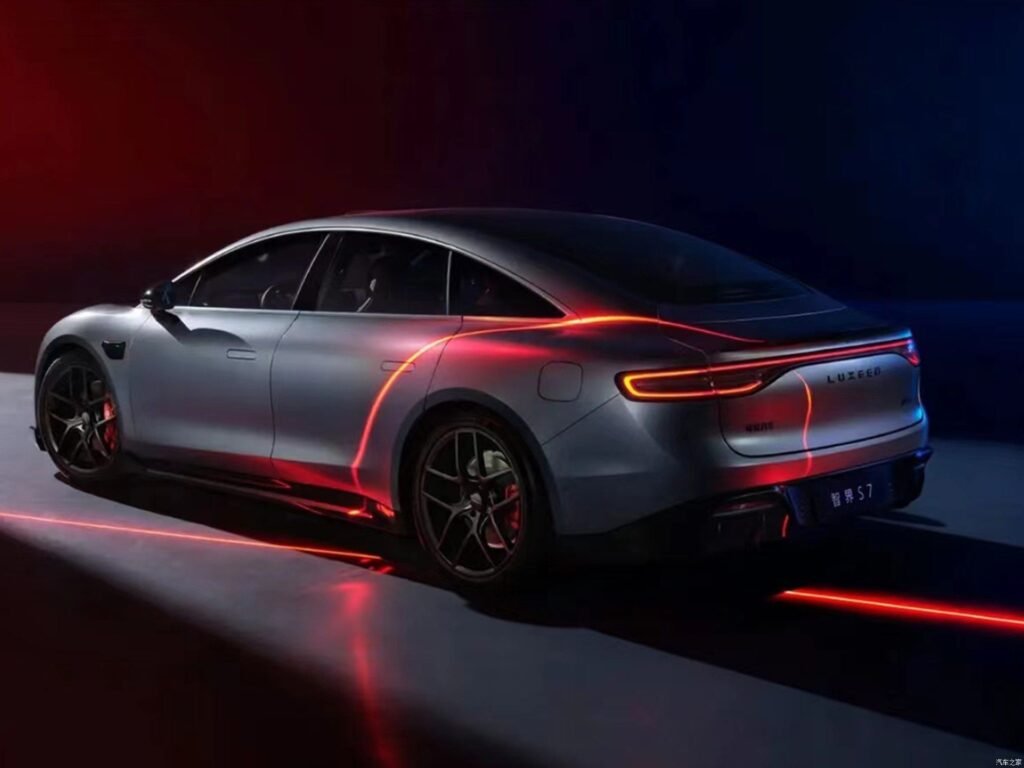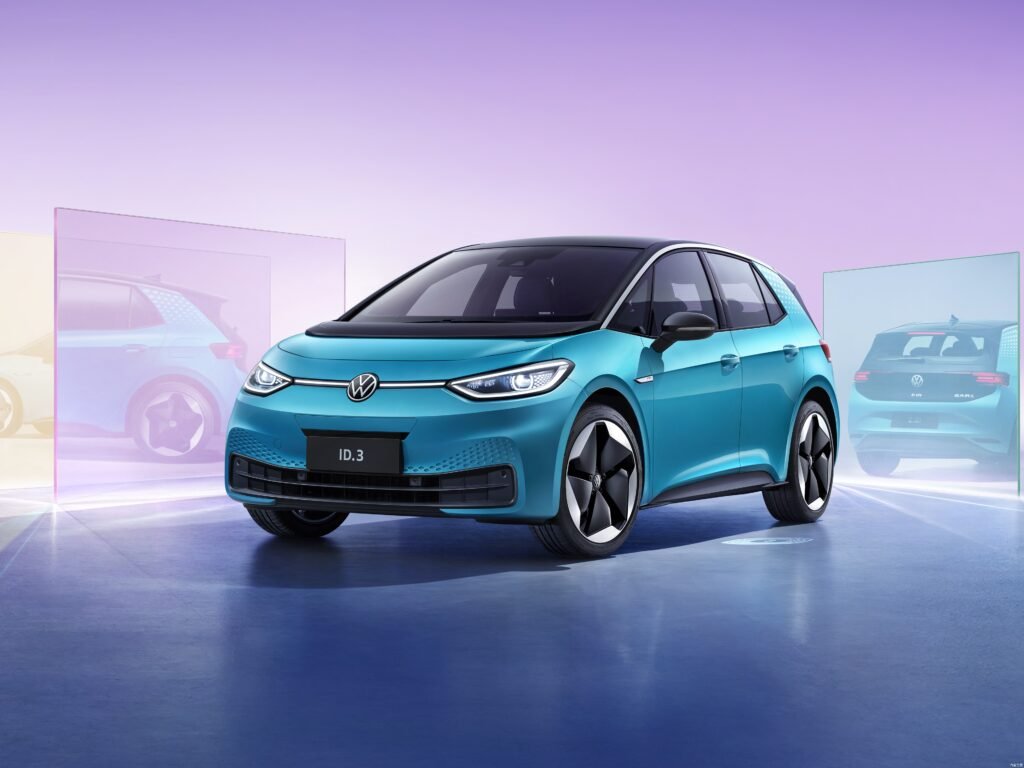
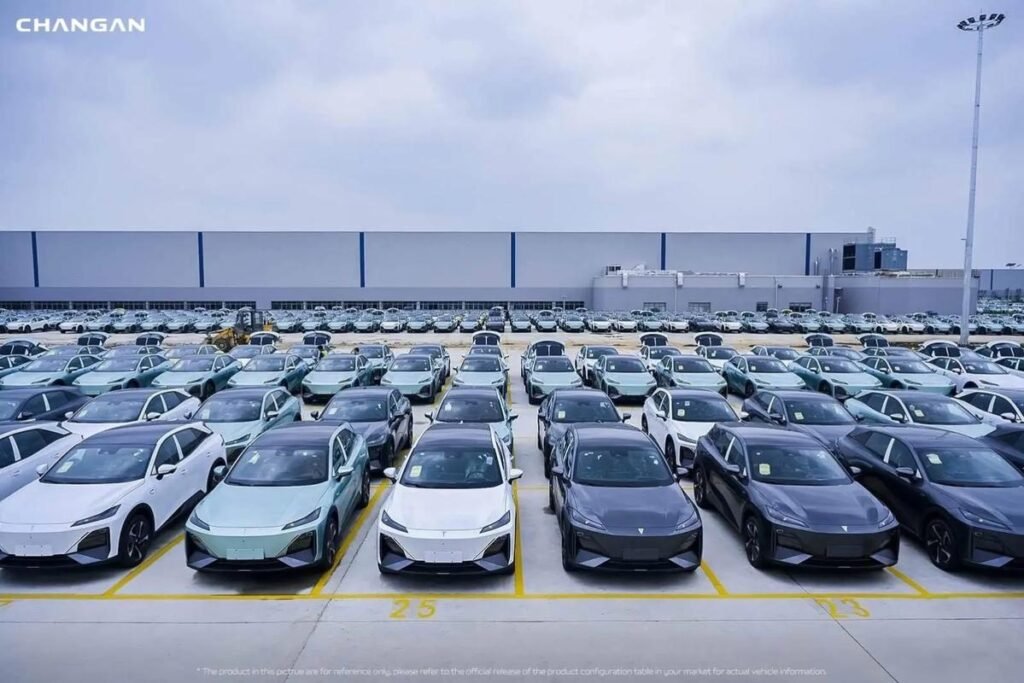
As the whistles of new cars sound in ports around the world, the globalization of China’s automobile manufacturing industry is advancing at an unprecedented pace. How can global importers seize the opportunity in this wave?
Chinese-made vehicles are gaining increasing recognition in the global market. From economy cars to high-end electric models, China’s automotive industry offers a diverse range of choices.
According to data from the China Association of Automobile Manufacturers, China’s automobile exports exceeded 5 million units in 2023, surpassing Japan for the first time to become the world’s largest auto exporter.
This achievement not only reflects the technological progress of China’s automotive manufacturing but also signals a significant shift in the global automotive trade landscape.
01 Market Opportunities
The rise of China’s automotive industry is no accident. After decades of development, China has established a complete automotive supply chain and advanced manufacturing capabilities.
In recent years, breakthroughs in the new energy vehicle sector have been particularly notable, with brands like BYD, NIO, and XPeng emerging on the international stage.
Chinese automakers not only offer strong price competitiveness but also demonstrate unique advantages in cutting-edge fields such as intelligent connectivity, battery technology, and autonomous driving. These technological advancements have become key factors driving global buyers to consider importing cars from China.
Against the backdrop of global supply chain restructuring, importers in many countries are beginning to seek diversified procurement channels to reduce dependence on traditional automotive manufacturing centers. This trend has created a new window of opportunity for Chinese auto exports.
02 Advantage Analysis
The most direct appeal of importing cars from China lies in price advantage. Fierce competition among domestic Chinese brands and scaled production give vehicles a clear competitive edge in pricing.
Even for international brands manufactured in China, their prices are often lower than those of the same models imported directly from Europe or the United States.
Chinese cars often come with richer technological configurations, with many models featuring advanced functions as standard equipment that would require additional fees in European or American markets, such as intelligent driving assistance systems, large touchscreens, and advanced infotainment systems.
The leading position of China’s automotive industry in the electric vehicle sector cannot be ignored, with battery technology, charging efficiency, and overall vehicle intelligence all at the forefront globally.
03 Detailed Import Process
The entire process of importing cars from China can be broken down into eight key steps, each requiring careful planning and professional support.
Finding a reliable supplier is the first and most critical step. A quality supplier not only provides suitable products but can also assist with subsequent complex logistics and customs clearance procedures.
Professional auto export companies like ICHELABA MOTOR –https://ichelabamotor.com/
can provide end-to-end import solutions, greatly simplifying the entire process.
During the model selection and price negotiation phase, importers need to assess the regulatory requirements of the target market to ensure that the chosen model complies with local emission standards, safety regulations, and technical specifications. Long-term factors such as after-sales service and parts supply should also be considered.
Completing registration, inspection, and compliance are necessary procedures before vehicle export. Chinese customs and inspection authorities will conduct export inspections on vehicles to ensure they meet export standards and issue relevant certification documents.
Following pre-import regulations involves administrative work such as obtaining import licenses and filling out customs forms. Required documents typically include bills of lading, commercial invoices, vehicle certificates, and import permits.
Understanding the cost structure is an important foundation for import decision-making. In addition to the vehicle invoice price, importers also need to consider value-added tax or consumption tax, modification costs, export fees, shipping and insurance costs, import processing fees and duties, as well as transportation, storage, and delivery costs upon arrival.
04 Logistics and Transportation Options
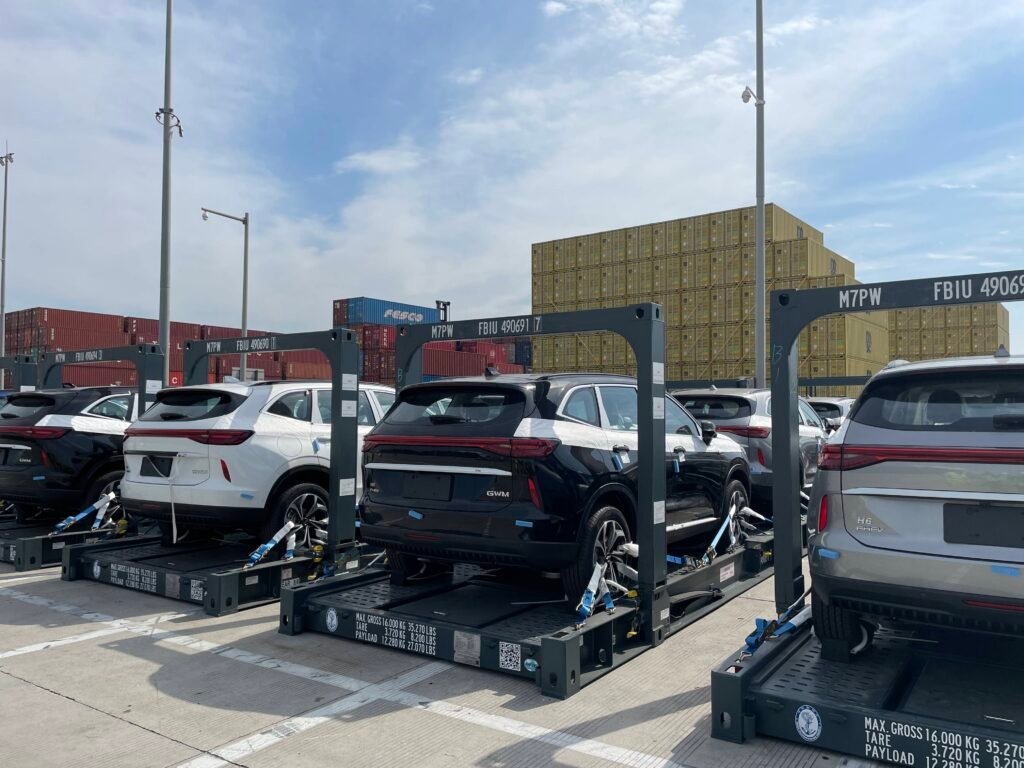
Choosing the right logistics solution is crucial to ensuring vehicles arrive safely and on time. Roll-on/Roll-off (RoRo) shipping is the most commonly used method for automobile import and export, where vehicles can be driven directly onto specially designed vessels.
Full Container Load (FCL) shipping provides a higher level of protection, particularly suitable for high-end vehicles or smaller batch shipments. Shared container services offer a more cost-effective option, suitable for importers with limited budgets.
Regardless of the transportation method chosen, it’s necessary to discuss shipping costs, transit times, departure and destination ports, and shipping methods in detail with the logistics company. Professional logistics partners can provide optimized transportation solutions and real-time tracking services.
05 Customs Clearance and Local Compliance
After vehicles arrive at the destination port, local customs authorities will review all import documents and calculate applicable duties and taxes. This process requires a complete document package, including commercial invoices, bills of lading, certificates of origin, and insurance certificates.
Many countries require imported vehicles to pass local vehicle compliance tests to ensure they meet safety and emission standards. This may require certain modifications, such as adjusting lighting systems, emission controls, or safety devices.
After completing customs clearance, importers need to register the vehicle according to local regulations. This typically involves submitting documents, passing safety inspections, meeting emission standards, purchasing vehicle insurance, and paying registration fees, taxes, etc.
06 Cost Structure and Budget Planning
Understanding the total cost of importing cars is key to successful importing. Direct costs include vehicle procurement price, international shipping, insurance, and tariffs.
Indirect costs include document processing fees, port operation fees, inland transportation fees, storage fees, and possible modification costs. Importers in emerging markets also need to consider the risk of currency exchange rate fluctuations.
Establish a detailed cost budget sheet and reserve 10-15% contingency funds to address unforeseen expenses. Working with experienced import agents can help accurately estimate total costs and avoid budget overruns.
When importing cars from China, long-term ownership costs also need to be considered, including parts supply, warranty services, and potential resale value factors.
As the last imported car completes local registration, the journey that began on the production line of a Chinese factory officially comes to an end. Data from international logistics companies shows that China’s automobile export transportation time has shortened by 30% compared to five years ago.
Currently, over 100 countries have become destinations for Chinese auto exports, from the hot markets of Southeast Asia to the cold regions of Northern Europe. When steering wheels turn in the hands of people of different skin colors and languages, a more diverse new global automotive trade landscape has already taken shape.