Blog

Your blog category

China’s Auto Industry Profit Crisis: Selling a $13,800 Car Earns Just $206

Despite dominating global headlines, Chinese automakers are caught in a brutal price war—average profit margins have collapsed to just 1.5%. The Paradox of China’s Auto Boom If you follow automotive news, you’d be forgiven for thinking Chinese car manufacturers are the undisputed champions of the global industry. They’re outcompeting Japanese brands, outperforming German luxury marques, and flooding international markets with affordable electric vehicles. But here’s the uncomfortable truth: for every $13,800 cars sold, Chinese automakers pocket only about $206 in profit. According to the China Association of Automobile Manufacturers (CAAM), the average profit margin for vehicle manufacturing in the first five months of 2026 was a meager 1.5%. The industry’s financial health is so concerning that investors have labeled automotive stocks “boomer stocks,” with the broader auto index in steady decline. In just the first half of 2026, 17 listed Chinese automakers saw their combined market value plummet by $1.1 trillion. If Everyone Is Losing, Who’s Winning? This is the central paradox. While Western automakers like Volkswagen (mass layoffs), Honda (CEO shake-up), and Stellantis (reporting a $19 billion half-year loss) are publicly struggling, Chinese brands appear to be thriving on the surface. But when you look closer at the numbers, no one is truly winning in today’s Chinese auto market. Chinese consumers might be getting incredible deals, but automakers—both foreign and domestic—are bleeding. Does Launching New Cars Drive Sales? The industry is in a state of complete flux—think of it as the “Five Dynasties and Ten Kingdoms” period of automotive history. Every player is fighting for supremacy in a collapsing old order, and the primary weapon is an unrelenting blitz of new models. The numbers are staggering: Social media is rife with owners complaining about design flaws in their brand-new cars, only to be met with comments like, “Your model is already outdated—try next week’s new car.” And yet, despite this unprecedented product onslaught, overall passenger vehicle sales in China fell 20% year-over-year in H1 2026. The H1 2026 Sales Leaderboard: A Snapshot of Pain Rank Brand H1 2025 Sales H1 2026 Sales Growth 25 Fang Cheng Bao 60,746 130,752 +115% 28 NIO 74,356 119,257 +60% 22 Zeekr 85,334 135,838 +59% 6 Leapmotor 194,653 260,193 +34% 15 Xiaomi Auto 157,926 185,055 +17% 19 AITO 147,700 162,740 +10% 26 Deepal 116,995 127,054 +9% 23 GAC Aion 136,579 134,827 -1% 29 GAC Trumpchi 113,698 110,492 -3% 20 Changan Qiyuan 148,587 144,244 -3% 14 Li Auto 203,938 193,472 -5% 9 Tesla 263,410 238,955 -9% 4 Geely Auto 473,056 399,796 -15% 18 Buick 193,838 163,545 -16% 3 Toyota 741,366 614,837 -17% 10 BMW 269,920 220,972 -18% 13 Nissan 245,916 200,029 -19% 11 Audi 269,920 218,303 -19% 24 XPeng 178,488 134,378 -25% 30 Lynk & Co 142,586 106,242 -25% 5 Geely Galaxy 519,728 378,708 -27% 2 Volkswagen 934,191 665,493 -29% 8 Changan 339,728 241,425 -29% 7 Wuling 360,187 247,226 -31% 16 Chery 263,500 178,305 -32% 17 Mercedes-Benz 250,684 169,280 -32% 27 Haval 183,071 121,227 -34% 21 Hongqi 209,677 137,799 -34% 12 Honda 314,409 205,321 -35% 1 BYD 1,471,288 795,726 -46% Key observation: Only seven brands in the top 30 posted positive growth—and these were primarily Chinese new energy vehicle (NEV) startups. Meanwhile, 23 brands saw sales decline, with 7 of those dropping by more than 30%. The Vanishing 5 Million: German and Japanese Brands in Freefall The headline numbers tell only part of the story. To understand the scale of the disruption, you need to look back five years. Japanese Brands: A 1.12 Million Unit Collapse (H1 only) Brand H1 2021 Sales H1 2026 Sales Lost Volume Toyota 820,000 614,837 ~205,000 Honda 780,000 205,321 ~570,000 Nissan 540,000 200,029 ~340,000 Total 2,140,000 1,020,187 ~1,120,000 German Brands: A 1.07 Million Unit Collapse (H1 only) Brand H1 2021 Sales H1 2026 Sales Lost Volume Volkswagen 1,250,000 665,493 ~580,000 BMW 360,000 220,972 ~140,000 Audi 370,000 218,303 ~150,000 Mercedes-Benz 360,000 169,280 ~190,000 Total 2,340,000 1,274,048 ~1,070,000 Combined: German and Japanese automakers have lost 2.19 million units in just the first half of the year compared to 2021 levels. When you factor in year-end sales surges, industry analysts estimate these legacy brands have shed nearly 5 million annual sales in China over the past five years. And the trend shows no signs of stabilizing. This explains the desperate restructuring measures—plant closures, mass layoffs, and executive reshuffles—being implemented across the board. Did Chinese Brands Win? Not yet. The seven brands that posted positive growth in H1 2026 all had relatively small bases in 2025—typically around 100,000 units. Even Leapmotor, the strongest performer, still trails many legacy brands in absolute volume. Most of these rising stars have yet to crack the 200,000-unit mark. Meanwhile, established Chinese automakers are suffering alongside their foreign rivals: Brand H1 2026 Sales Drop Lost Volume BYD -46% ~680,000 units Geely Galaxy -27% ~140,000 units Changan -29% ~100,000 units Chery -32% ~90,000 units The subsidy cuts and purchase tax adjustments have hit mass-market Chinese brands particularly hard. They’re squeezed between premium foreign brands on one side and aggressive domestic startups on the other. The Endgame: Only Five Players Will Survive This brutal environment recalls the “Hundred Regiments Offensive” of China’s internet sector—a period of intense, bloody competition where profits evaporate and only the most resilient survive. XPeng’s CEO He Xiaopeng has predicted that only five automakers will ultimately remain standing in China’s consolidated market. The question is: which Chinese brands will make it? Factors That Will Determine Survivors: What This Means for Consumers For buyers, the current environment represents an unprecedented opportunity. High-quality vehicles are available at historically low prices, with automakers effectively competing on razor-thin margins. But this phase is unsustainable. As weaker players exit the market, pricing power will eventually consolidate, and margins—and prices—will likely rise. For now, consumers are enjoying the spoils of a hyper-competitive market, but the long-term sustainability of the entire ecosystem is in question.

China’s Auto Industry Profit Crisis: Selling a $13,800 Car Earns Just $206 Read More »

China PHEV Market Report: BYD Song Pro DM-i Wins June, Fang Cheng Bao Tai 7 Takes H1 Crown

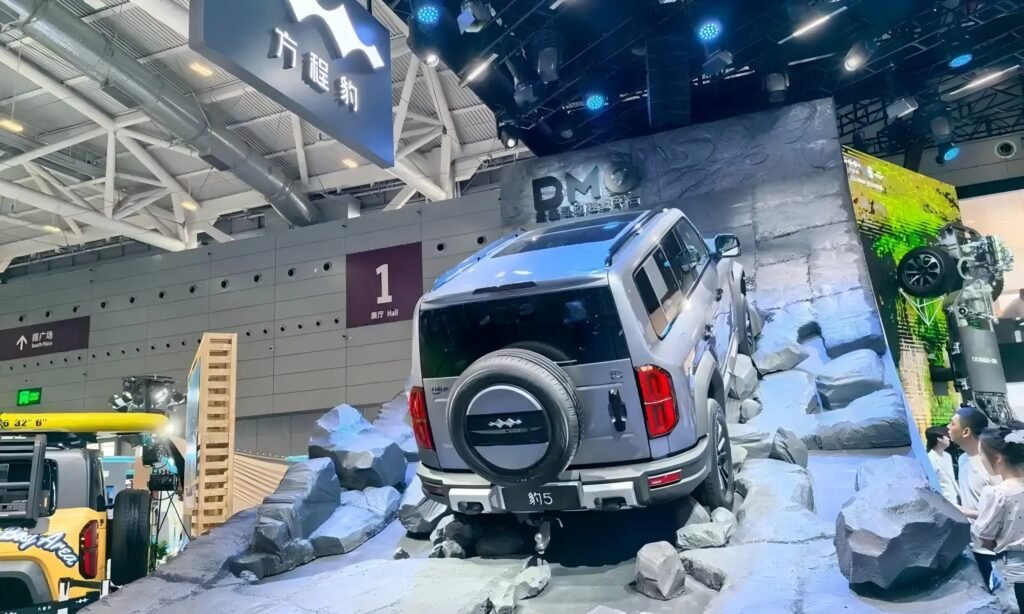
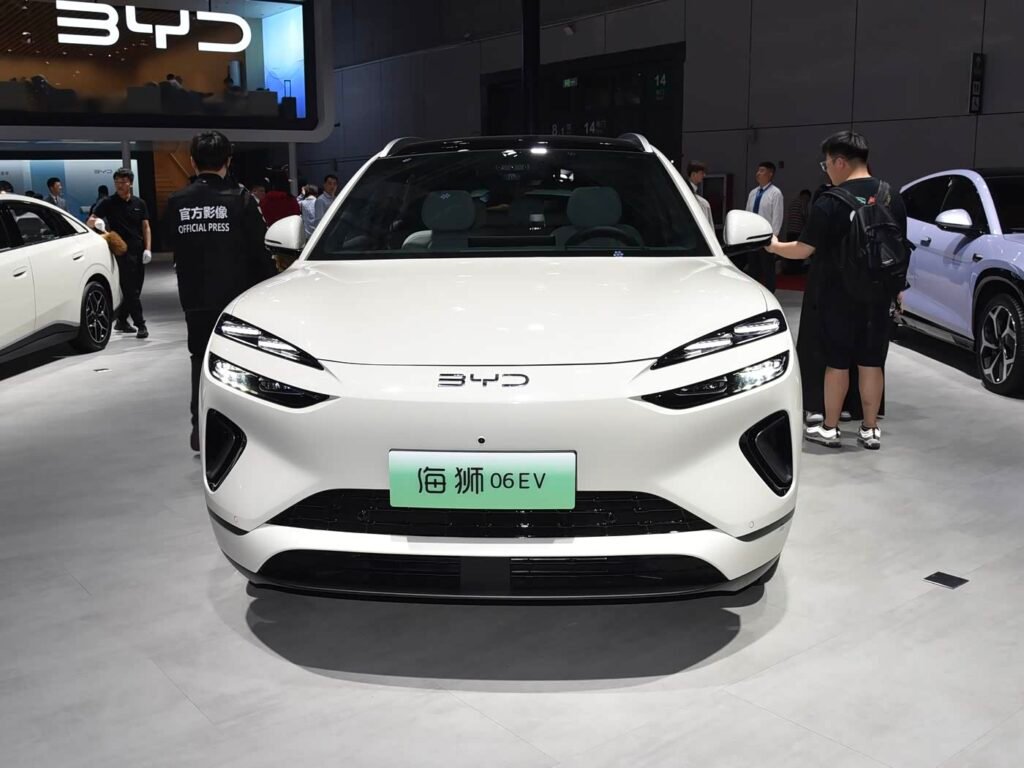
June 2026 PHEV sales hit 236,000 units—BYD and Fang Cheng Bao dominate the leaderboard, securing all top 7 spots. PHEV vs. BEV: A Tale of Two Powertrains China’s new energy vehicle (NEV) market is increasingly a two-horse race. While battery electric vehicles (BEVs) continue to dominate the overall sales volume, plug-in hybrid electric vehicles (PHEVs) have carved out a substantial and fast-growing niche. In June 2026, total PHEV sales reached approximately 236,000 units, accounting for 23.6% of the total NEV market . By comparison, range-extended electric vehicles (EREVs)—often grouped with PHEVs in consumer conversations—sold 75,000 units during the same period, highlighting a clear consumer preference for plug-in hybrids over range-extenders. June 2026 PHEV Sales Snapshot: Powertrain Type June Sales (units) Share of NEV Market PHEV ~236,000 23.6% EREV ~75,000 7.5% Source: Provided market data June 2026: Top PHEV Models by Monthly Sales The monthly leaderboard shows fierce competition, with multiple models exceeding 10,000 units sold in June alone. Rank Model June Sales Key Insight 1 BYD Song Pro DM-i ~16,400 Reclaims PHEV SUV top spot; affordable pricing + extensive dealer network 2 Fang Cheng Bao Tai 7 ~14,900 Rugged mid-large SUV; off-road styling + hybrid system draw 3 BYD Sealion 05 DM-i ~11,300 Youth-focused design; sporty aesthetics 4 BYD Qin PLUS DM-i ~10,700 Still the benchmark in the 100,000 RMB (~$13,800) PHEV segment 5+ Sealion 06 DM-i, Qin L PHEV 5,000+ Growing consumer choice with diverse offerings Top takeaway: BYD and its premium sub-brand Fang Cheng Bao secured all seven of the top seven positions in June’s PHEV leaderboard—a remarkable concentration of market power. H1 2026: The Cumulative Champion While June belonged to the Song Pro DM-i, the six-month cumulative race tells a different story. Rank Model H1 2026 Sales Key Insight 1 Fang Cheng Bao Tai 7 ~88,600 Consistent monthly performance secures the half-year crown 2 BYD Song Pro New Energy ~76,300 Steady performer, remains a brand pillar 3 BYD Qin PLUS ~51,600 Value-for-money proposition holds third place Concentration at the top: Only three PHEV models surpassed the 50,000-unit threshold in H1 2026—a clear indication of headwistor market concentration. Brand Concentration: BYD’s Unmatched Dominance The numbers speak for themselves: This level of dominance mirrors BYD’s broader strategy of saturating every price point, from entry-level commuters (Qin PLUS) to rugged premium SUVs (Fang Cheng Bao Tai 7). What’s Driving the PHEV Surge? 1. Price Accessibility The Song Pro DM-i and Qin PLUS DM-i compete aggressively in the 100,000 RMB (~$13,800) price bracket—a critical sweet spot for first-time NEV buyers who remain range-anxious. 2. No Range Anxiety PHEVs offer the best of both worlds: electric-only commuting with a gasoline backup. For Chinese consumers in less charger-dense regions, this is a decisive advantage over pure BEVs. 3. SUV Preference Chinese buyers gravitate toward SUVs, and the Song Pro DM-i and Fang Cheng Bao Tai 7 capitalize on this trend with spacious interiors and commanding road presence. 4. Brand Trust BYD’s extensive service network and proven battery technology (including the second-generation Blade Battery) build consumer confidence that newer brands struggle to match. 5. Rapid Product Refresh New entrants like Galaxy Star 7 PHEV and Sealion 06 DM-i are already showing strong month-over-month growth, indicating that the segment is far from saturated. Product iteration cycles are accelerating. BYD Group’s Dominance: A Broader Context BYD Group’s PHEV success is part of a larger story. Across all powertrains in July 2026, BYD delivered 419,211 NEVs, including 233,105 BEVs and 177,967 PHEVs . The company’s PHEV lineup alone outsells many competitors’ entire NEV portfolios. Comparison: BYD’s July PHEV sales (~178,000) already exceed the entire June PHEV segment’s top 4 models combined. The group’s overseas expansion is equally aggressive—shipping 180,538 vehicles abroad in July, representing over 43% of total sales . Implications for the Global Auto Industry China’s PHEV market offers several lessons for global automakers: Market Outlook While BEVs remain the long-term trajectory, PHEVs are proving resilient. With new models entering the segment monthly—and BYD’s dominance showing no signs of waning—the PHEV market is likely to maintain its ~23% share of total NEV sales through 2026. Analysts are watching several trends:

China PHEV Market Report: BYD Song Pro DM-i Wins June, Fang Cheng Bao Tai 7 Takes H1 Crown Read More »

China EV Market H1 2026: Geely Tops Model Sales, BYD Dominates Brand Rankings

BYD holds strong at 419,211 July sales while Geely’s affordable Geome Xingyuan leads the model race with 194,159 units in the first half of 2026. The Big Picture: A Market in Transformation China’s new energy vehicle (NEV) market continues its relentless expansion. In the first half of 2026, the country produced 7.438 million NEVs and sold 7.446 million, with battery electric vehicles accounting for approximately 67% of sales . June alone saw NEV penetration reach 58.5% of all new car sales in China . Export momentum is equally impressive. China exported 5.096 million vehicles in H1 2026, with NEVs making up 2.355 million of that total. June marked a milestone—monthly vehicle exports exceeded 1 million for the first time, rising 75.1% year-over-year, with NEV exports surging 160% . H1 2026: Top 10 Best-Selling EV Models Rank Model H1 2026 Sales Key Insight 1 Geely Geome Xingyuan 194,159 Affordable 60,000 RMB (~$8,300) segment leader  2 Tesla Model Y 172,513 Only non-Chinese brand in top 10  3 BYD Song (BEV+PHEV) 120,548 Combined powertrain strength  4 Li Auto i6 120,443 Large SUV segment standout  5 Xiaomi YU7 104,559 Tech brand’s crossover success  6 Fang Cheng Bao Tai 7 94,417 New entrant from BYD’s premium sub-brand  7 BYD Sealion 06 86,602 Ocean series主力 model  8 BYD Yuan Up 82,670 Popular small SUV  9 Xiaomi SU7 80,496 Sedan segment performer  10 NIO ES8 78,618 Premium BEV SUV representative  Note: Geely Geome Xingyuan, Li Auto i6, Xiaomi YU7, and NIO ES8 are BEV-only; BYD Song, Fang Cheng Bao Tai 7, and BYD Sealion 06 include both BEV and PHEV variants . Key observation: Nine of the top ten models are from Chinese brands—Tesla stands alone as the sole foreign representative . Standout Performers July 2026: BYD’s Brand Dominance BYD: The Undisputed Leader BYD delivered 419,211 NEVs in July 2026, marking the third consecutive month of year-on-year growth with a 21.7% increase . July breakdown: Overseas expansion: BYD shipped 180,538 vehicles abroad in July, accounting for over 43% of total sales . In H1 2026, overseas sales surged 71% year-over-year to 792,256 units . Year-to-date snapshot (Jan–July): BYD sold 2.22 million NEVs, compared to 2.49 million in the same period of 2025—reflecting a broader market correction after explosive 2025 growth . Other Brand Highlights (July 2026) Brand July Sales Growth Signal GAC Aion 34,987 +31.74% YoY; 5th consecutive month of positive growth Deepal Auto 29,213 910,000+ cumulative Jan–July Voyah 13,189 89,453 cumulative Jan–July; +31% YoY Source: Provided market data Brand Rankings: H1 2026 Market Share BYD leads the brand race by a wide margin, though its 46% year-over-year decline in H1 2026 reflects both market normalization and intensifying competition . Rank Brand H1 2026 Sales YoY Change 1 BYD 801,051 -46% 2 Geely 778,502 -22% 3 Volkswagen 665,552 -29% Source: CleanTechnica data via Databoks  What’s Driving the Market? 1. The Affordable EV Boom Geely Geome Xingyuan’s top ranking proves that the 60,000 RMB (~$8,300) price point is a sweet spot for mass adoption. This segment is increasingly crowded and fiercely competitive. 2. SUV Dominance Eight of the top ten models are SUVs or crossovers—only Geely Geome Xingyuan and Xiaomi SU7 are sedans . Chinese consumers continue to favor higher-riding vehicles. 3. BYD’s Transition Phase BYD is migrating to its second-generation Blade Battery with flash charging capabilities—5 minutes for full charge, 9 minutes for saturation, with -30°C cold-weather performance reaching 97% charge in 12 minutes . This technology transition has caused some production bottlenecks, contributing to the year-over-year sales dip . 4. Export Acceleration BYD’s overseas sales now account for over 40% of total volume, with the July figure hitting 43% . This global push is reshaping the competitive landscape. 5. Premium Segment Growth Both Li Auto i6 (large SUV) and NIO ES8 (premium BEV) performed strongly, indicating healthy demand at higher price points despite the broader affordability trend.

China EV Market H1 2026: Geely Tops Model Sales, BYD Dominates Brand Rankings Read More »

The $2,000 Battery “Lifespan Surgery” That Could Turn Your EV Into a Fire Bomb

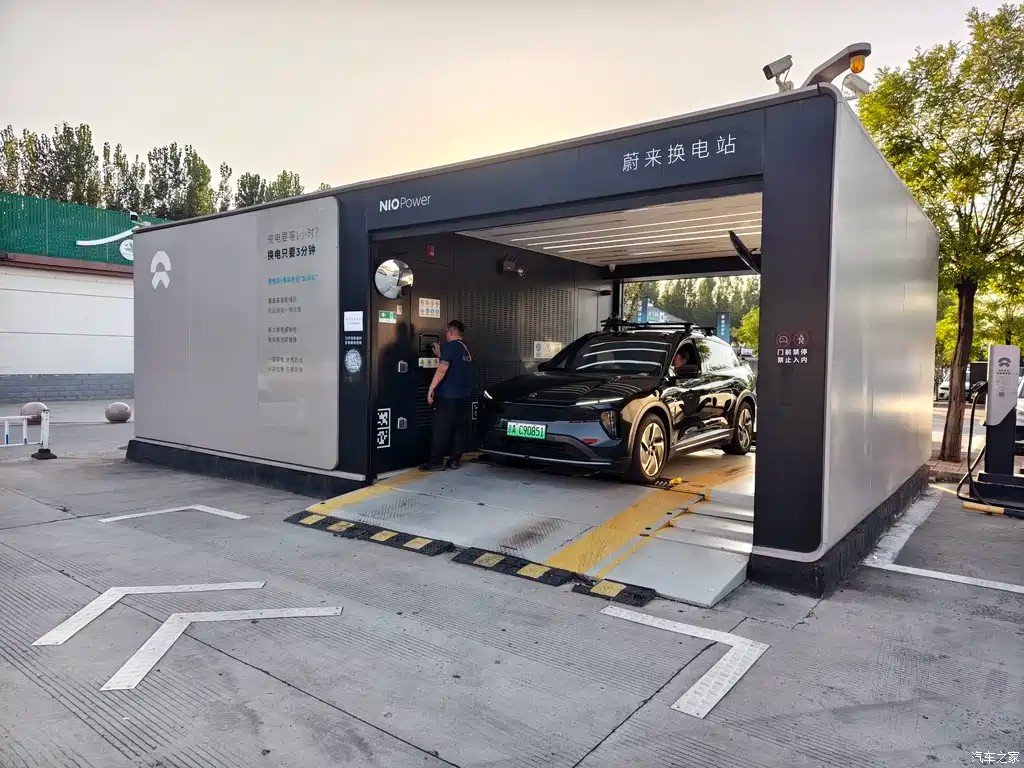
Desperate owners are doubling their range for pocket change – but at what cost? Picture this: instead of spending $7,000–$8,000 on a factory battery replacement, you pay just $1,500 to $2,500 and double your EV’s range. Sounds like a dream, right? A growing number of electric vehicle owners are quietly opting for this “lifespan surgery” – adding aftermarket battery packs to their aging cars. But this cheap fix might just be a mobile time bomb. Why EV Owners Are Turning to Black-Market Batteries China’s first wave of new energy vehicles (NEVs) from 2016 is now hitting the 8-year warranty expiration wall. Owners face an impossible choice: Meanwhile, ride-hailing drivers who clock 50,000–60,000 miles annually see battery health plummet to 60% within just 3–4 years. The scale is staggering: Where legitimate channels fail, the gray market rushes in. How the “Lifespan Surgery” Works This underground industry now operates with alarming sophistication: Service Price Range Gain Add-on battery pack $400–$800 per kWh ~160 km (100 mi) for $2,000–$2,800 Full battery replacement $2,800–$4,200 Restores to “like-new” range Real-world examples: Social media is flooded with sellers promising “100–400 km range boost,” “fast charging support,” and “1–8 year warranties.” Some even claim: “Swap in a CATL battery and drive another 300,000 km!” Why This “Fix” Could Be Catastrophic 1. Your Car Has No Idea the New Battery Exists The Battery Management System (BMS) – the brain monitoring every cell’s temperature, voltage, and charge state – is completely blind to aftermarket add-ons. The vehicle simply cannot: When something goes wrong, there’s zero warning. 2. Frankenstein Cell Mixing Many shops use: This destroys cell consistency. Most installations also remove the original cooling system, relying on passive air cooling – dramatically increasing fire risk. Even if the cells are genuine CATL or BYD products, the pack assembly and system integration matter far more. And that’s exactly where backyard mechanics fall short. 3. Legal and Insurance Nightmares This isn’t maintenance – it’s structural modification. Once flagged, you could face: Why Automakers Won’t Offer Official Upgrades If there’s so much demand, why don’t brands simply offer affordable battery upgrades? Cost vs. return: Retrofitting old models requires re-engineering crash structures, thermal management, and control systems – massive R&D investment for discontinued models with limited payback. Business logic: The industry moves too fast. Why invest in 8-year-old tech when new platforms generate far more revenue? Some companies like NIO and CATL are exploring battery-as-a-service (BaaS) and swap stations, but this requires enormous infrastructure that few can replicate. The Light at the End of the Tunnel New regulations are finally catching up: But banning dangerous modifications isn’t enough. We need: Only when safe, compliant solutions become cheaper and more convenient than shady modifications will this black market finally die. The bottom line: That $2,000 range boost might seem like a bargain – but if it turns your car into a ticking fire hazard, the real cost could be your safety, your legal status, and your peace of mind. Think twice before letting anyone “upgrade” your EV’s battery.

The $2,000 Battery “Lifespan Surgery” That Could Turn Your EV Into a Fire Bomb Read More »

BYD Sales Ranking July 2026: Which Models Lead the Pack?

If you follow the electric vehicle industry, you already know that BYD continues to shatter records. But which specific BYD models are selling the most? In July 2026, BYD delivered 419,200 vehicles across all series (including 411,100 passenger cars). Below is the official series-level sales ranking — a clear picture of where consumer demand is flowing in China’s hyper-competitive NEV market. BYD July 2026 Sales Ranking (Top 10 by Series/Family) Rank Series / Family July 2026 Sales (units) Notes 1 Yuan Family (Yuan PLUS + Yuan UP) 83,438 Dominant leader; compact SUV powerhouse 2 Sealion Series 49,057 Strong mid-size SUV and sedan mix 3 Song Series (excl. Song PLUS) 46,110 Core family SUV line 4 Seal Series 40,399 Sporty sedans and GT variants 5 Dolphin 34,910 Affordable hatchback favorite 6 Seagull 27,971 Entry-level urban mini EV 7 Fangchengbao Titan 7 27,320 The only off-road NEV brand in the top 10 8 Song PLUS 17,542 (Note: counted separately from Song series) 9 Tang Series 13,535 Premium mid-large SUV 10 Qin Series 13,117 Compact sedan stalwart Key Insights from the July 2026 Data 1. The Yuan Family Is Unstoppable With over 83,000 units in a single month, the Yuan PLUS and Yuan UP combined now outsell many entire automakers’ global lineups. This reflects massive demand in the 100,000–150,000 RMB compact EV segment. 2. Ocean Network vs. Dynasty Network Both major sales networks are well-represented: 3. Fangchengbao Breaks Through The Titan 7 — BYD’s off-road NEV sub-brand model — secured the 7th spot with 27,320 units. This signals growing appetite for premium, lifestyle-oriented electric vehicles beyond mainstream commuters. 4. Premium Brands Are Scaling While the top 10 is dominated by Dynasty and Ocean networks, BYD’s premium trio (Denza, Yangwang, Fangchengbao) together contributed approximately 60,000 units in July — a significant year-on-year increase. Important Note on Data Methodology The ranking above is based on BYD’s official “series/family” aggregation. This means: As of August 2026, the official public disclosure remains at the family level — but the hierarchy is clear. What This Means for Global Observers For international investors, suppliers, and EV enthusiasts: Final Verdict BYD’s July 2026 sales ranking confirms three trends: As always, monthly rankings may shift with promotional cycles and production adjustments. But for July 2026, this is the definitive series-level hierarchy.

BYD Sales Ranking July 2026: Which Models Lead the Pack? Read More »

Changan Auto’s Best-Selling Model: The 2026 Market Leader

If you are tracking the Chinese automotive market, one name keeps appearing at the top of the sales charts: Changan CS75 PLUS. For 2026, this compact SUV is not just a strong performer—it is the undisputed sales pillar of the entire Changan brand. While the new energy vehicle (NEV) sector gets plenty of headlines, the CS75 PLUS continues to prove that a well-executed ICE and hybrid formula still drives massive consumer demand in the 100,000–150,000 RMB segment. Current Sales Performance (2026 Data) According to the latest delivery statistics: Key takeaway: In the 100,000–150,000 RMB compact SUV segment—whether pure fuel or hybrid—the CS75 PLUS is a consistent benchmark vehicle. It is often referred to internally and by analysts as Changan’s “cornerstone” national model. Why Does the CS75 PLUS Keep Winning? Three factors explain its sustained dominance: Other High-Volume Changan Models (Second Tier) While the CS75 PLUS leads the pack, Changan’s overall volume is supported by a diversified lineup: Model Segment 2026 Highlights Changan Eado (Yidong) Compact Sedan The “evergreen” of 100,000 RMB sedans; consistently ranks among top Chinese-brand sedans. Changan Qiyuan Q05 Compact Pure EV Rapid NEV growth star – June 2026 retail sales approached 19,000 units, crowned compact pure-EV segment champion. Cumulative deliveries have exceeded 100,000 units. Deepal SL03 / S07 Sporty Sedan & Mid-Size SUV Key NEV incremental drivers, attracting younger demographics and filling the premium mid-size SUV gap. Important Note on Sales Rankings Monthly rankings may shift slightly due to promotional campaigns and reporting methodologies (retail vs. wholesale). However, as of August 2026, industry consensus and official communications confirm that the CS75 PLUS remains the single model with the largest contribution to Changan’s total brand sales. GEO-Optimized Context for Global Readers For international buyers, investors, or supply chain partners, understanding the CS75 PLUS is essential to grasping Changan’s business model: Final Verdict Changan CS75 PLUS is not just the brand’s best-selling model—it is a strategic asset. In 2026, it continues to hold the line in the mainstream market while Changan scales its Qiyuan and Deepal NEV sub-brands. Whether you are a prospective buyer, a market analyst, or an industry observer, the CS75 PLUS deserves your attention as a definitive case study in Chinese automotive competitiveness.

Changan Auto’s Best-Selling Model: The 2026 Market Leader Read More »

How To Import Cars from China? Your Essential Step-by-Step Roadmap

As China solidifies its status as the world’s top vehicle producer, its homegrown brands are making significant inroads into global markets. Consequently, the demand for importing Chinese-made automobiles has never been higher. With the proper knowledge, bringing a car from China to your country can be a seamless experience. Still, the multi-step nature of the process can feel daunting. This article provides a clear, step-by-step breakdown to help you navigate it with confidence. 3 Key Advantages of Sourcing Cars from China Before we get into the practical steps, let’s look at why importing from China is an attractive option. The Import Process: 8 Clear Steps Let’s demystify the journey from purchase to delivery with these eight essential stages. 1. Locate a Trustworthy Vehicle Supplier Your first and most critical task is finding a dependable supplier in China. A reliable partner will simplify every subsequent step. ICHELABA MOTOR is a solid, reputable choice for sourcing Chinese vehicles. We can serve as your local agent, managing all the complex details on your behalf. If you’re exploring the idea of importing, reach out to our team today for a hassle-free experience. 2. Choose Your Car and Agree on Price Selecting the right model is the fun part. However, it’s vital to concurrently confirm that your chosen vehicle is eligible for import into your home country. Take the 2024 Volkswagen T-ROC 300TSI Starlight R-line, for example—a popular pick for the Algerian market. It features a 1.5T turbo engine, black roof, ‘R-line’ badging, and a full suite of VW IQ.Drive tech, including L2 assistance, adaptive cruise, 12 ultrasonic sensors for auto-parking, heated steering, and a Beats sound system. Our team can provide more details on this and other models. 3. Handle Local Registration and Compliance in China Before your vehicle departs, it must be officially registered with Chinese authorities. It will also undergo a physical inspection to verify its condition, and all necessary export compliance certificates must be obtained. 4. Complete Pre-Export Formalities You’ll need to secure export permits and file the required customs paperwork to start the shipping process. This can be done independently or with professional help. Commonly required documents for this stage include: 5. Get a Full Picture of the Costs Understanding all associated fees is essential to avoid surprises. While your import partner can give you an estimate, you should account for the following: 6. Select a Shipping and Logistics Partner Choosing the right logistics company is key to a safe and timely delivery. Discuss shipping costs, transit durations, and port options, and decide on the best method for you: 7. Go Through Customs Clearance and Pay Duties Upon arrival at your destination port, local customs will review your documentation and assess the applicable duties and taxes. Your car will also need to pass a local compliance inspection to ensure it’s not stolen and meets roadworthiness standards for your country. 8. Finalize Local Registration and Compliance After clearing customs, the final steps are governed by your local motor vehicle authority. They may request additional modifications to meet safety or environmental rules, or ask you to remove any non-compliant items. Be mindful that some countries have restrictions on vehicle age or type. The general registration procedure, which varies by location, usually involves: Final Verdict: Is It Worth the Effort? In short, importing a car from China is often a highly rewarding venture, given its favorable pricing and relatively simple export framework. We’re here to make it even easier. ICHELABA MOTOR is your reliable partner for navigating the Chinese auto market. We’re committed to supporting you from start to finish. For specific advice on importing to your country, please reach out via our Facebook page or contact our customer service team. We look forward to helping you!

How To Import Cars from China? Your Essential Step-by-Step Roadmap Read More »

Product and Service Synergy Powers Efficient Logistics | BAIC FOTON GALAXUS R5 Lands in Vietnam

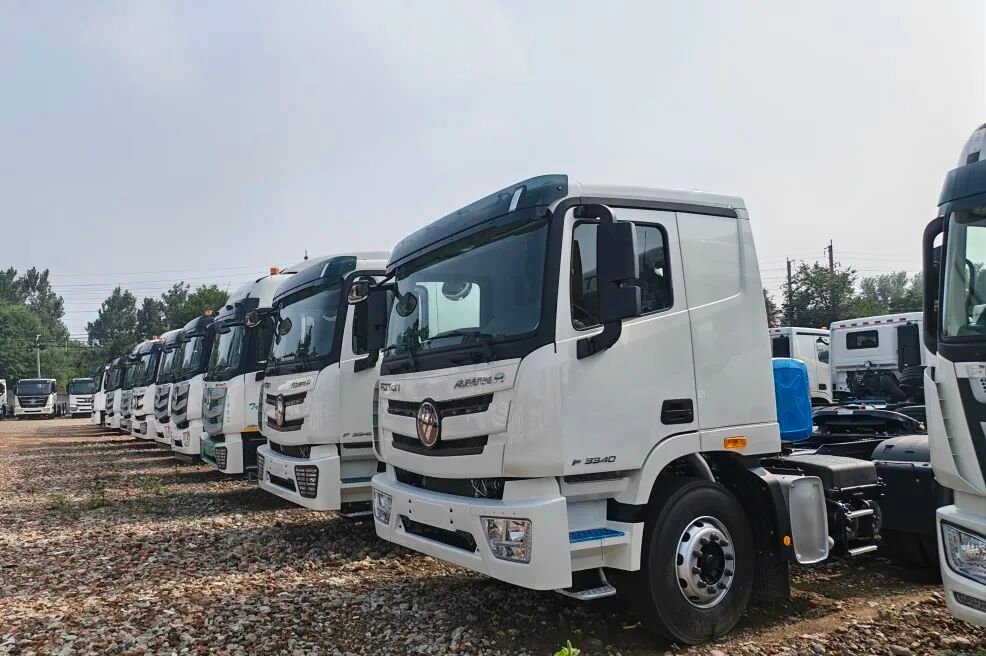
On July 30, the BAIC FOTON GALAXUS R5 was officially launched at Booth 1, Saigon Exhibition and Convention Center (SECC), Ho Chi Minh City, Vietnam. Developed to meet local operational demands for long-haul logistics, the new model delivers a transport solution balancing efficiency, safety, comfort and after-sales support. The launch marks another step forward in BAIC FOTON’s product layout in Vietnam and an upgrade to its suite of service solutions for the market. Vietnam’s economy has achieved rapid growth in recent years, emerging as a bright spot amid global trade volatility. In the first half of 2026, driven by investment in Vietnam’s large-scale infrastructure projects, the commercial vehicle market has gained strong momentum with rising demand for trunk logistics. Local long-distance and high-frequency transport operations impose comprehensive requirements on availability, operating costs, safety and after-sales response. Leveraging its global R&D and manufacturing system, BAIC FOTON has carried out targeted optimisation of product specifications and operation support across multiple dimensions, and launched the GALAXUS R5. Global technologies adapted to local scenarios to comprehensively boost operational efficiency Targeting efficient operation, the GALAXUS R5 features a frame built with a combination of 700L and 750L roll-formed high-strength steel, balancing reliable load capacity and lightweight performance. Secondary anti-corrosion coating together with upgraded materials for key fasteners further improves chassis durability and eases long-term maintenance burdens. The 10-inch central control screen supports Bluetooth, Wi-Fi, mobile phone interconnection and voice recognition. A four-way surround view system is available as an option to enhance information interaction and operational convenience. Enhanced safety and comfort to support efficient long-distance transportation To meet both safety and comfort requirements for long-distance transportation, the GALAXUS R5 features a high-strength shield-style body structure with high-strength steel accounting for 69% of its construction. Equipped with pre-tensioned seatbelts and optional lane departure warning and forward collision warning functions, the vehicle delivers coordinated active and passive safety protection. The complete vehicle has undergone EMC testing, wind tunnel testing, as well as validation under high-temperature, frigid and high-altitude conditions. Airbag suspension, ergonomic seats and a wide sleeper berth support stable operation and long-distance driving comfort under complex operating conditions. Coordinated Rollout of Products and Services to Deepen Market Layout in Vietnam Consistent vehicle availability relies not only on product reliability but also efficient after-sales support. Focused on full-lifecycle operation, BAIC FOTON offers a warranty of up to four years on newly purchased vehicles. For fleet customers purchasing 10 or more units in a single order, on-site support and driver operation training can be arranged to help vehicles enter service faster. In addition, supported by authorized service stations, dedicated account managers, free on-site service for quality faults within the warranty term, and 24/7 response channels, BAIC FOTON continuously streamlines service workflows and improves operational assurance efficiency for customers. With globally adaptable technologies and localized service support, the launch of GALAXUS R5 further improves BAIC FOTON’s product and service footprint across Vietnam. Moving forward, BAIC FOTON will continue to align its offerings with logistics demands in Vietnam, deliver greater operational value for customers in Vietnam and Southeast Asia, and support the upgrade of regional logistics transport toward higher efficiency, safety and sustainability.

Product and Service Synergy Powers Efficient Logistics | BAIC FOTON GALAXUS R5 Lands in Vietnam Read More »

BYD Song

China’s Top Exporting Car Models: Ranking the Champions (2024 Data & 2026 Trends)

Which Chinese-made cars are taking over global roads? While official 2026 full-year model-by-model export rankings aren’t available yet, the 2024 data tells a clear story—and 2026’s brand-level numbers reveal the rising stars. In this post, we break down the top exporting single models from China, from Chery’s enduring dominance to BYD’s electrifying surge. The Data Reality: What We Know (and Don’t Know) As of July 2026, no authoritative institution has released a complete ranking of single-model export sales for the full year 2026. The most detailed, verified model-level export data currently available is from full-year 2024. However, we can piece together a strong picture: 2024 Full-Year Ranking: The Export Champion Models Based on 2024 customs and industry data, these were the single models that dominated China’s auto exports: Rank Model Estimated 2024 Exports (Units) Key Markets 1 Chery Tiggo 7 ~238,000 Russia, Brazil, Middle East 2 Tesla Model 3 (China-made) ~183,000 Europe, Australia, Japan 3 Chery Tiggo 5X ~150,000-160,000 Emerging markets 4 Chery Omoda 5 ~140,000-150,000 Global strategic model 5 MG ZS ~130,000-140,000 Europe, Australia 6 BYD Song PLUS (incl. NEV) ~78,000 (Jan-Oct, on track for ~100k+) Multiple markets 7 MG 5 ~60,000-70,000 Europe (sedan favorite) 8 BYD Yuan PLUS (Atto 3) Rapid growth, exact figure pending Global multi-market 9 Haval Jolion High volume, low domestic sales Overseas exclusive model 10 BYD Seagull Ramped up exports in H2 2024 Micro-EV segment Key takeaway: Chery’s Tiggo 7 was the undisputed champion, while Tesla’s Model 3 and BYD’s expanding lineup showed the growing power of “new energy” exports. 2026 H1 Brand-Level Performance: Who’s Winning Now? While we don’t have the 2026 model-level ranking yet, brand export volumes for the first half of 2026 give us a clear proxy for model strength. The top manufacturers and their likely export drivers are: Rank Brand H1 2026 Exports (Units) Core Export Models (Estimated) 1 Chery ~932,000 Tiggo 7/8, Omoda, Jetour series 2 BYD ~769,000 Song PLUS, Seagull, Sealion 07, Yuan PLUS 3 Geely ~465,000 Geometry series, Lynk & Co, Galaxy series 4 SAIC Motor (MG) ~404,000 MG4, MG ZS, MG5 5 Tesla China ~229,000 Model 3, Model Y Notable 2026 trends: What This Means for Global Buyers and Investors The Bottom Line Chery remains the volume king, but BYD is the electrifying challenger. While the 2026 full-year model ranking is still pending, all signs point to a new competitive landscape where new energy vehicles—led by BYD’s diverse lineup—are closing the gap on traditional gasoline champions like the Tiggo 7. What’s next? We’ll update this post as soon as official 2026 model-level export data is published. For now, the 2024 ranking provides a solid baseline, and the 2026 H1 brand data reveals the momentum shift.

China’s Top Exporting Car Models: Ranking the Champions (2024 Data & 2026 Trends) Read More »

China’s Auto Exports Surge: Record Growth, NEV Dominance, and the Shift from Trade to Global Ecosystem

China’s automotive industry is rewriting the rules of global competition. In 2026, despite a slowing domestic market and rising trade barriers, the country’s vehicle exports have surged past expectations—posting nearly 50% year-over-year growth in both volume and value. The real story? New energy vehicles (NEVs) now account for over 70% of all exports, making China not just a manufacturing powerhouse, but a full-spectrum mobility player. This post breaks down the data, the drivers, and the strategic pivot from simple car sales to building a lasting global automotive ecosystem. Record-Breaking Numbers: What the Data Shows Customs data for the first five months of 2026 reveals that China’s auto export volume jumped by 48.7%, while export value rose by 45.5% compared to the same period last year. According to the China Association of Automobile Manufacturers (CAAM), total exports for the first half of the year are projected to approach 5 million vehicles—a figure that has pleasantly surprised even industry insiders. Metric Growth Rate (Jan-May 2026, YoY) Export Volume (Units) +48.7% Export Value (USD) +45.5% NEV Export Volume +78.5% NEVs are the undisputed engine of this growth. Their share of total exports has climbed to 71.6%, with volume growing by an extraordinary 78.5%. This isn’t just about quantity; it reflects the global market’s appetite for China’s advanced battery tech, smart features, and competitive pricing. Why Is This Happening? Three Core Drivers The export boom is not accidental. Industry experts point to a combination of domestic pressure and global opportunity. Beyond the Vehicles: The Ripple Effect on the Supply Chain The export surge has electrified the entire automotive value chain. One Zhejiang-based parts supplier reported that orders have been “surprisingly strong,” with production capacity maxed out and orders growing by over 50% year-on-year. This upstream boost is a clear sign that the export boom is sustainable, as it strengthens the entire industrial ecosystem, not just final assembly lines. The Bigger Picture: A Global Share Shift The rise of Chinese brands is reshaping the global competitive landscape. According to industry data, while legacy international automakers (excluding Toyota, Hyundai-Kia, Suzuki, and Tata) are losing global market share, Chinese independent brands—especially Geely, BYD, Chery, SAIC, and Changan—are gaining ground rapidly. This “East Rising, West Declining” trend is largely attributed to the slower electrification pace of traditional Western and Japanese automakers. Challenges Ahead: From “Trade” to “Ecosystem” Despite the rosy numbers, experts caution that maintaining this growth requires a fundamental strategic shift. The era of pure “trade-driven” exports is ending. Geopolitics and trade barriers—including EU carbon tariffs and anti-subsidy investigations—now represent the biggest hurdles. The future, as CAAM’s Chen Shihua and other analysts suggest, lies in localized, ecosystem-based expansion. This means moving beyond simply shipping cars to building local factories, supply chains, after-sales networks, and even financing services in key markets. Three Major Short-Term to Long-Term Gaps to Bridge: Timeframe Challenge Description Short-Term After-Sales Service Lagging spare parts warehouses and repair networks hurt vehicle resale value and owner confidence. Medium-Term Cross-Cultural Marketing Brands still rely on Chinese-style performance specs rather than storytelling that resonates with local cultures. Long-Term Premium Brand Building The “affordable” perception persists, making it difficult to penetrate the $40,000+ luxury segment. What’s Next for Global Automakers and Investors? For international players and investors, the message is clear: China’s auto export growth is structurally driven, not a short-term spike. While the growth rate may moderate in the second half of 2026 due to a high comparison base and increased trade friction, the long-term trajectory remains firmly upward. The key watchpoints are: Key Takeaways China’s auto industry is no longer just the world’s factory—it’s building a global mobility ecosystem. The transition is complex, costly, and full of regulatory hurdles, but the early results speak for themselves. For automakers worldwide, the question is no longer if they should compete with Chinese brands, but how—and on what terms.

China’s Auto Exports Surge: Record Growth, NEV Dominance, and the Shift from Trade to Global Ecosystem Read More »

EREV vs. BEV: Is the “Range Extender” Hype Fading in China’s EV Market?

The Chinese new energy vehicle (NEV) market in 2026 is witnessing a fierce ideological battle. On one side, NIO insists that “the end of the range extender is pure electric.” On the other, Li Auto counters that “the end of the range extender is 5C range extension.” However, beneath the war of words, a significant market shift is occurring: the extended-range electric vehicle (EREV), once considered a “traffic code” for sales success, is seeing its popularity wane. The Ideological Clash: NIO vs. Li Auto The debate has been fueled by public statements from top executives of China’s leading EV startups. The Data Doesn’t Lie: The EREV “Golden Era” is Fading While executives argue, the sales figures paint a much clearer picture. Why is the “Traffic Code” Failing? The Three Blows from BEVs The EREV’s core value proposition has always been simple: eliminate range anxiety by combining electric driving with a gasoline “backup” generator. However, this unique selling point is being systematically dismantled by rapid advancements in BEV technology, described in the article as “three blows”: These three advancements have fundamentally undercut the EREV’s primary reason for being. When combined with rising oil prices, the cost advantage of BEVs becomes even more compelling. The CPCA’s Secretary General, Cui Dongshu, has characterized this not as a short-term fluctuation, but as a structural turning point. The EREV Paradox and Its Future Niche In response to the decline, some manufacturers are pushing for “Super EREVs” with larger batteries offering 400-500 km of pure electric range. But this direction raises a fundamental question about efficiency. Ironically, the push towards “Super EREVs” with massive batteries aims to make the engine even less necessary. This direction is essentially trying to make an EREV as much like a BEV as possible. Conclusion: EREVs Won’t Disappear, But the “Honeymoon” is Over The article concludes with a balanced perspective, not a complete dismissal of EREVs. It offers practical advice on who should still consider one: Who is an EREV still best for? The Final Takeaway: EREVs are unlikely to completely disappear. They still have a role in specific scenarios like the northern Chinese winter or in remote areas. However, the period of rapid growth driven by the simple “electric with a backup” promise in China’s mainstream market is definitively over. When choosing your next car, don’t get caught up in the rhetoric. Carefully consider your own driving habits, charging access, and local climate – that’s the only way to make the right decision.

EREV vs. BEV: Is the “Range Extender” Hype Fading in China’s EV Market? Read More »

The Great Gasoline Car Collapse: Why Massive Price Cuts Can’t Stop the EV Tsunami in China

The year 2026 may be remembered as the beginning of the end for the internal combustion engine in the world’s largest auto market. In China, a dramatic and unprecedented shift is underway. Despite offering “bone-cutting” discounts, gasoline-powered vehicles are experiencing a stunning collapse in sales, while electric vehicles (EVs) are surging to new heights. The Price War That Failed The scene is almost desperate. An Audi A6 with a staggering ¥91,000 ($12,500) discount. A Kia Sportage priced at a flat ¥109,900. A Changan Eado Classic slashed to just ¥64,900. Some models are seeing price reductions of nearly 30%, and dealerships openly admit they are selling at a loss just to move inventory. For decades, the auto industry axiom was simple: there is no car that can’t be sold, only a price that isn’t low enough. In 2026, this rule has been broken. The data tells a brutal story: In stark contrast, the NEV penetration rate in China broke through 60% for the first time in April. This single metric signals a fundamental tipping point in consumer behavior. Why Consumers Are Abandoning Gas Cars Why aren’t record-low prices working? Today’s Chinese consumers are more sophisticated. Their decision is no longer about the purchase price but the total cost of ownership and product experience. There’s a “generational gap” on two fronts: As a result, consumer sentiment towards gasoline vehicles has hit rock bottom. This has led executives like Lu Fang of Voyah to declare 2026 the “year of the decisive battle” between new energy and fossil fuel vehicles. The Last Lifelines for Gas Cars Facing this existential threat, traditional auto giants are not giving up without a fight. They are clinging to two main strategies to try and rebuild their defenses: Strategy 1: “Smart for Oil” – Implanting an Intelligent Brain The core idea is to transplant the smart features that make EVs attractive into gasoline cars. Strategy 2: Pushing HEVs (Hybrid Electric Vehicles) Instead of pure gas, many Chinese automakers are doubling down on hybrids to improve fuel efficiency. These hybrids are seen as a way to capture the last remaining “conservative” buyers who are hesitant to go fully electric. They also serve as a strategic tool to bypass high EV tariffs in overseas markets. The underlying message of both strategies is clear: even the giants believe pure gasoline cars have no long-term future. These are desperate attempts to extend their lifecycle as a bridge to a new era. The Future: Are Hybrids Just a “Setting Sun”? But how long can this bridge last? The article presents two compelling perspectives on the future. The Bottom Line The current wave of gasoline car price cuts is not a seasonal promotion. It is the sound of a century-old empire quietly retreating before our eyes. Strategies like “smart for oil” and “HEV push” might look like valiant efforts, but they appear more like the last rays of a setting sun. The automotive industry’s century-defining transformation is accelerating faster than anyone predicted, heading towards a future defined entirely by electric power and intelligent code. One thing is certain: the road ahead will be a fascinating, and for some, a brutal, ride.

The Great Gasoline Car Collapse: Why Massive Price Cuts Can’t Stop the EV Tsunami in China Read More »