Desperate owners are doubling their range for pocket change – but at what cost?
Picture this: instead of spending $7,000–$8,000 on a factory battery replacement, you pay just $1,500 to $2,500 and double your EV’s range. Sounds like a dream, right?
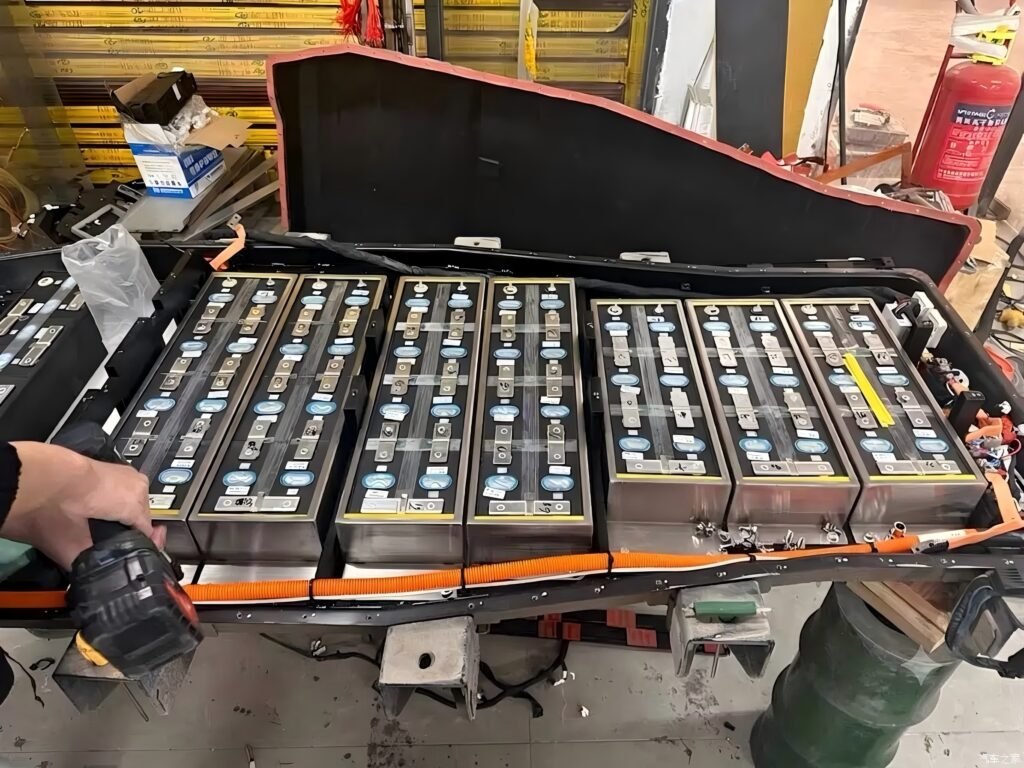
A growing number of electric vehicle owners are quietly opting for this “lifespan surgery” – adding aftermarket battery packs to their aging cars. But this cheap fix might just be a mobile time bomb.
Why EV Owners Are Turning to Black-Market Batteries
China’s first wave of new energy vehicles (NEVs) from 2016 is now hitting the 8-year warranty expiration wall. Owners face an impossible choice:
- Trade it in? Residual values are pitifully low.
- Replace the battery? Costs can exceed the car’s worth.
- Keep driving? Range has been cut in half.
Meanwhile, ride-hailing drivers who clock 50,000–60,000 miles annually see battery health plummet to 60% within just 3–4 years.
The scale is staggering:
- By 2028: 980,000 NEVs will be out of warranty
- By 2032: That number skyrockets to 7.2 million
- Future cost burden: Over $140 billion in potential battery replacement costs
Where legitimate channels fail, the gray market rushes in.
How the “Lifespan Surgery” Works
This underground industry now operates with alarming sophistication:
| Service | Price | Range Gain |
|---|---|---|
| Add-on battery pack | $400–$800 per kWh | ~160 km (100 mi) for $2,000–$2,800 |
| Full battery replacement | $2,800–$4,200 | Restores to “like-new” range |
Real-world examples:
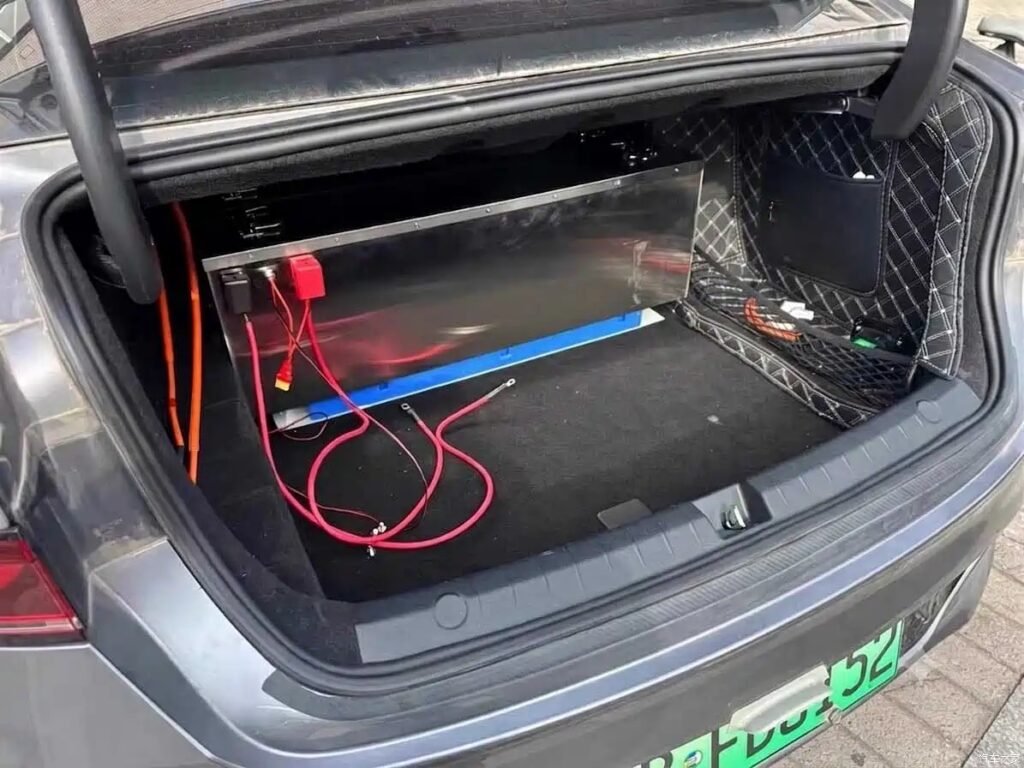
- A 2015 BYD Tang gained 227 km (141 mi) of pure EV range with a 50.6 kWh add-on pack
- A Wuling Sunshine doubled from 201 km to 402 km (125–250 mi)
- A BYD Seagull reportedly broke the 500 km (310 mi) barrier
Social media is flooded with sellers promising “100–400 km range boost,” “fast charging support,” and “1–8 year warranties.” Some even claim: “Swap in a CATL battery and drive another 300,000 km!”
Why This “Fix” Could Be Catastrophic
1. Your Car Has No Idea the New Battery Exists
The Battery Management System (BMS) – the brain monitoring every cell’s temperature, voltage, and charge state – is completely blind to aftermarket add-ons.
The vehicle simply cannot:
- Detect abnormal temperatures
- Sync charging speeds between old and new packs
- Identify failing cells
When something goes wrong, there’s zero warning.
2. Frankenstein Cell Mixing
Many shops use:
- A mix of new and recycled cells
- Different batches with inconsistent degradation levels
- Consumer-grade batteries never meant for automotive use
This destroys cell consistency. Most installations also remove the original cooling system, relying on passive air cooling – dramatically increasing fire risk.
Even if the cells are genuine CATL or BYD products, the pack assembly and system integration matter far more. And that’s exactly where backyard mechanics fall short.
3. Legal and Insurance Nightmares
This isn’t maintenance – it’s structural modification. Once flagged, you could face:
- Fines for illegal vehicle modification
- Failed safety inspections
- Voided insurance coverage
- Being barred from roads entirely
Why Automakers Won’t Offer Official Upgrades
If there’s so much demand, why don’t brands simply offer affordable battery upgrades?
Cost vs. return: Retrofitting old models requires re-engineering crash structures, thermal management, and control systems – massive R&D investment for discontinued models with limited payback.
Business logic: The industry moves too fast. Why invest in 8-year-old tech when new platforms generate far more revenue?
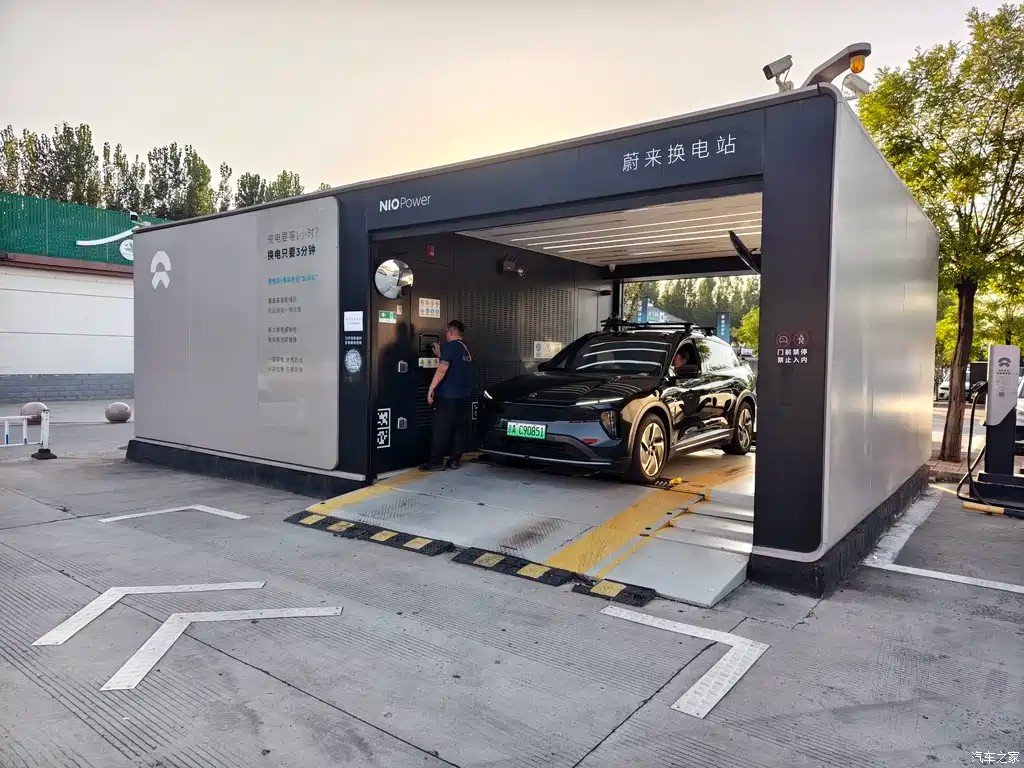
Some companies like NIO and CATL are exploring battery-as-a-service (BaaS) and swap stations, but this requires enormous infrastructure that few can replicate.
The Light at the End of the Tunnel
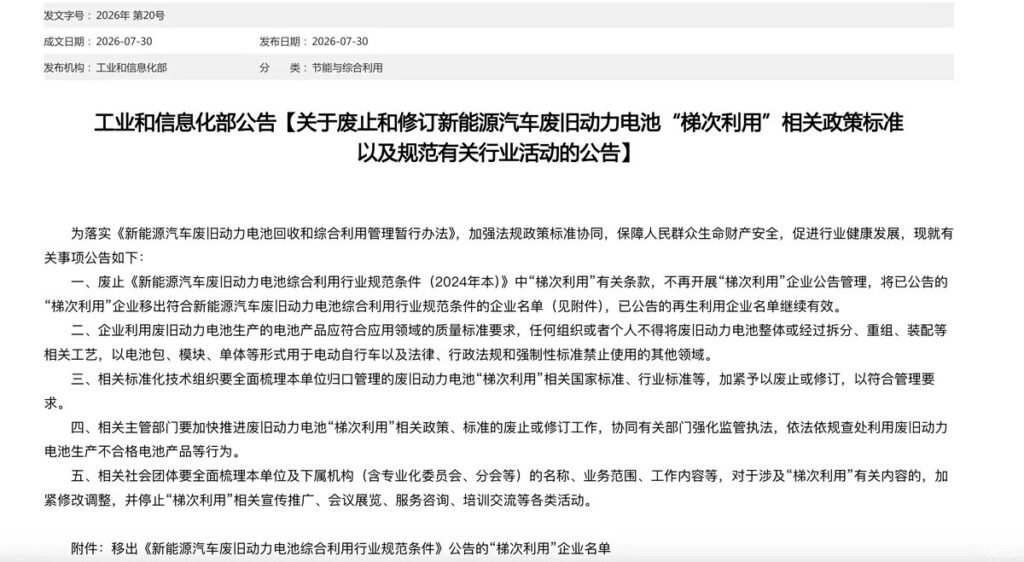
New regulations are finally catching up:
- Nov 2025: Mandatory battery coding for full lifecycle traceability
- Apr 2026: Automakers must share battery tech info with certified third-party repair shops
- Jul 2026: Government bans substandard second-life battery reuse
But banning dangerous modifications isn’t enough. We need:
- Affordable third-party repair ecosystems
- Cell-level servicing and module replacement
- Official battery refurbishment programs
Only when safe, compliant solutions become cheaper and more convenient than shady modifications will this black market finally die.
The bottom line: That $2,000 range boost might seem like a bargain – but if it turns your car into a ticking fire hazard, the real cost could be your safety, your legal status, and your peace of mind.
Think twice before letting anyone “upgrade” your EV’s battery.