Blog

Your blog category

BYD Dolphin G DM-i Officially Revealed: 1,000 km Range PHEV Hatchback Debuts in Europe This June

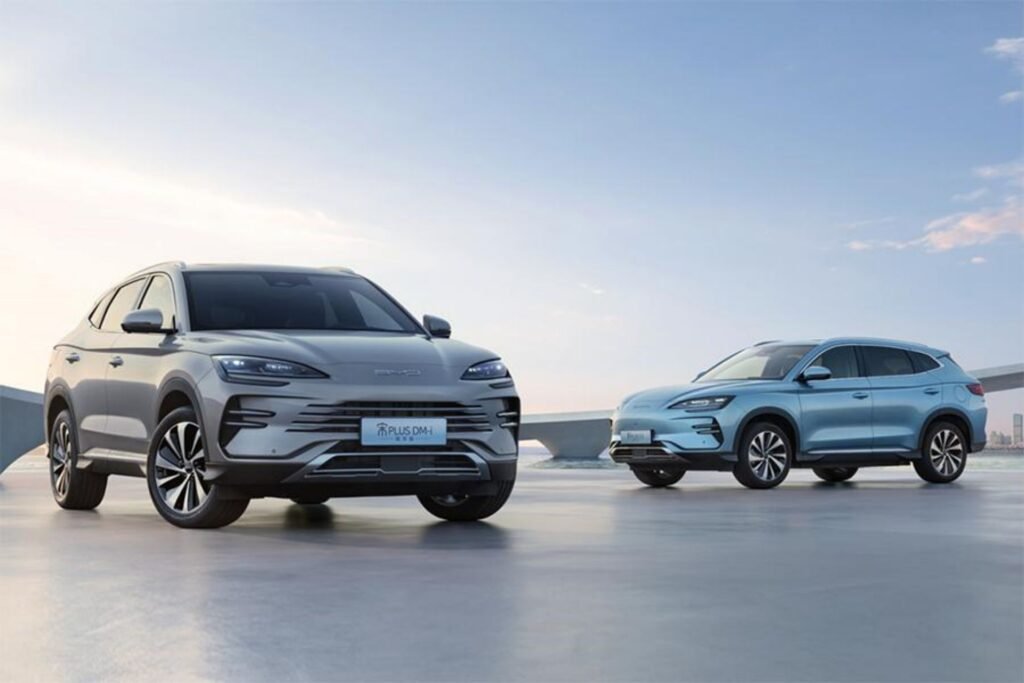
Dateline: BYD has just dropped the official images of its latest European-focused model – the BYD Dolphin G DM-i. Designed from the ground up for European tastes, this plug-in hybrid hatchback promises a staggering 1,000 km of combined range and is set to launch in June 2026, with deliveries beginning in the fall. Here is everything we know so far about BYD’s newest contender in the old continent. Exterior: A European-Inspired Hot Hatch The Dolphin G DM-i breaks away from the standard Dolphin’s design language. BYD has clearly listened to European preferences, opting for a sleek, two-box hatchback shape that rivals local favorites like the Volkswagen Golf or Renault Mégane. Powertrain: DM-i Magic with 1,000 km Reach BYD has not released full technical specifications yet (stay tuned for the June debut), but the headline figure is already turning heads: A combined range of 1,000 km (over 620 miles). This is achieved using BYD’s renowned DM-i (Dual Mode – Intelligent) plug-in hybrid technology. While the exact battery capacity and fuel economy figures are under wraps, the DM-i system typically pairs a fuel-efficient engine with a large-capacity battery and an electric motor that handles most low- to mid-speed driving. This makes the Dolphin G DM-i a perfect solution for European drivers who want zero-emission city commutes but need the freedom to travel across borders without range anxiety. Why “G”? Why Europe? The “G” in Dolphin G DM-i likely stands for “Global” or “Germany” (as a nod to its target market). BYD is betting big on Europe, and this model addresses two key local demands: Launch Timeline Final Thoughts The BYD Dolphin G DM-i is not just another car; it is a strategic arrow aimed at the heart of the European automotive market. By combining a popular body style, a shorter/wider stance for better handling, and a class-leading 1,000 km range, BYD is signaling that it understands European drivers better than many skeptics expected. If the pricing is competitive, the Volkswagen Golf and Toyota Corolla may finally have a worthy Chinese rival to worry about.

BYD Dolphin G DM-i Officially Revealed: 1,000 km Range PHEV Hatchback Debuts in Europe This June Read More »

Big News! XPeng Acquires Overseas Car Factory! Key Move in Overseas Expansion

On May 22, it was reported that XPeng Group completed the acquisition of a 90.1% stake in PT Era Industri Otomotif (EIDO), the core electric vehicle manufacturing entity of Indonesian listed company PT Sinar Eka Selaras Tbk (Erajaya Active Lifestyle, ERAL). This marks a new phase in XPeng Group’s expansion in the Southeast Asian market. ▲ XPeng Acquires Stake in Indonesian Car Factory The transaction officially took effect on May 13, involving 154,072 shares. Following the transaction, XPeng Motors became the controlling shareholder of EIDO, holding 90.1% of the shares, while the original shareholder, Erajaya Active Lifestyle (ERAL), retained the remaining 9.9%. ERAL’s company secretary, Badar Teguh Mancik Alam, stated that the change in ownership has no material impact on the company’s financial condition or daily operations. The core asset in this equity transaction is EIDO’s manufacturing business, specifically its electric vehicle production and assembly plant located in Prakata, West Java, Indonesia. ▲XPeng Model Production WorkshopThis plant is XPeng Motors’ first overseas production base, employing a CKD (Completely Knocked Down) assembly model. Since XPeng Group entered the Indonesian market in March 2025, this plant has been manufacturing for XPeng, with the first XPeng model to roll off the production line being the XPeng X9. ▲XPeng X9 Following this acquisition, XPeng’s distribution, retail, and after-sales service in Indonesia will still be operated by two other subsidiaries of ERAL—PT Era Inovasi Otomotif (EIVO) and PT Era Dealer Otomotif (EDOO). In summary, through this acquisition, XPeng further strengthens its dominance in the Indonesian manufacturing market.

Big News! XPeng Acquires Overseas Car Factory! Key Move in Overseas Expansion Read More »

Chinese Car Exports 2026: Global Oil Crisis Fuels a Historic Surge

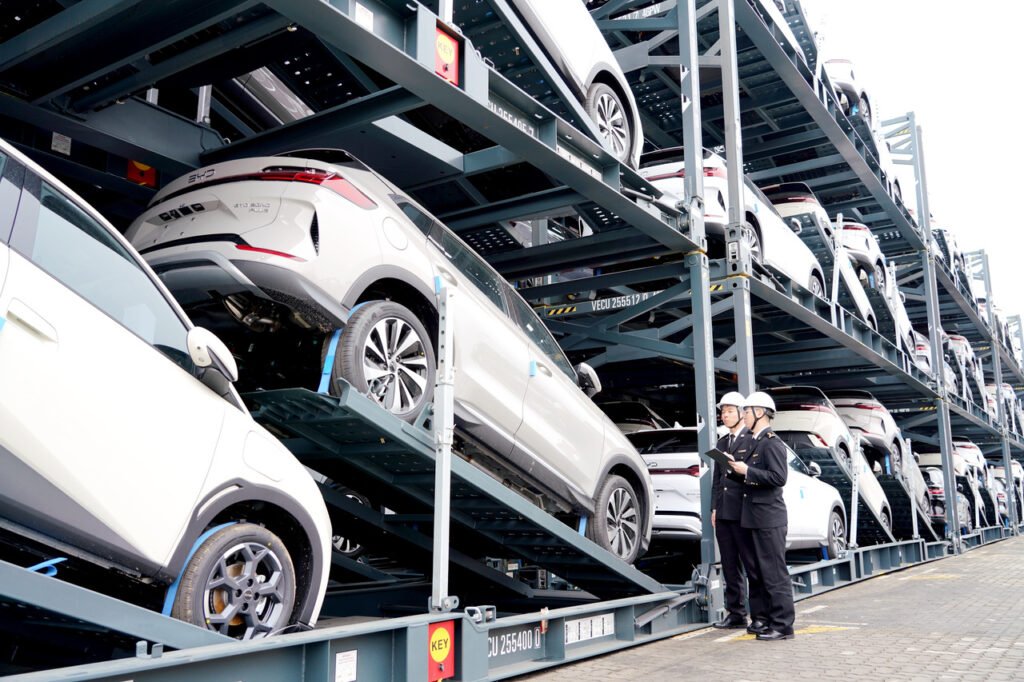
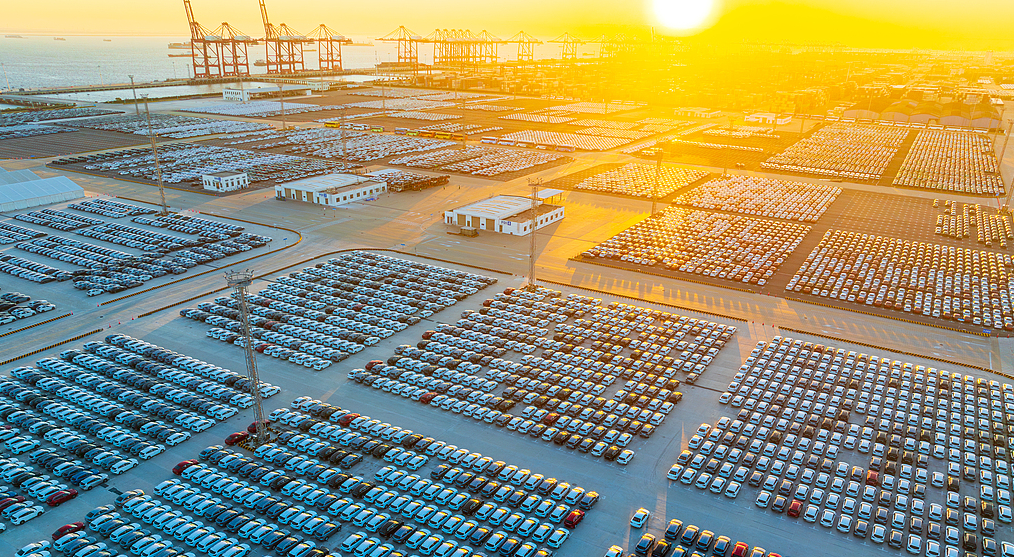
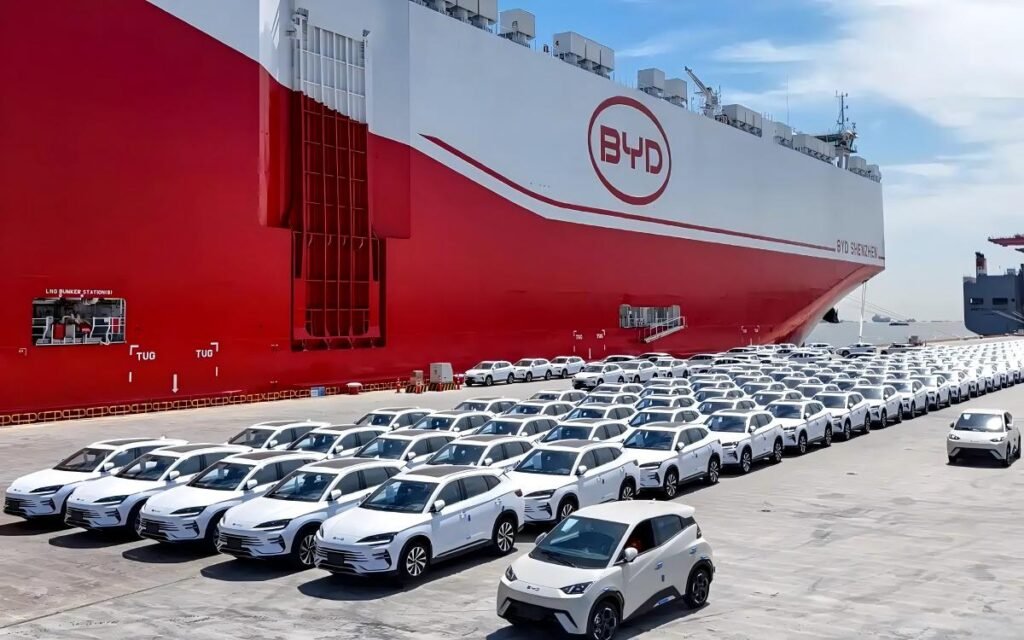
Dateline: The global auto industry just witnessed a seismic shift. In April 2026, Chinese automakers didn’t just grow—they exploded onto the world stage. With oil prices spiking and Western markets scrambling for affordable EVs, China’s export machine hit a new record. But is this a temporary lucky streak, or the start of a permanent realignment? Let’s dive into the numbers, the drivers, and the road ahead. The Scoreboard: Who’s Winning the Export Race? April 2026 was a month of broken records. Here is how the major players performed: What Are They Selling? (It’s not just EVs) While the headlines focus on batteries, the reality is a “twin-engine” drive: Why April 2026? The Three Engines of Growth So why did this happen now? It’s a perfect storm of three factors: 1. The Oil Price Shock (The Trigger)Since March, escalating tensions in the Middle East (Strait of Hormuz disruptions) have sent crude oil from 60tonearly∗∗60tonearly∗∗120 per barrel**. Suddenly, filling a gas tank is a luxury. This is driving a “fuel-to-electric” switch in price-sensitive markets faster than anyone predicted. 2. The Tech Advantage (The Backbone)Even without high oil prices, Chinese EVs are simply better value. Western markets are waking up to the fact that China has a 2-3 year lead in battery range, smart cockpits, and autonomous driving features—all at a lower price point thanks to a hyper-efficient supply chain. 3. Mature Distribution (The Harvest)This didn’t happen overnight. Chery spent 20 years building relationships in Africa and the Middle East. BYD has been opening flagship stores in Southeast Asia and Latin America for years. Those long-term bets are finally paying off. Can the Growth Last? (Challenges & Opportunities) The Bull Case (Optimism):CITIC Securities predicts that if the Strait of Hormuz remains blocked, oil stays high, making Chinese hybrids (PHEVs) and EVs the most logical purchase globally. The China Association of Automobile Manufacturers (CAAM) expects 7.4 million exports in 2026, with some analysts betting on 8 million. The Bear Case (Risks):The road is bumpy. Tariffs are coming. Western nations and trading blocs are scrambling to protect local manufacturers. However, there is good news: the recent “EV price commitment” deal with the EU has “soft-landed,” providing a clearer path for Chinese brands like MG and BYD to enter Europe without punitive tariffs. The Final Word April 2026 wasn’t an accident. It is the moment geopolitics met industrial policy. High oil prices opened the door, but technology and cost-efficiency kept it open. Chinese automakers have transformed from “cheap copycats” into global supply chain masters. As one industry expert put it: “Without long-term cultivation, supply chain maturity, and breakthroughs in batteries and AI, they wouldn’t have been able to catch this wave.” The global auto order is being rewritten. Whether the destination is 7 million or 8 million exports in 2026, one thing is clear: China is no longer just the world’s factory for cars—it’s the world’s showroom.

Chinese Car Exports 2026: Global Oil Crisis Fuels a Historic Surge Read More »

FOTON TUNLAND V Lands in Peru, Expanding Local Product Lineup

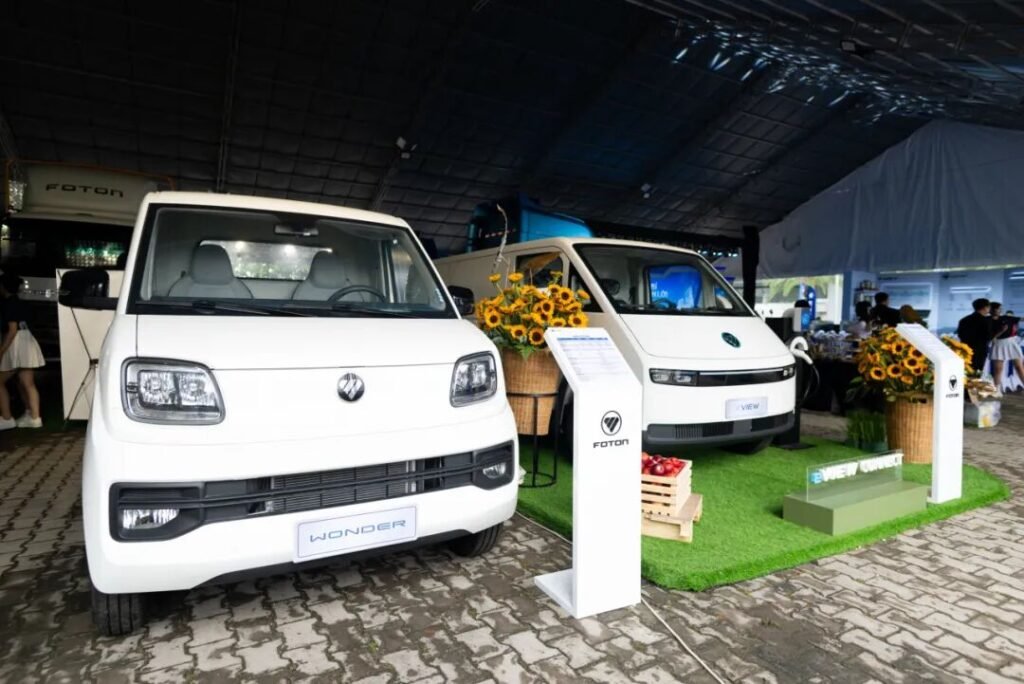
Recently, FOTON Peru held an official launch event for the new TUNLAND V pickup truck together with its key dealers. Major industry clients, leading financial institutions and representatives from 50 mainstream media outlets attended the ceremony, witnessing FOTON pickup’s new milestone in the Peruvian market. FOTON has cultivated the Peruvian market for years, centering its operations on local adaptation. It collaborates with key local partners to accurately identify consumers’ demand for practical, durable and cost-effective vehicles. The brand keeps optimizing its product lineup and enriching market offerings. The newly launched FOTON TUNLAND V pickup balances off-road capability, cargo capacity and riding comfort. Suited for urban and rural commuting, field operations, commercial transportation and other diverse scenarios, it has drawn widespread market attention since its debut, driving steady growth of brand sales. Beyond the impressive launch of the TUNLAND V, FOTON Peru team, together with local dealers, successfully rolled out and promoted multiple flagship new models including VIEW and VIEW GRAND for the local market. The product lineup covers pickup trucks and multi-purpose passenger vehicles, catering to family travel, daily commercial commuting, off-road leisure and other segmented scenarios. It effectively fills market gaps and forms distinctive competitive edges. Supported by comprehensive dealership networks, thoughtful localized after-sales services and refined market operation strategies, the new models have gained steady market traction. From January to April 2026, local retail sales rose by 104% year-on-year. The robust growth reflects strong market recognition of FOTON vehicles. Faced with Peru’s complex market landscape and fierce industrial competition, FOTON will continue to prioritize customer needs, optimize sales and service procedures, expand market reach at grassroots levels and boost brand visibility. By delivering quality products and professional services, we aim to gain trust from local consumers and steadily expand the presence of FOTON passenger vehicles in Peru.

FOTON TUNLAND V Lands in Peru, Expanding Local Product Lineup Read More »

Oil Prices Are Soaring. Does That Mean Chinese EVs Will Conquer the World?

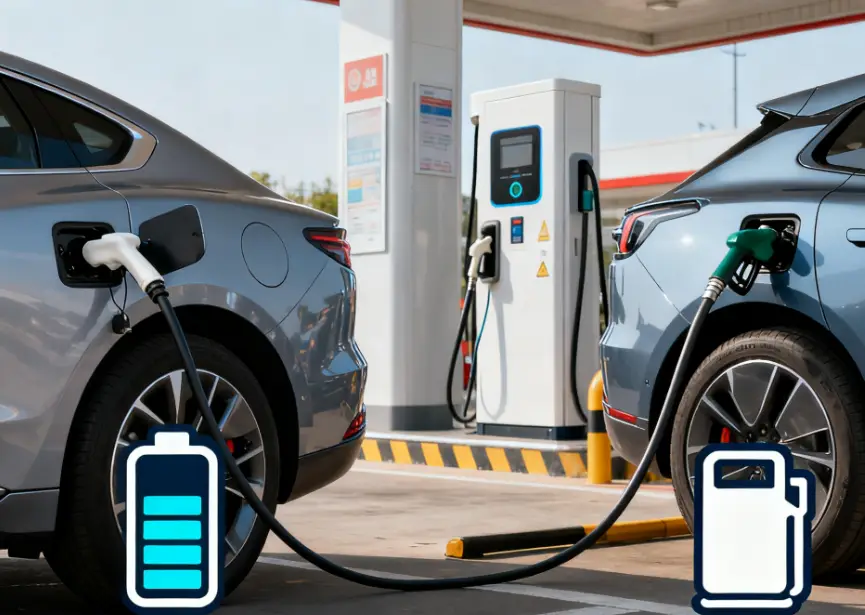
With crude oil prices exploding, overseas consumers are feeling the pain first. For those who don’t see prices coming down anytime soon, electric vehicles – especially used ones – have suddenly become a hot commodity. Consider this: after the latest oil price spike, BYD’s ad traffic in the UK jumped 77%. Even more striking, searches for used BYDs surged 375% (Source: Financial Times). Chinese EVs, particularly second-hand models, are winning on price and low running costs. This naturally raises a historic question: 50 years ago, an oil shock helped Japanese fuel-efficient cars break into global markets. Could this crisis be the golden opportunity for Chinese EVs to go global? Why Chinese EVs Are Winning Overseas – For NowTwo major factors are driving this wave: China is too competitive for most foreign brands. The U.S. – once a stronghold – just eliminated the $7,500 EV tax credit under the Inflation Reduction Act, chilling demand. Europe imposed minimum prices and a 10% tariff on Chinese EVs to protect local makers. With weak prospects, legacy automakers are reluctant to invest heavily in EVs. So, Is Global Success Guaranteed?Not so fast. While the search interest is real, consumers are cautious. A car is a high-cost durable good. Would you switch to an EV just because of a short-term price spike? Most people will wait six to twelve months to see if high oil prices persist. Furthermore, high oil prices raise the cost of living. If incomes don’t keep pace, consumers may delay big purchases like cars or refrigerators. Morgan Stanley data suggests that higher oil prices may actually reduce car-buying intent in the short term. Most importantly, the Japanese automakers succeeded by replacing big gas engines with smaller ones – using the same fuel infrastructure. China’s path is different: replacing fuel cars with EVs depends heavily on charging or battery-swap stations. Building that infrastructure requires not just carmakers, but local governments and resources. The Real Takeaway: Localization, Not Just ExportingHigh oil prices will certainly boost attention and create a “small spring” for Chinese EV sales overseas. But they are not a magic bullet for rapid global domination. For Chinese EVs to truly rise, they need to master localization. That means: Global supply chain coordination Local manufacturing plants Integrating with local communities – creating jobs and providing quality products, not just taking profits As the original article concludes: The key is to make local people feel you’ve come to contribute, not just to earn. What do you think? Will this oil shock be the window Chinese automakers need – or is the road to global success still long?

Oil Prices Are Soaring. Does That Mean Chinese EVs Will Conquer the World? Read More »

Beyond 3 Million Units: Why Changan Believes It Can Crack the World’s Top 10

The noise at the 2026 Beijing Auto Show wasn’t just about shiny new concept cars. Walk through the halls, and you could feel something heavier: a deep-seated anxiety about evolution and a fundamental restructuring of the global auto industry. The Chinese car market is a study in contradictions right now. Export records are being broken, yet a brutal price war is raging at home. The auto show is 70% larger than two years ago with over 200 new car launches, yet automakers are struggling to turn a profit as product cycles shorten to a breaking point. In the middle of this chaos, Changan Auto held a media roundtable that cut through the hype. Their message wasn’t just about their own “1445 Strategy”—it was a hard forecast for the next five years. Their conclusion? Powertrain type is no longer the deciding factor. The real tickets to the global top tier are efficiency at scale and deep, full-industry-chain globalization. The Logic Behind the AVATR and Deepal Synergy The biggest news from Changan was the strategic integration of its two main premium NEV brands: AVATR and Deepal. Why? In 2025, Changan sold 2.913 million vehicles, an 8.5% increase—a near-record high. But as Changan Auto’s General Manager, Zhao Fei, put it: by 2030, the top 15-20 global automakers will control 80% of the market. In this new reality, 3 million units is just the entry ticket to survive. 5 million means you’re doing well. To crack the global Top 10, you need 8 to 10 million in annual sales. This is the hard math behind the integration. The era of lone heroes is over. Changan’s approach is pragmatic: This isn’t a brand merger; it’s a deep “mid-platform” restructuring. Changan is building a 1.5-million-unit annual premium brand cluster to amortize the astronomical costs of smart driving and globalization. In fact, they plan to cut their product lineup from 63 to just 36 core models, focusing resources on truly global champions. Life After 3 Million: Pragmatism Over Purity While first-quarter 2026 sales showed some pressure, Changan didn’t make excuses. They pointed to real headwinds: the halving of NEV purchase tax incentives, tariff spikes in Mexico (from 20% to 50%), and global supply chain shocks. But Chairman Zhu Huarong’s “two-step” strategy remains clear: To hit that target, Changan needs 11-12% compound annual growth. Their plan is based on a pragmatic view of technology. While everyone screams “full electrification,” Executive Vice President Yang Dayong made a striking forecast: by 2030, HEVs (hybrids) will account for over 60% of China’s internal combustion engine vehicle sales. His logic is simple: Changan’s conclusion is refreshingly simple: this isn’t a war between “petrol vs. electric.” It’s about giving customers what they need. The future is a long-term coexistence of multiple powertrains, with HEVs playing a major role. From a product perspective, starting in April, Changan launched over a dozen new and refreshed models. The NEVO brand is filling out its lineup with new vehicles like the Q06 and A05L. Strong demand for the Q05—with 20,000 unfilled orders—has already proven the market’s recognition. Hana nasu 2.0: From Shipping Cars to Rooting Industries Changan sold 637,000 vehicles overseas in 2025. That’s just the beginning. Under their “Hana nasu Plan 2.0,” two heavyweight Executive VPs are now personally leading global expansion. As one of them, Ye Pei, put it: “Version 1.0 was about looking outwards and shipping products. Version 2.0 is the entire industrial chain and full systems going global.” Version 1.0 was “trade thinking”—export surplus production. But tariffs, geopolitics, and supply chain shocks (see Mexico and Brazil) have made that fragile.Version 2.0 is “localization thinking.” Changan is now building a closed loop of R&D, production, supply, sales, and logistics in key regions. With a plant in Thailand, R&D and manufacturing bases in Brazil, and a “1+N” global supply layout, they are moving from “made in China” to “made for the world, in the world.” Their global mega-product strategy is also smart: no more “special cars” for single markets. They are developing “global native + regional customization” platforms. A car is designed from the start to meet Europe’s NCAP, Southeast Asia’s right-hand drive needs, and South America’s fuel quality. As Ye Pei described a future “Version 3.0″—long-term ecological interaction with customers—the goal is to rebuild the “prestige” of Chinese brands overseas. Their new motto says it all: “No parts, no sales. No service, no overseas.” Changan will invest tens of billions of RMB over the next five years to hit 1.5 million (striving for 1.8 million) overseas sales, making up 35-40% of total volume, and build overseas production capacity for 800,000 units by 2030. The Takeaway: Finding Certainty in Uncertainty What is the true core competency for an automaker in 2026?Changan’s answer is simple: Strategic resilience and an efficiency revolution. Don’t chase tech fads. Consolidate resources into a scalable mid-platform.Don’t join meaningless spec-sheet wars. Make safety your brand’s deepest tag.Don’t chase short-term profits. Invest billions in global infrastructure. As Zhao Fei quoted in the meeting: “Amidst the drifting clouds, remain calm and composed.” In an era where the old order is failing and a new narrative is still being written, self-awareness and rigorous systems logic may be the only way to ride out the cycle. Changan isn’t just running hard. More importantly, they are learning to read the wind while picking up speed.

Beyond 3 Million Units: Why Changan Believes It Can Crack the World’s Top 10 Read More »

Beijing Auto Show 2026: The Global Automotive Epicenter Returns in Full Force

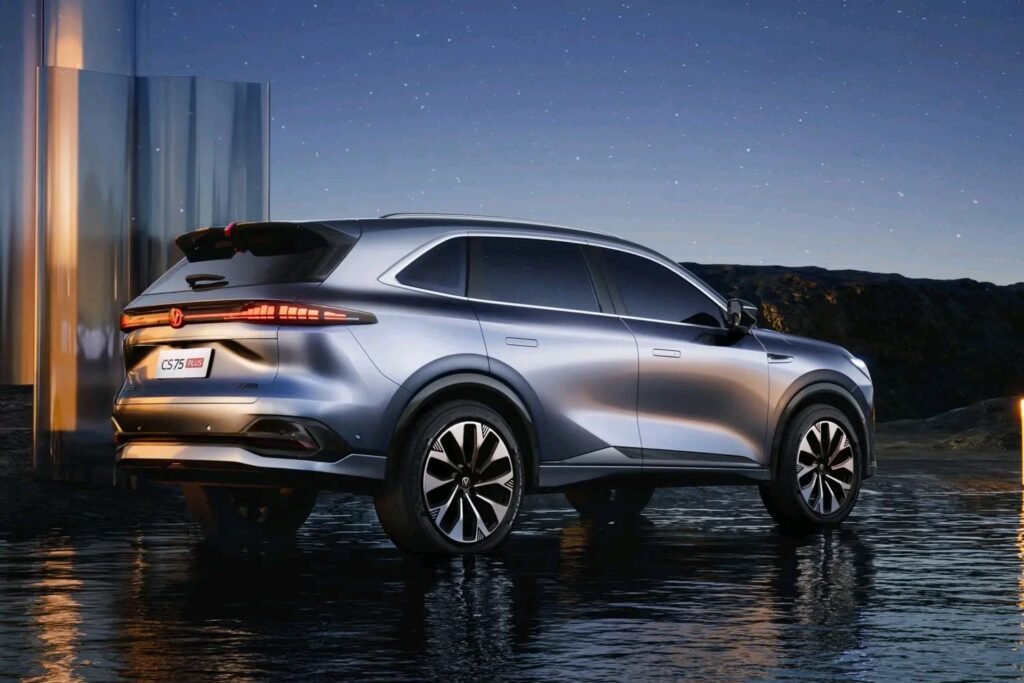
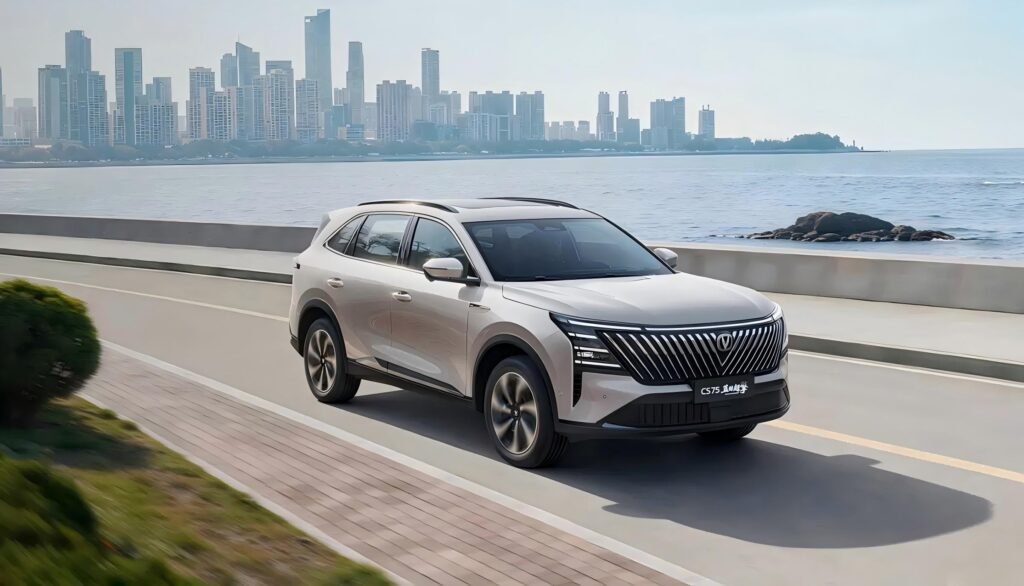
The Beijing Auto Show 2026 officially opened on April 24, and it has already made history. With a record-breaking 380,000 square meters of exhibition space—the largest of any auto show in the world—this year’s event features 1,451 vehicles, including 181 world or China premieres and 71 concept cars. All of these numbers represent significant increases from the previous Beijing Auto Show. The message is clear: the Beijing Auto Show 2026 is no longer just a regional event—it is the undisputed global epicenter of the automotive industry. Domestic Brands Have Firmly Taken Center Stage If the last Beijing Auto Show saw Chinese domestic brands first step into the spotlight, this year they have completely claimed the center stage. With domestic brands now accounting for over 60% of China’s auto market, their exhibition scale and product lineup at the show fully reflect this dominance. Major state-owned auto groups—Dongfeng, Changan, BAIC, SAIC, and GAC—have all unveiled a wave of new models. Highlights include: Changan Auto used the show to launch its “Haina Baichuan Plan 2.0” and two new global HEV models: the new-generation Eado Blue Whale Super Engine and the CS75PLUS Blue Whale Super Engine. Changan chairman Zhu Huarong set ambitious targets: 2.4 million NEV sales and 1.5 million overseas vehicle sales by 2030. Geely Auto took over half a hall, with Zeekr, Lynk & Co., Geely Galaxy, and Geely China Star all participating. The company displayed a full range of vehicles across pure electric, hybrid, methanol, and fuel power. Geely also showcased breakthrough technologies like Super Eva, Qianli Haohan G-ASD 4.0, Shenjin all-solid-state battery, and China’s first natively developed robotaxi prototype—the Eva Cab. Li Auto founder, chairman, and CEO Li Xiang returned to the Beijing Auto Show, unveiling the upcoming flagship Li Auto L9 Livis (scheduled for a May launch), a key contender in the fiercely competitive “9-series” flagship market. XPeng, appearing at its first major A-level show since renaming from “XPeng Motors,” displayed not only the flagship GX but also flying cars and robotaxis—offering a broader exhibition than many competitors. Other major domestic players—BYD, Chery, NIO, Xiaomi, and Leapmotor—are all present. BYD and Cheri once again occupy entire halls. Xiaomi displays its Xiaomi Vision Gran Turismo concept car for the first time at a domestic auto show, while NIO achieves a historic milestone: all three of its brands—NIO, ONVO, and Firefly—appear together for the first time. Leading Overseas Brands Double Down on China Despite declining market share, the Beijing Auto Show 2026 has seen top overseas automakers reaffirm their commitment to China with new localization strategies. Mercedes-Benz chairman Ola Källenius stated: *“By 2027, Mercedes-Benz will launch over 40 new models across multiple powertrain forms, including seven models developed specifically for the Chinese market.”* The all-electric GLC SUV and the new-generation S-Class—developed with autonomous driving unicorn Momenta—made their debuts at the show. BMW also emphasized its “In China, For China, Moving Forward Together with China” strategy, showcasing multiple new products developed in collaboration with local tech giants like AutoNavi, Alibaba, and Huawei. Volkswagen Group chairman Oliver Blume was even more direct: “China is the core of Volkswagen’s global transformation and a key cornerstone for achieving our global strategic goals.” The Group plans to launch over 20 NEV models in China in 2026, expanding to about 50 by 2030, including roughly 30 pure electric models. At this year’s show, VW unveiled four new vehicles, including the ID.AURA T6 and the E7X—Audi’s first all-electric large SUV developed specifically for China. Toyota and Nissan also displayed their latest localized NEVs—the GAC Toyota Bozhi 7 and Dongfeng Nissan NX8—both developed in partnership with Huawei, Horizon Robotics, and other Chinese tech firms. A Welcome Return: Beijing Hyundai and Dongfeng Peugeot-Citroën Two joint ventures made surprising returns to the Beijing Auto Show 2026 after long absences. Dongfeng Peugeot-Citroën (DPCA) returned to a domestic A-level show for the first time in three years, with both its Citroën and Peugeot brands displaying their latest electrified products. Beijing Hyundai also returned after missing two major domestic auto shows in 2025, announcing a fresh brand strategy. Hyundai’s IONIQ brand officially launched in China, with the first production model making its world premiere at the show. The Rise of the Supply Chain and Tech Ecosystem The Beijing Auto Show 2026 is not just about car brands—it is also a massive stage for hundreds of supply chain and technology companies. Major players such as CATL, Horizon Robotics, Momenta, WeRide, KargoBot, Freetech, OuYee Semiconductor, Bosch, SenseAuto, and Sunwoda are all actively participating. Chinese supply chain companies have significantly increased their exhibition scale, highlighting the strength and vitality of China’s NEV industrial chain. This “whole-zero co-exhibition” trend demonstrates that the supply chain is no longer just a supporting actor—it is a core driver of innovation. Moreover, many overseas brands are now using Chinese expertise to power their China strategies. Mercedes-Benz, BMW, Beijing Hyundai, and SAIC-GM are all partnering with Chinese autonomous driving firms like Momenta. Audi and Toyota are working closely with Huawei and Xiaomi. This is a clear sign: to compete in China, global automakers must embrace local technology. Absences Tell a Story of Market Turmoil As always at the Beijing Auto Show 2026, who is not present says as much as who is. Ultra-luxury brands such as Lamborghini, Rolls-Royce, and Bentley—all present at the previous Beijing Auto Show—are absent this year. Industry insiders point to the rapid rise of electrification and high-end Chinese domestic brands, which have intensified competition and offered Chinese consumers more choices than ever before. Other overseas brands like Chevrolet, Kia, Genesis, Polestar, and Daolang are also missing, likely due to poor sales performance in China. Among new energy players, Yuanhang, Neta, Jiyue, Feifan, and Skywell are absent—most struggling with financial crises or restructuring. New Forces Emerge: Fresh Faces at Beijing 2026 Yet for every brand that has fallen away, new ones have risen to take their place. Several brands are making their Beijing Auto Show debut: Conclusion: Beijing Is Now the Global Automotive Main Stage The Beijing Auto Show 2026 is far more than an exhibition. It is a mirror reflecting the rapid transformation of the global auto industry. From domestic brands firmly seizing the lead, to overseas giants doubling down on China with local technology; from a powerful supply chain ecosystem taking center stage, to the constant churn of old brands falling and new ones rising—one thing is certain: Beijing has become the main stage where the future of the global automotive industry is being shaped. What excites

Beijing Auto Show 2026: The Global Automotive Epicenter Returns in Full Force Read More »

Beijing Auto Show 2026: The Smartest, Most Competitive Auto Show

The Beijing Auto Show 2026 has officially kicked off, and it has already shattered all previous records. Dubbed the largest in its history, this year’s event is a true spectacle of automotive innovation, running from April 24th under the powerful theme: “Lead the Era, Drive the Future.” Held at a staggering 380,000 square meters with dual-venue coordination for the first time, the show features over 1,000 top global companies, 219 press conferences, an incredible 1,451 display vehicles, and 181 world or China premieres. It’s clear that the Beijing Auto Show 2026 is not just an exhibition—it’s a declaration of a new global order in the auto industry. Domestic Brands Take the Lead: The “9-Series” Flagship Battle Chinese domestic automakers have seized absolute center stage at the Beijing Auto Show 2026, commanding over 66% of the new energy vehicle (NEV) market. And nowhere is this dominance more visible than in the intense competition among “9-series” flagship models. The show floor has become a battleground for ultra-luxury, technology-packed giants. BYD, Geely, Changan: A Galaxy of Innovations The Beijing Auto Show 2026 is also defined by the sheer scale and depth of China’s largest auto groups. BYD occupies an entire hall, showcasing its full brand lineup—Dynasty, Ocean, Denza, Fangchengbao, and Yangwang. Highlights include the BYD Tang EV, the brand’s first D-segment flagship SUV, which globally debuts a flash charging technology promising “5 minutes to charge, 9 minutes to full.” Fangchengbao’s all-new FORMULA series makes its global premiere, while the Yangwang U9 Xtreme and U8L four-seat version add even more drama. Geely takes over half a hall, presenting the latest achievements from Zeekr, Lynk & Co., Galaxy, and China Star brands under its 全域 AI 2.0 and Omni-Safety 2.0 technology systems. On opening day, Geely unveiled China’s first natively developed robotaxi prototype, built on its L4-level AI digital architecture—a key step in embodied AI mobility. Changan Auto brings its entire family: Changan, Avatr, Shenlan, Qiyuan, and Kaicheng. The Avatr VISION XPECTRA concept makes its Asian debut, the Shenlan L06 launches, the Qiyuan Q05 laser edition goes on sale, and the Kaicheng driverless logistics vehicle has its world premiere. Changan also unveils “Haina Baichuan Plan 2.0” alongside two new global HEV models. The Huawei Ecosystem Takes Over At the Beijing Auto Show 2026, the so-called “Huawei Circle” has become an attraction in itself. Huawei’s five automotive brands—AITO, Zhijie, Shangjie, Yijing, and Huawei Qiankun Qijie—each have dedicated booths, with a separate stand for HarmonyOS Mobility. New models like the Shangjie Z7/Z7T, AITO M6, and Zhijie V9 make official debuts, while the first models from Huawei’s partnerships with Dongfeng (Yijing X9) and GAC (Qijie GT7) also break cover. New Forces and Surprise Entrants Xiaomi, led by founder Lei Jun, draws massive crowds once again. The Xiaomi Vision GT concept supercar is shown for the first time at a major Chinese auto show, turning heads with its futuristic design. NIO achieves a historic moment: for the first time at an international A-level show, all three brands—NIO, ONVO, and Firefly—share the same stage. XPeng presents the full color lineup of the GX, alongside a hidden “high-custom” limited edition. And then there’s Dreame Technology, best known for smart home appliances, making its independent exhibition debut. Having announced its entry into auto manufacturing just last August, Dreame now shows three planned SUV models, with whispers that a limited-edition coupe priced above one million RMB will enter production in 2027. Joint Venture Brands Fight Back with Smart EVs After years of playing catch-up, joint venture brands are launching a determined counter-offensive at the Beijing Auto Show 2026 with an “In China, For China” strategy. The Rise of “Tech Co-creation”: Suppliers Share the Spotlight One of the most unique trends at the Beijing Auto Show 2026 is the emergence of major suppliers as stars. No longer hidden in separate halls, tech giants like Huawei Qiankun and battery leaders like CATL now have exhibition spaces right next to major automakers. This “whole-zero co-exhibition” highlights a major shift in the industry: the auto supply chain is now a relationship of deep, collaborative technology co-creation. Visitors can see Momenta, Horizon Robotics, and Black Sesame Technologies showcasing their latest AI chips and autonomous driving platforms alongside the vehicles they power. Major battery suppliers—CATL, CALB, Eve Energy, Rept Battero, and Sunwoda—are all present in the main halls, displaying cutting-edge technologies like ultra-fast charging batteries, sodium-ion batteries, solid-state batteries, and “AI + battery” solutions. Even BYD and Geely have set up dedicated technology booths for their advanced driving and charging systems. Conclusion: A New Center of Gravity From the fierce “9-series” flagship wars to Huawei’s ecosystem dominance, from BYD’s charging breakthroughs to the determined counter-attack of joint ventures, and from the rise of suppliers as co-creators to surprise newcomers like Dreame, the Beijing Auto Show 2026 leaves no doubt: China’s auto industry has firmly seized the initiative in electrification and intelligence. This is no longer a show about catching up—it is about setting the pace. And it is happening with Beijing as the epicenter.

Beijing Auto Show 2026: The Smartest, Most Competitive Auto Show Read More »

Foton Enters UK Market with CAVAN C1 Electric Van at Birmingham CV Show 2026

On April 21, 2026, BAIC FOTON made its official entry into the UK commercial vehicle market at the prestigious Birmingham Commercial Vehicle Show (CV Show). The Chinese manufacturer unveiled its CAVAN C1 Series, a new energy light commercial vehicle that immediately captured the attention of European fleet operators and logistics professionals. Described as the world’s first van built on a dedicated new energy platform, the CAVAN C1 Series marks a significant milestone in FOTON’s European expansion, following successful deployments in Italy, Germany, and Malta. Fast Charging & Real-World Range The CAVAN C1 Series is engineered for efficiency and uptime. Key specifications include: These figures position the CAVAN C1 as a practical, zero-emission alternative for last-mile and regional distribution across the UK. Cargo Versatility for Every Trade The CAVAN C1 Series offers three cargo volume options to accommodate different business needs: Wheelbase Cargo Volume Battery Capacity 2,800 mm 6.6 m³ 50.23 – 66.67 kWh 3,100 mm 7.4 m³ 50.23 – 66.67 kWh 3,100 mm 8.4 m³ 50.23 – 66.67 kWh Maximum internal cargo height reaches 1,620 mm and width 1,670 mm, allowing bulky items to be loaded with ease. Safety & Intelligent Driving at L2+ Level The CAVAN C1 Series complies with EU GSR2 safety regulations and features a comprehensive L2+ intelligent driving system that integrates 25 advanced driver-assistance functions. Drivers can select from three driving modes depending on road conditions: The L2+ system enhances highway cruising safety and navigates complex European city traffic with confidence. Built to Withstand European Conditions Durability is a cornerstone of the CAVAN C1 design. Over 63% of the body is made from high-strength steel, and the vehicle has undergone full-scenario reliability testing that includes: This rigorous validation ensures stable performance across the UK’s varied climate and road conditions. BAIC FOTON’s Broader Electrification Push The UK launch is part of FOTON’s accelerating global green mobility strategy. The company has independently developed and mastered core ‘three-electric’ technologies (battery, motor, electronic control) and is advancing multiple new energy pathways: With a full lineup of new energy commercial vehicles, BAIC FOTON is helping to decarbonise the global logistics and transportation industry. “We are redefining the speed of development and value standards for new energy commercial vehicles.” – BAIC FOTON spokesperson Looking Ahead Following its successful debut at Birmingham, the CAVAN C1 Series is poised to become a key player in the UK’s rapidly growing electric van market. BAIC FOTON promises to continue strengthening technological innovation, injecting Chinese ingenuity into the global shift toward sustainable transportation.

Foton Enters UK Market with CAVAN C1 Electric Van at Birmingham CV Show 2026 Read More »

Changan Charts a Bold Path to 2030: Global Top 10, RMB 600 Billion, and a Low-Carbon Future

On April 21, 2026, at its Global Strategy Launch and Global Partner Conference held in Chongqing, Changan Group laid out a detailed, decade-long roadmap to secure its place among the world’s top ten automakers. With around 700 partners in attendance, the Chinese automotive giant introduced its “1+4+4+5” strategic framework—an evolution of its existing Vast Ocean Plan—aimed at generating RMB 600 billion (approx. $83 billion) in revenue by 2030. The Core Vision: A World-Class Automotive Group At the heart of Changan’s strategy is a single vision: to become a globally competitive automotive group driven by homegrown core technologies. This vision rests on four business pillars – vehicles, components, services, and next-generation ecosystem industries – and is steered by four transformation priorities: intelligence, green development, globalization, and integration. To turn vision into reality, Changan has set out five doubling targets for 2030: “Every transformation creates the conditions for a new generation of world-class enterprises. Changan Group will stay committed to co-development and shared prosperity, working with our industry partners with one purpose and one direction.”— Zhu Huarong, Chairman, Changan Group Six Major Leaps to Drive the Transition To achieve these ambitious goals, Changan has defined Six Major Leaps that mark measurable shifts across its operations: Three Major Plans for Globalization Changan is advancing its global ambitions through three interconnected initiatives: Strong Foundations Built on 2025 Performance Changan’s 2030 targets are backed by solid momentum. In 2025, the Group reported: Today, Changan sells vehicles in 118 countries through 1,124 outlets, operates 22 overseas manufacturing bases with a combined capacity of 350,000 units, and achieved a milestone of 100,000+ monthly overseas sales for the first time in March 2026.

Changan Charts a Bold Path to 2030: Global Top 10, RMB 600 Billion, and a Low-Carbon Future Read More »

2026 Beijing Auto Show: Deepal L06 Max Officially Launched – Lower Price, Smart Features, Long Range

The 2026 Beijing Auto Show has brought a wave of exciting new EV releases, and one of the standout debuts is the Deepal L06 Max. DeepBlue Auto has officially launched this new trim level with a limited-time price ranging from $17,410 to $18,870 (official guide price: $18,430–19,900), making the pure electric L06 more accessible than ever. A Smart Choice for Budget-Conscious EV Buyers The Deepal L06 Max is designed for drivers who want a well-rounded electric sedan without paying for top-tier autonomous driving hardware. Compared to the higher-end Ultra version, the Max trim makes strategic adjustments to the intelligent driving and cockpit systems while keeping most comfort and convenience features intact. Intelligent Driving: No LiDAR, But Still Smart The most notable change is the removal of the LiDAR sensor. Instead, the L06 Max adds millimeter-wave radar and reduces the number of side and rear cameras. It runs on Deepal’s AD Pro driver assistance system, which includes: What’s missing compared to the Ultra? The Max version does not offer: Intelligent Cockpit: Smooth and Capable Inside, the Deepal L06 Max features a 15.4-inch 2.5K central control screen powered by an 8155 chip – a reliable, proven processor for smooth infotainment and voice control performance. While not the absolute newest chip on the market, the 8155 handles daily tasks and navigation with ease. Comfort Features You’ll Actually Use Deepal didn’t cut corners where it matters most for daily driving. The L06 Max still includes: Two Range Options: 560km or 670km The Deepal L06 Max is offered in two pure electric variants: Model Battery Capacity Range (CLTC) 0-100 km/h 560Max 56.12 kWh (CATL LFP) 560 km 5.9 seconds 670Max 68.82 kWh (CATL LFP) 670 km 6.2 seconds Both versions are powered by a 200 kW rear-mounted motor with 290 Nm of peak torque, delivering brisk acceleration and a fun, rear-driven character. Why the Deepal L06 Max Matters for the EV Market Deepal is positioning the L06 Max as the value-focused entry point to its popular electric sedan lineup. By removing expensive LiDAR hardware while retaining highway driving assistance, a large central screen, and premium seat features, Deepal offers a compelling package at a lower price. For buyers who don’t need city self-driving capabilities, the L06 Max delivers excellent range per dollar – especially the 670km version, which competes with far more expensive rivals. Final Verdict If you’re shopping for a pure electric sedan at the 2026 Beijing Auto Show or considering Deepal’s lineup, the L06 Max is worth a close look. It strikes a smart balance between cost, range, and real-world usability. Pros: Cons:

2026 Beijing Auto Show: Deepal L06 Max Officially Launched – Lower Price, Smart Features, Long Range Read More »

BYD Unleashes the 2026 Sealion 05: Flash Charging, Huge Range, and Lower Prices

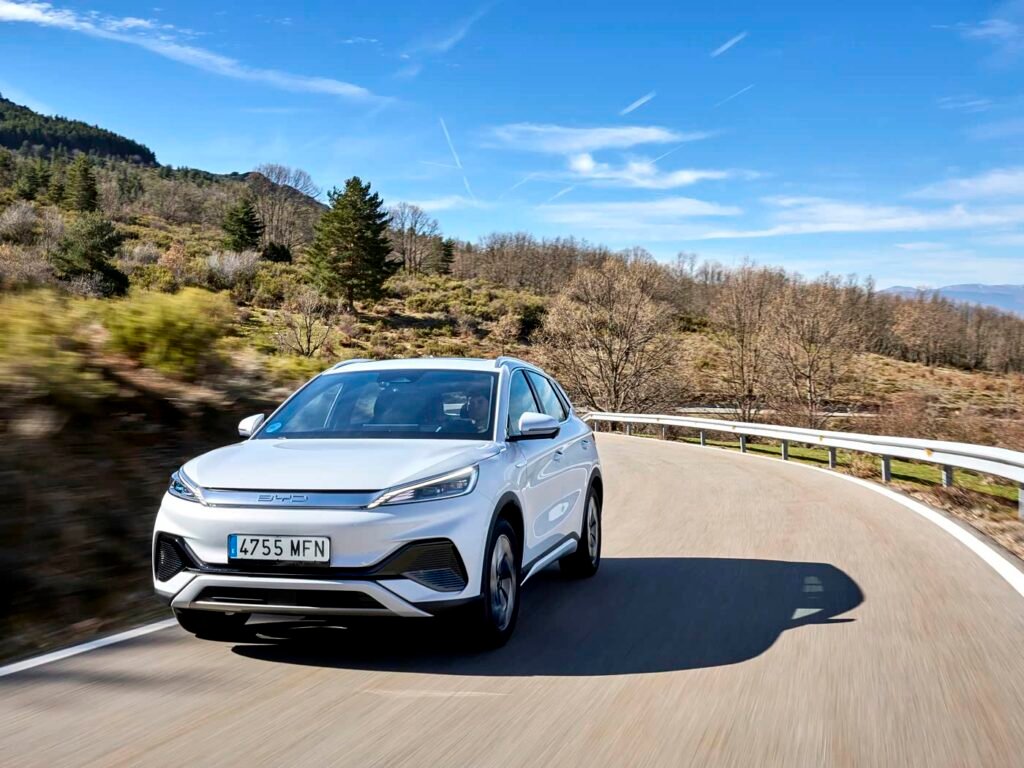
BYD has officially taken the wraps off its refreshed 2026 Sealion 05 series, and it’s packed with upgrades aimed at keeping the Chinese auto giant firmly in the lead. The updated compact SUV lineup continues to offer both pure electric (EV) and plug-in hybrid (PHEV) versions, now with better performance, faster charging, and more wallet-friendly price tags. Two Flavors: Sealion 05 DM-i (Hybrid) and Sealion 05 EV (Electric) Just like the previous generation, the new Sealion 05 family consists of two distinct models: EV Version: Second-Gen Blade Battery + Flash Charging The all-electric Sealion 05 gets the most headline-grabbing upgrade. It is equipped with BYD’s second-generation Blade Battery and supports ultra-fast flash charging. According to BYD, you only need about five minutes to complete most of the battery’s energy replenishment – a game-changer for road trips. Other highlights for the Sealion 05 EV include: Hybrid Version: Insane 2,105 km Combined Range If you prefer the flexibility of a plug-in hybrid, the Sealion 05 DM-i doesn’t disappoint. It uses BYD’s fifth-generation DM hybrid technology, resulting in remarkable efficiency: Buyers can choose between two battery packs: 26.628 kWh or 34.275 kWh, providing a pure electric range (CLTC) of 220 km or 305 km respectively. Smarter Driving Assistance: “God’s Eye” and Optional LiDAR The 2026 Sealion 05 also steps up its intelligent driving game. Higher trim levels come standard with BYD’s God’s Eye C driver-assistance system. For those wanting even more capability, an optional LiDAR sensor can be added, unlocking the higher-level God’s Eye B system – which supports urban navigate-on-autopilot and other advanced scenarios. Familiar Design, Slight Dimension Changes Visually, the new Sealion 05 retains the brand’s ocean aesthetics design language, with only minor adjustments to body dimensions. The wheelbase measures 2,770 mm, helping to maintain a spacious interior. It also features an upgraded smart cockpit system for a more connected experience. Why This Matters The launch of the refreshed Sealion 05 series isn’t just about new features – it’s a strategic move by BYD to defend its market share in China’s fiercely competitive electric vehicle market. By offering flash charging, huge range options, and advanced driver assistance at lower prices, BYD is sending a clear message to rivals. Interestingly, this model is known as the Yuan Plus (or Atto 3 in some overseas markets). The third-generation Yuan Plus will also inherit this latest flash-charging technology.

BYD Unleashes the 2026 Sealion 05: Flash Charging, Huge Range, and Lower Prices Read More »