Key Point 1: The 2026 H1 Sales Crash – By the Numbers
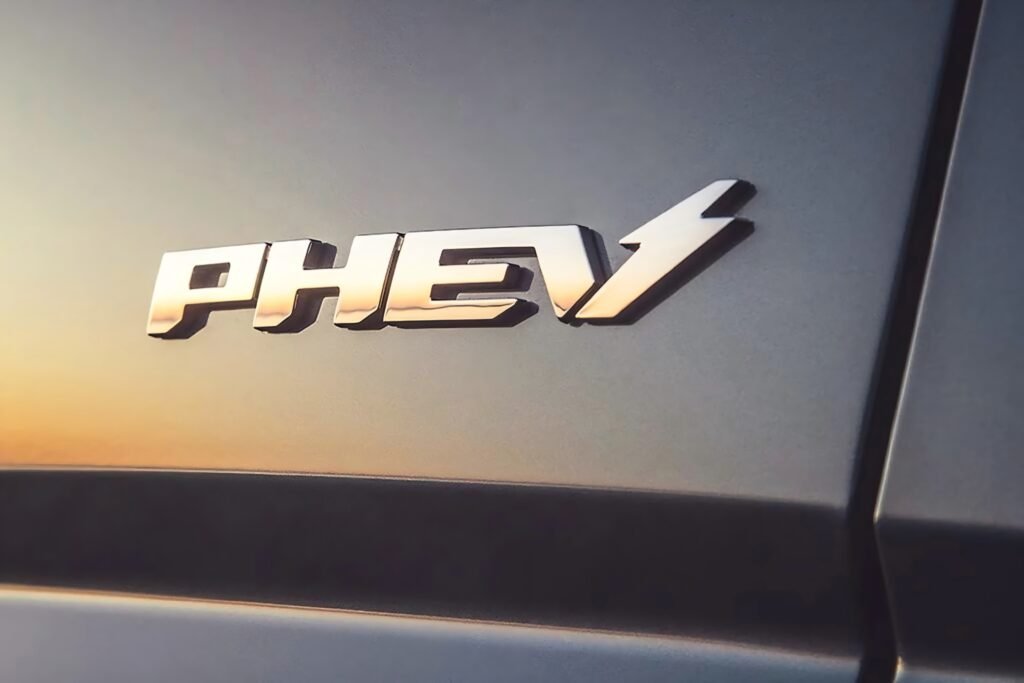
The latest data shows that PHEV sales plunge 26% in the first half of 2026, matching the decline of gasoline cars and far exceeding the 7% drop in pure electric vehicles.
| Vehicle Type | Sales Decline (H1 2026 vs. H1 2025) |
|---|---|
| PHEV | -26% |
| Gasoline Cars | -26% |
| EREV (Range-Extenders) | -17% |
| BEV (Battery EVs) | -7% |
| Overall Market | -20% |
Takeaway: PHEV sales plunge 26%, putting plug-in hybrids at the bottom of the pack alongside traditional gas cars, while BEVs prove to be the most resilient segment.
Key Point 2: Why Did PHEV Sales Plunge 26%?
To understand why PHEV sales plunge 26%, we need to look at the biggest game-changer: flash charging technology.
The Old Pitch for PHEVs:
- Electric driving in the city → low cost
- Gas engine for long trips → zero range anxiety
- = The “perfect compromise”
Why Consumers Are Walking Away:
- Entry-level BEVs (priced ~$12,000-$14,000 USD) now offer 400-500 km of real range
- Flash charging technology – 9 minutes of charging = hundreds of kilometers of range
- PHEVs now look like obsolete baggage – lugging around a full gas drivetrain adds weight, increases energy consumption, and requires extra maintenance
Bottom line: Flash charging killed range anxiety. That’s the #1 reason PHEV sales plunge 26% — the core value proposition has collapsed.
Key Point 3: BYD’s PHEV Freefall – Month by Month
As the dominant player in the PHEV market, BYD’s performance tells the real story behind why PHEV sales plunge 26%.
| Month | 2025 Sales | 2026 Sales | Year-on-Year Change |
|---|---|---|---|
| Jan | 119,902 | 34,893 | -71% |
| Feb | 103,683 | 35,974 | -65% |
| Mar | 132,787 | 59,165 | -55% |
| Apr | 118,107 | 55,244 | -53% |
| May | 133,868 | 70,800 | -47% |
| Jun | 168,383 | 80,761 | -52% |
Irony alert: BYD pioneered flash charging – and ended up cannibalizing its own PHEV lineup, further accelerating the trend of PHEV sales plunge 26%.
Key Point 4: The Great Divide – Premium vs. Mass-Market PHEVs
While the headline says PHEV sales plunge 26%, the reality inside the market is far more complex.
🔥 Premium PHEVs = Surging
| Brand | Growth Rate |
|---|---|
| Fangchengbao (BYD sub-brand) | +151% |
| Buick | +90% |
| Wey (GWM) | +24% |
| Voyah | +23% |
| Lynk & Co | +16% |
Hot sellers: Models priced between $28,000-$55,000 USD – Fangchengbao Titan 7, Buick Zhijing Shijia, Zeekr 8X/9X
❄️ Mass-Market PHEVs = Crashing
| Brand | Growth Rate |
|---|---|
| BYD | -57% |
| Geely Galaxy | -20% |
| Changan Qiyuan | -10% |
| Denza | -37% |
Counterintuitive finding: The more expensive the PHEV, the better it sells. This tells us that PHEV sales plunge 26% is primarily a mass-market phenomenon.
Key Point 5: Why Premium PHEVs Defy the 26% Plunge
Even as PHEV sales plunge 26% overall, premium plug-in hybrids are thriving. Here’s why:
- Premium buyers are less price-sensitive
- They prioritize: seamless long-distance travel, zero charging anxiety, large SUVs/MPVs/off-road capability
- BEVs still struggle with range in large vehicles – PHEVs remain the best practical solution
PHEV’s “moat” still exists – but only in the premium segment.
Key Point 6: One Prediction
The faster flash charging improves, the harder it will be to reverse the trend of PHEV sales plunge 26%. BYD plans to roll out 20,000 flash charging stations by the end of this year. Once “5 minutes to top up, 9 minutes to fill” becomes the norm, budget PHEVs will shrink even further.
Final Takeaway
- PHEVs aren’t dead – but they’ve split into two species. The headline PHEV sales plunge 26% masks a deeper reality: premium PHEVs are thriving, while budget PHEVs are in freefall.
- The killer isn’t government policy – it’s battery technology getting better, faster.