The global automotive industry is witnessing a fascinating paradox. A dominant market leader is gripped by anxiety, while a much smaller challenger exudes supreme confidence. This isn’t just about sales figures; it’s a clash of visions, technologies, and strategies for the future of mobility.
The Numbers Game: A Tale of Two Mindsets
Let’s look at the raw data from the first half of 2026:
- Toyota sold 5.42 million vehicles globally, a slight dip of just 2.1% year-over-year.
- BYD sold 1.8 million vehicles, a significant drop of 15.7% compared to the same period.
On the surface, the winner is clear. Yet, the sentiment tells a completely different story.
BYD Executive Vice President Stella Li boldly declared that the company could snatch the global sales crown from Toyota within five years, even without entering the US market. Simultaneously, Toyota Chairman Akio Toyoda warned his company to stop its “arrogant attitude” towards Chinese rivals, with some engineers admitting they are “losing to China.”
Why is the smaller, shrinking player so confident, while the bigger, stable giant is so worried? The answer lies beneath the surface.
BYD’s Secret Weapon: The Overseas Market Surge
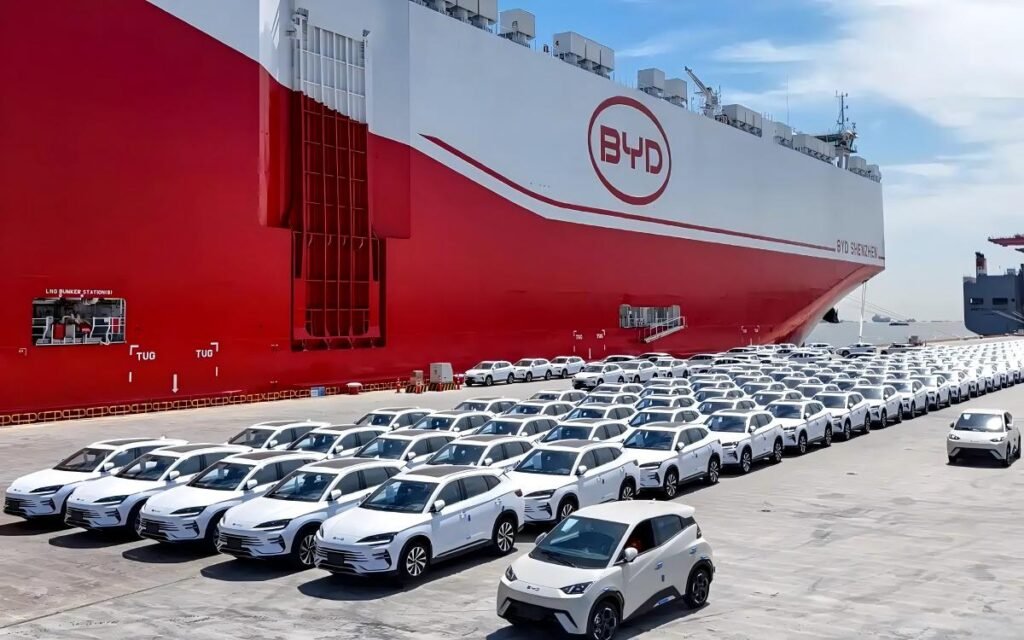
BYD’s confidence doesn’t come from its domestic sales, which have slowed, but from its explosive growth in international markets.
- Export Boom: In the first half of 2026 alone, BYD exported 789,400 vehicles, a year-on-year increase of over 70%.
- Global Share: Overseas sales now account for 43.6% of its total volume, up from just 10% in 2024.
- Monthly Momentum: In June, BYD sold over 170,000 vehicles overseas, a staggering 95% increase year-over-year.
BYD is aggressively conquering developed markets. In Europe, its registrations surged by 136% to 162,400 units, with strong performances in Germany, Italy, and Spain. In Australia, BYD is already the second-best-selling brand, trailing only Toyota.
The key takeaway: BYD believes its global offensive has just begun. The company sees immense untapped potential, which fuels its ambitious target.
Toyota’s Achilles’ Heel: The EV and Software Lag
Toyota’s anxiety stems from its struggles in the two defining trends of the modern auto industry: electrification and software-defined vehicles.
While Toyota pioneered hybrids with the Prius, it was a latecomer to pure electric vehicles (EVs) and plug-in hybrids (PHEVs). As of 2025, only 3% of Toyota’s global sales were EVs or PHEVs.
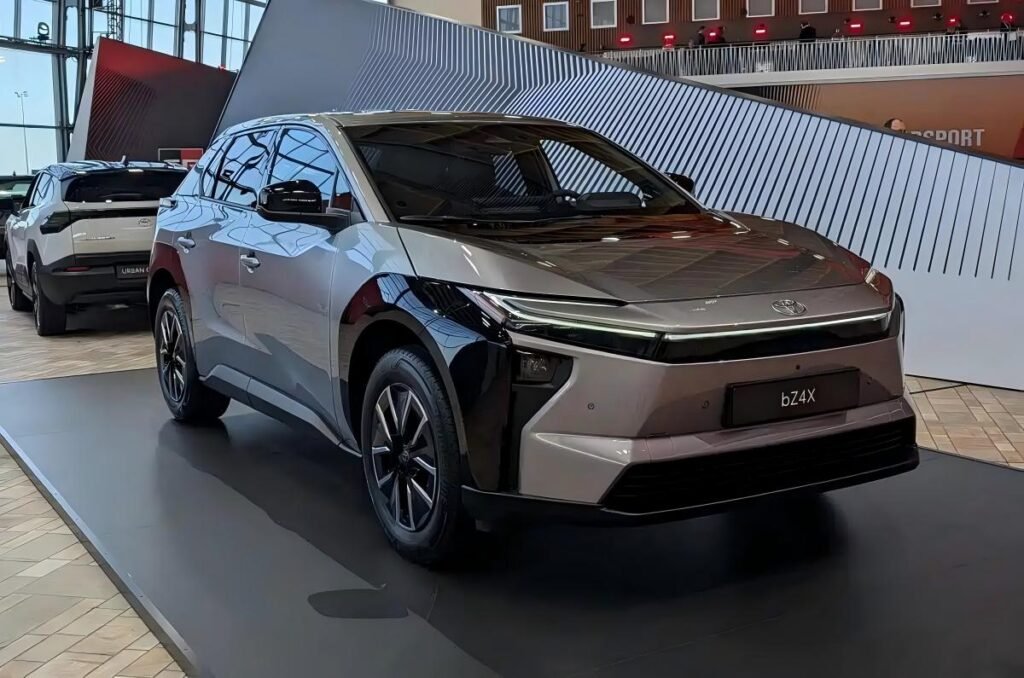
The failure of its own e-TNGA-based bZ4X EV was a stark warning. More critically, Toyota lags significantly in smart cabin technology and advanced driver-assistance systems (ADAS) , areas where Chinese companies excel.
Toyota has been forced to collaborate with its Chinese rivals. It has co-developed the bZ3 with BYD, used GAC’s platform for the Toyota bZ3X, and integrated Huawei’s HarmonyOS and MOMENTA’s ADAS into its new models. This reliance on Chinese technology highlights a strategic weakness.
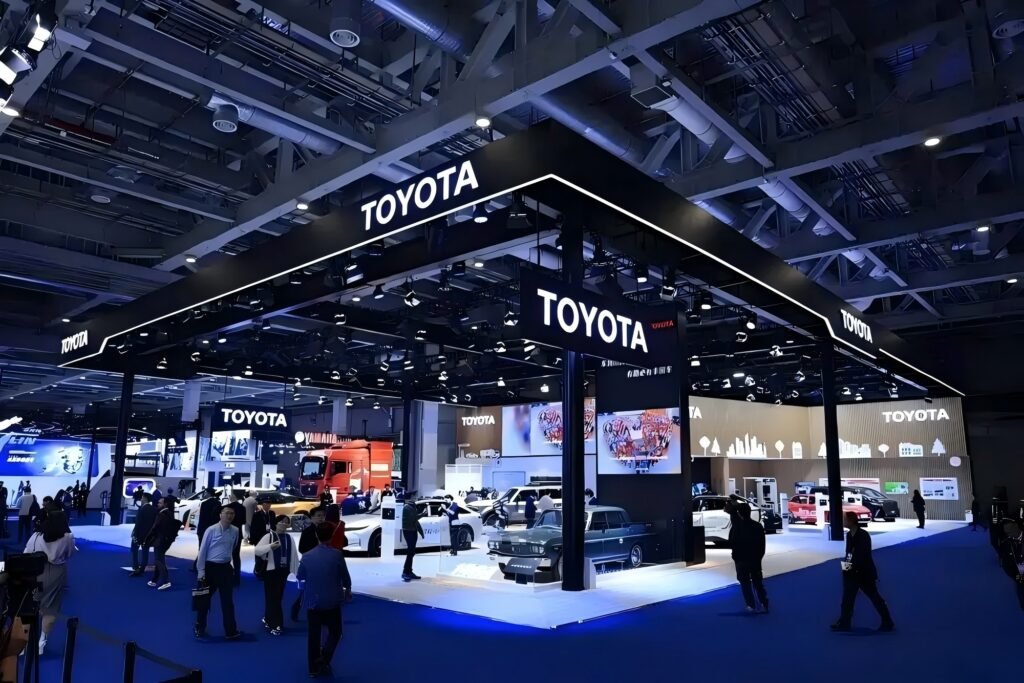
The Great Wall of Toyota: Why a “Coup” Is Not Easy
So, is BYD destined to dethrone Toyota? Not so fast. The article reminds us that cars are not smartphones. The barriers to entry and the pace of change are fundamentally different.
Toyota possesses formidable, hard-to-replicate advantages:
- Unmatched Brand Reputation: Decades of trust built on reliability, safety, and quality are not easily discarded. When a car fails, the consequences are far more serious than a phone glitch.
- Global Production and Supply Chain: Toyota has spent over half a century building a mature, efficient, and resilient global manufacturing and supply network.
- Management and Operational Excellence: The company’s legendary “Toyota Production System” and overall management philosophy remain the gold standard for operational efficiency.
Furthermore, Toyota is fighting back. It is launching 10 new EVs in 2026 and establishing a standalone Lexus EV plant in China to learn from the best in the world’s most dynamic EV market.
The Bottom Line: A Decade-Long Battle for the Throne
We admire BYD’s ambition and its firm position at the forefront of the intelligent EV revolution. However, toppling a giant like Toyota is a marathon, not a sprint.
BYD must prove it can build a global brand, service network, and management system to match its technological prowess. Toyota must accelerate its EV transition and infuse “intelligence” into its core identity.
Can BYD overtake Toyota in five years? It’s a monumental challenge, but in the rapidly evolving world of electric and autonomous vehicles, the future is unwritten. One thing is certain: this contest will define the global auto industry for the next decade.