By 2026, electric vehicles (EVs) have become a familiar sight on city streets and highways. They’re no longer just the future—they’re very much the present. Yet, despite the buzz, advertising, and rapid adoption, one thing remains clear: gas-powered cars haven’t disappeared. In fact, a significant number of buyers still consciously choose them. Why?
After talking to drivers, industry observers, and everyday commuters, I’ve found that most people sticking with internal combustion engines in 2026 fall into four clear categories. They aren’t resisting change—they’re making thoughtful, practical decisions based on their own needs.
1. The Long-Distance Driver: “Time is Everything.”
Meet the project managers, sales reps, and road-trippers who regularly drive hundreds of miles. For them, EV range specs on paper don’t always translate to real-world convenience.
“A 500-km claimed range sounds great,” one project manager told me, “but reliable fast-charging off major highways is still hit-or-miss in smaller towns.”
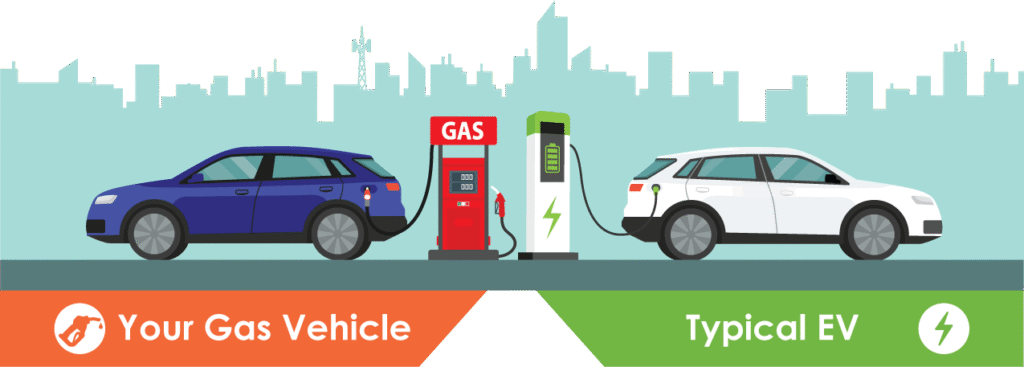
Meanwhile, gas stations are like old friends—always around the corner. A 5-minute refuel means less downtime, no holiday charging queues, and total peace of mind when the schedule is tight.
For them, efficiency isn’t just about energy—it’s about time.
2. The Urban Dweller Without Home Charging
Not everyone has a dedicated parking spot or the ability to install a home charger. Relying solely on public charging changes the EV value proposition dramatically.
Public chargers can be occupied, broken, or priced much higher than residential electricity. The “wake up to a full tank” advantage disappears, and the cost savings shrink.
For these drivers, the familiar routine of stopping at a gas station—5 minutes, pay, and go—still feels like freedom. Data shows over 80% of people without fixed charging access prefer gas cars. It’s a straightforward case of lifestyle defining the tool.
3. The Driving Enthusiast: “It’s About the Soul, Not Just Speed.”
Electric cars are quick, smooth, and quiet—and for some, that’s exactly what’s missing.
There’s a visceral thrill in the rumble of an engine, the feedback through the pedal, the shift of gears. One friend put it perfectly while revving his naturally aspirated coupe:
“This isn’t just movement—it’s a conversation with the machine.”
For enthusiasts, driving is emotional. And for now, many still find that emotion in traditional powertrains.
4. The Total-Cost Realist
Savvy buyers look beyond the sticker price or fuel cost per mile. They consider depreciation, maintenance, and long-term ownership expenses.
While EVs can be cheaper to “refuel,” their higher upfront cost, uncertain battery longevity, and expensive out-of-warranty repairs can tilt the math. Gas cars, on the other hand, often come with generous discounts, mature service networks, and predictable maintenance schedules.
“I did the math over five years,” one buyer explained. “With my driving pattern and no home charging, the gas car was actually more economical overall.”
For them, it’s not ideology—it’s spreadsheet logic.
The Big Picture: It’s About Fit, Not Fashion
These four groups aren’t rejecting progress. They’re simply matching the vehicle to their reality:
- The road warrior who values refuel speed and network reliability.
- The city resident without easy charging access.
- The car lover who cherishes sensory driving engagement.
- The number cruncher who prioritizes total cost of ownership.
EV technology will keep advancing. Charging networks will expand. But for now—and likely for years to come—these practical, personal, and economic factors will keep gas cars relevant.
Your car should fit your life, not the trend. Whether you choose electric or gas in 2026, the right answer depends on your daily rhythm, your priorities, and what brings you joy on the road.
Meta Description: Wondering why people still buy gas cars in 2026? Discover the 4 types of drivers who choose fuel over electric—based on logic, lifestyle, and long-term value.