
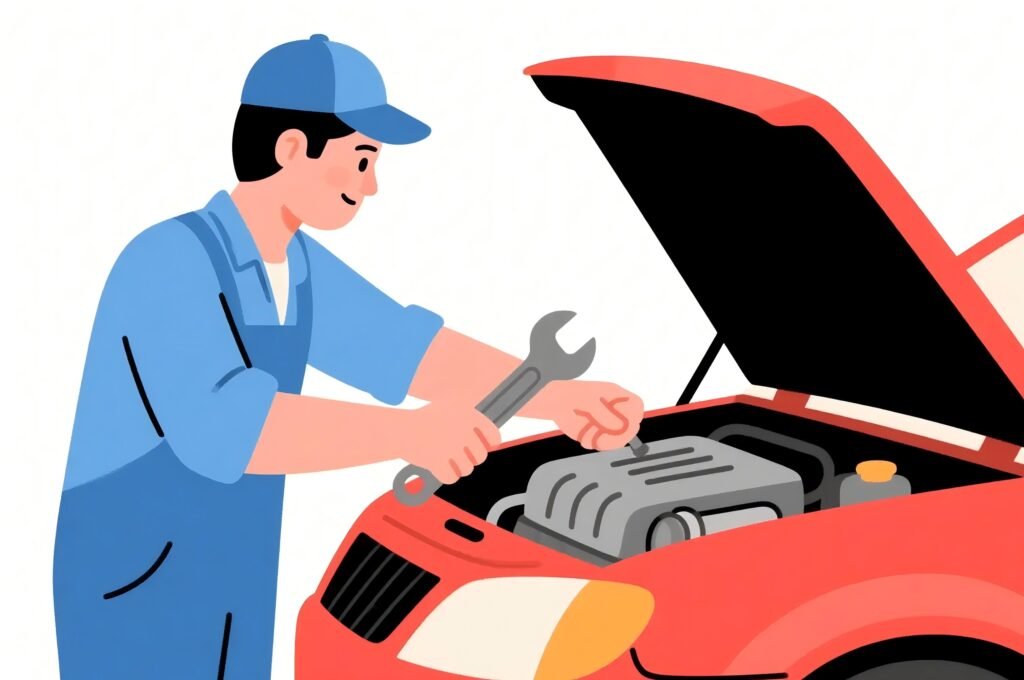
Does your car seem to develop more issues lately—unexplained higher fuel consumption, a rough engine start, or occasional brake noises? Often, these stem from daily habits, not mechanical failures. Before spending on repairs, learn to fix these four costly mistakes for free and potentially extend your car’s life by over 100,000 kilometers.
- The Ignition Sequence: Don’t Start “Sick”
The Mistake: Jumping in, immediately starting the engine with the brake pressed, and driving off. This deprives the car’s electronic systems of crucial self-check time, leading over months to increased carbon deposits, clogged injectors, and potential engine warning lights.
The Zero-Cost Fix: The 5-Step Start
Follow this sequence to allow systems to initialize properly:
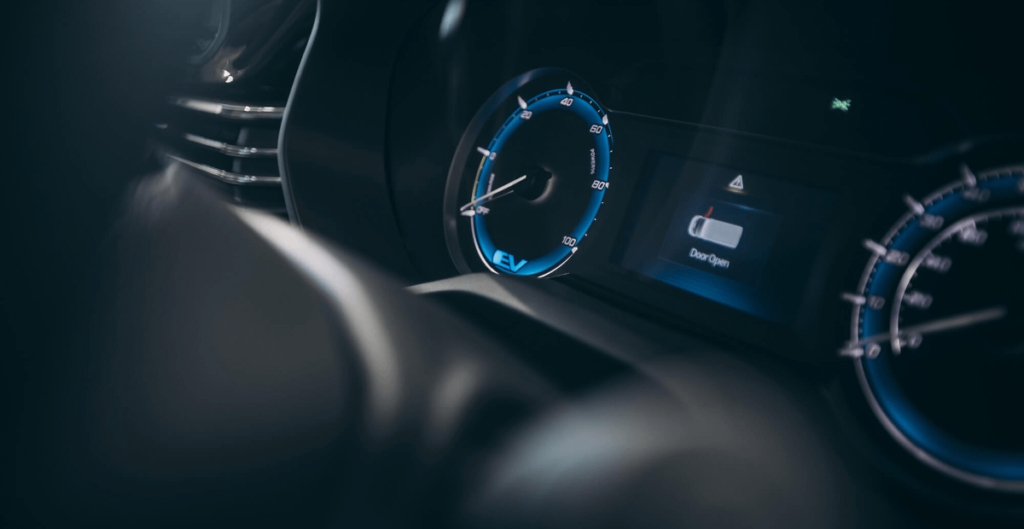
Accessory Mode: Press the start button without pressing the brake. Let the dashboard lights cycle (about 5 seconds).
Shift to Neutral (N): Press the brake firmly and shift from Park (P) to Neutral.
Start Engine: While holding the brake, press and hold the start button for 2 seconds.
Brief Warm-up: Keep the brake applied until the engine idle stabilizes (about 10 seconds).
Drive: Shift to Drive (D), release the handbrake, and proceed gently.
Pro Tip: In cold weather, wait until the coolant temperature gauge needle begins to move before driving for an optimal “engine warm-up.”
- The Shutdown Procedure: Protect Your Transmission
The Mistake: Stopping on a slope, shifting directly to Park (P), and turning off the engine. This makes the transmission’s parking pawl bear the vehicle’s entire weight, which can lead to damage, difficulty shifting out of park, or even rollaway.
The Zero-Cost Fix: The Secure Shutdown
Always use this 4-step method, especially on inclines:
Come to a Complete Stop: Hold the brake firmly.
Shift to Neutral (N):
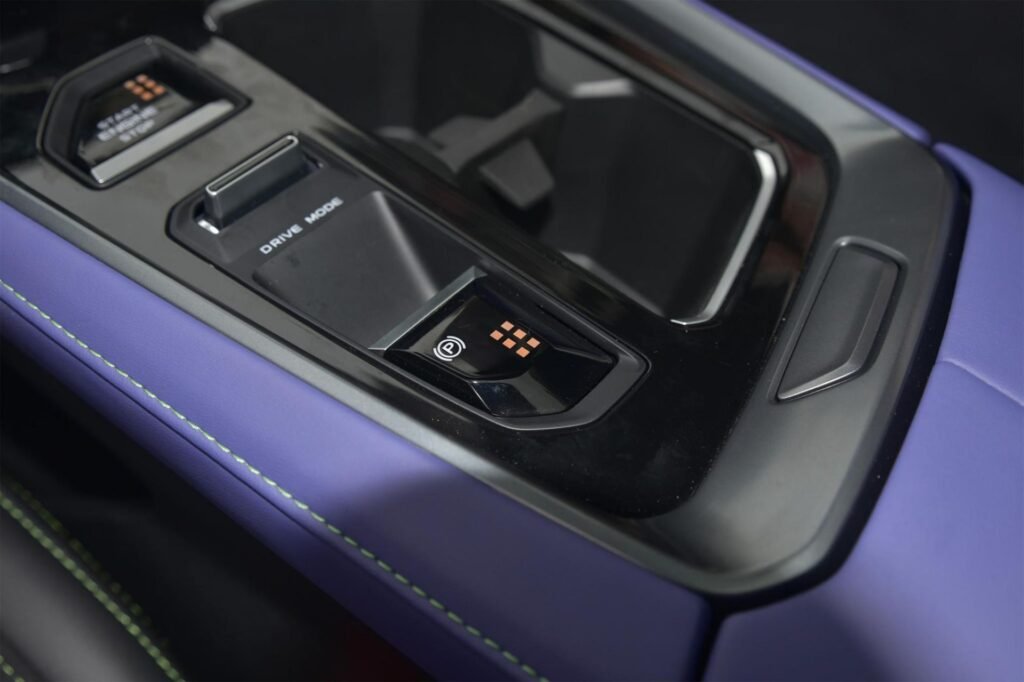
Engage the Parking Brake: Apply it fully to hold the car’s weight.
Shift to Park (P): Then release the foot brake and turn off the ignition.
This simple habit shifts the load from the transmission to the designed brake system.
- Auto Start-Stop: Use It Wisely
The Mistake: Leaving the system active in all conditions. While it saves fuel in traffic, automatic restarting in deep water can cause catastrophic engine hydrolock (water ingestion), often excluded from insurance coverage.
The Zero-Cost Fix: The “3 On, 4 Off” Rule
Use It (“On”): In heavy stop-and-go traffic, at long red lights (>30 seconds).
Disable It (“Off”): When driving through standing water, on steep slopes, when the A/C is on max, or right after starting a cold/hot engine.
Locate the “A OFF” button and make it a habit to disable the system in heavy rain or flood-prone areas.
- Cold Weather Missteps: Prevent “Frostbite”
The Mistake: Pouring hot water on a frosty windshield (risking thermal shock and cracks) or idling for excessively long periods to warm up (wasting fuel and causing engine wear).
The Zero-Cost Fix: Winter Care Trio
Defrosting: Use the car’s defroster setting. Gently scrape ice with a plastic scraper, never metal or hot water.
Warming Up: Modern cars need only about 30-60 seconds of idling in extreme cold. Drive gently for the first few kilometers to warm the engine efficiently.
Tire Pressure: Check and adjust pressure monthly in winter. Cold temperatures lower tire pressure, affecting safety, handling, and fuel economy.
Conclusion
These adjustments require no money, just mindful habit formation. As veteran drivers say, “Treat your car well, and it won’t give you trouble.” Incorporating these zero-cost practices into your routine can prevent expensive repairs, enhance safety, and ensure your vehicle remains a reliable companion for years to come. Which habit will you change first?