Blog

Your blog category

China’s Auto Sales List in July: China’s Auto Price War Turns White-Hot? (Part I)

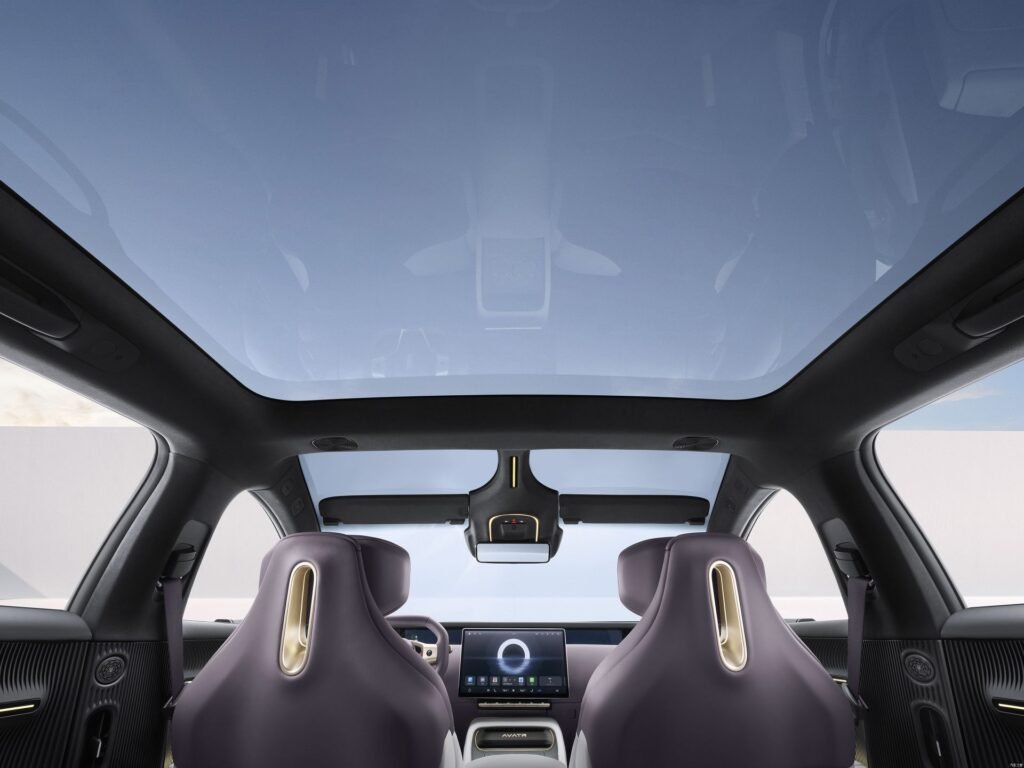
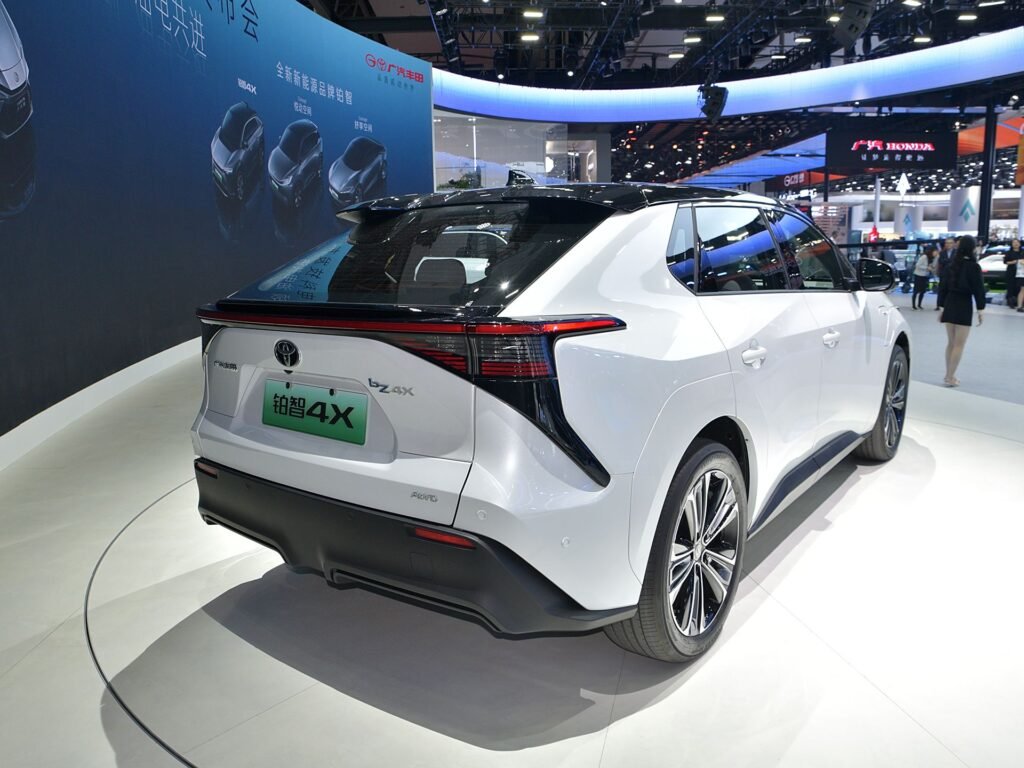
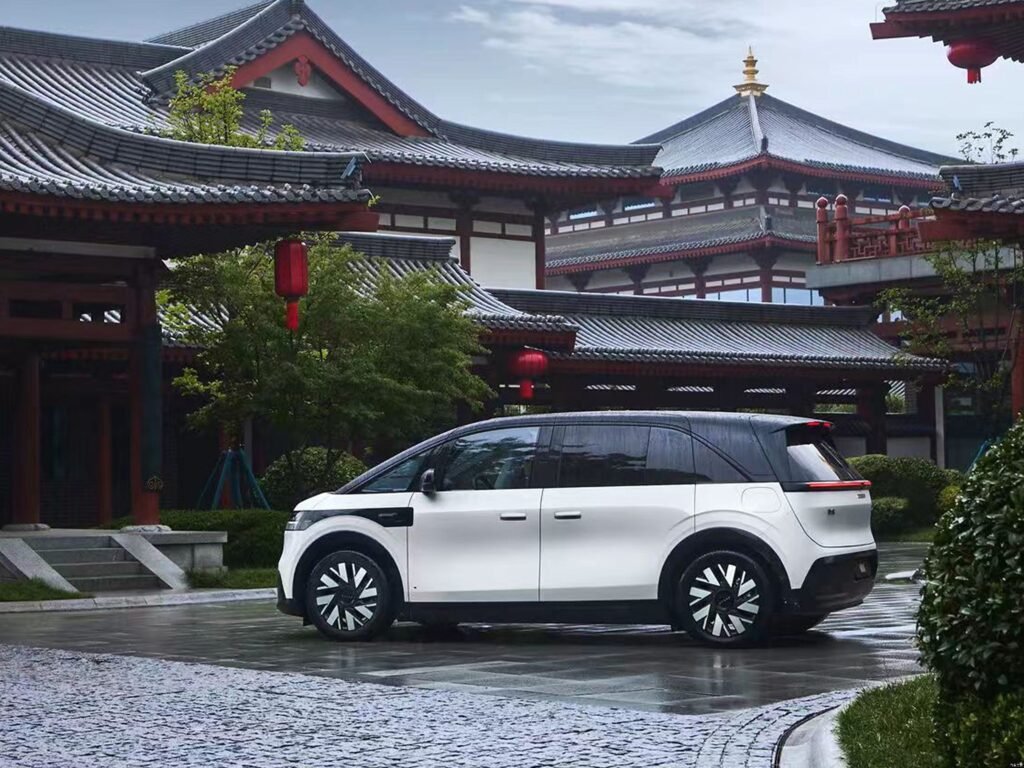
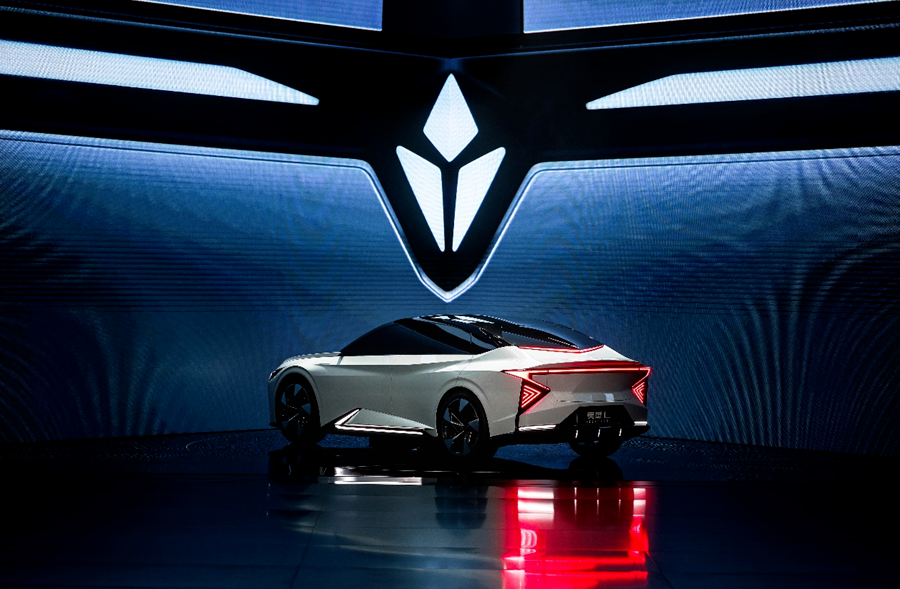
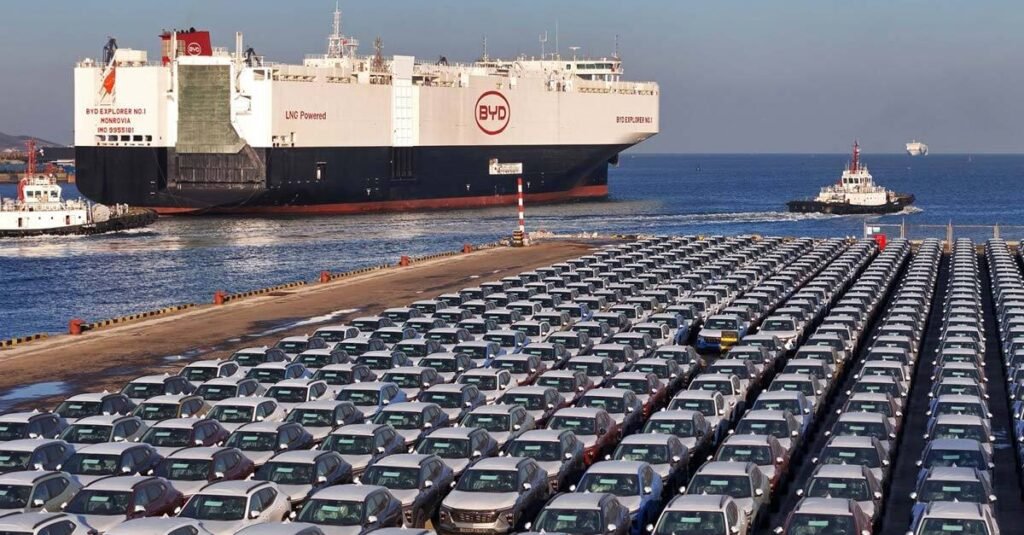
In the first week of August, many Chinese automakers released their sales figures for July. Looking back on July, China’s new-energy vehicle sales continued to rise, and the momentum of development remains rapid. At the same time, a group of luxury brands, led by BMW, announced that they were withdrawing from the “China Auto Price War” to protect their brand value, and began to adjust their prices back. On the contrary, the independent brand is still steady, in the volume of prices at the same time, but also do not forget to research technology, so consumers will pay for it? Let’s take a look at the sales performance of China’s major automakers in July! Major Chinese Car Brands: The overall results of Chinese auto brands are still very good, the head of several auto groups, BYD, Chery, Changan, and Geely model sales of more than 150,000 units, although individual car companies only released some of the data, but the comprehensive January-July sales, most of them are still steady to good trend. 1. BYD BYD officially released that July sales amounted to 342,383 units, of which 340,799 passenger cars were sold, up 30.5% year-on-year. The BYD Dynasty + Ocean series sold a total of 328,178 units, up 31.3% year-on-year. As for other brands, Denza Auto sold 10,340 units in July, Yangwang Auto sold 439 units in July, and the Formula Leopard brand sold 1,842 units in July. Meanwhile, BYD exported a total of 30,014 units overseas in July, a year-on-year increase of 65.2%. 2. chery Chery Holdings Group released a sales snapshot, the overall automobile sales in July were 195,759 units, an increase of 30.1% year-on-year. Among them, 90,281 units were exported overseas, up 16.8% year-on-year; 45,370 units of new energy vehicles were sold, up 254.5% year-on-year. From January to July, Chery Group sold a total of 1,296,380 vehicles, up 45.4% year-on-year. In terms of a single brand, Chery auto sold 123,123 vehicles in July, up 20.4% year-on-year; January-July sales of 829,890 vehicles, up 38.3% year-on-year; Exeed auto sold 14,443 vehicles in July, up 26% year-on-year; January-July sales of 68,890 vehicles, up 28.3% year-on-year. Jetour Auto sold 41,106 vehicles in July, up 91.1% year-on-year; January-July sales of 264,661 vehicles, up 97.7% year-on-year; iCAR auto’s first product has been on the market for five months, with sales of 6,065 vehicles in July; cumulative sales so far this year are 31,651 vehicles. 3. Geely Geely Automobile officially said that July 2024 sales were 150,782 units, up 13% year-on-year; January-July cumulative sales of 110,6512 units, up over 36% year-on-year. Among them, July new energy sales of 59,051 units, up 58%; January-July new energy cumulative sales of 379,236 units, an increase of 105%. July overseas export sales of 32,382 units, up 65%; January-July overseas export cumulative sales of 229,810 units, an increase of 67%. From a single brand point of view, Geely’s auto sales of 113,855 units in July, January-July cumulative sales of 855,715 units, an increase of more than 30% year-on-year. Among them, the Geely Galaxy series sold 16,704 units in July, an increase of more than 66% year-on-year, and the cumulative sales from January to July totaled 98,125 units, an increase of more than 397% year-on-year. China Star – Premium Series sold 34,244 units in July, up 24% year-on-year. The LYNK&CO auto sold 21,272 units in July, with cumulative sales of 147,272 units from January to July, an increase of more than 48% year-on-year. Among them, the new energy family of LYNK&CO sold 15,094 units in July. Overall July new energy models accounted for 71% of Link’s total sales, a record high. It is reported that LYNK&CO’s first pure electric model Z10 will be officially listed in September. Zeekr brand sales in July were 15,655 units, an increase of 30% year-on-year, and January-July cumulative deliveries of 103,525 units, an increase of 89% year-on-year. Currently, Zeekr has made its deliveries exceed 300,000 units in just 33 months. 4. Changan Chang’an Automobile’s overall sales in January-July 2024 amounted to 1,504,682 units, an increase of 5.7% year-on-year. Among them, Changan Automobile’s independent brand New Energy sold 344,483 units in January-July, up 59.8% year-on-year; Changan Automobile’s independent brand overseas sold 228,607 units in January-July, up 67.6% year-on-year; and Changan’s series of Chinese-branded passenger cars sold 919,075 units in January-July, up 1.8% year-on-year. In terms of individual brands, Changan Qiyuan delivered 85,413 units in January-July, Deepal Auto delivered 100,579 units in January-July, and Avatr delivered 32,655 units in January-July. Changan Auto sold 715,895 units in January-July, Changan Kaicheng sold 141,086 units in January-July, Changan Ford sold 128,432 units in January-July, and Changan Mazda sold 41,169 units in January-July. Among them, Avatr delivered 3,625 units in July, up 103% year-on-year. At the same time, Avatr also took the initiative to carry out channel changes, with direct + agent dual-line parallel mode, to accelerate the construction of channel capacity, and to provide users with more convenient and better quality of service. It is worth mentioning that this year, Avita will bring two new models, namely Avatr 07 (expected to be launched in September) and Avatr 12 Extended Range Version (expected to be launched within the fourth quarter). A total of 16,721 units of Deepal cars were delivered in July, and in July, the delivery of the Deepal G318 was officially opened, while the Deepal S07 was also launched, which was available in 10 models at a good price. 5. GWM Great Wall Motor sold 91,285 units in July, down 16.32 percent year-on-year. 650,954 units were sold in the January-July total, up 3.6 percent year-on-year. In terms of brands, almost all of them, except for the Tank auto, saw a year-on-year decline. Haval Auto sold 52,944 units this month, down 15.92% year-on-year, with cumulative sales of 352,682 units from January to July, down 0.82% year-on-year. 2,765 units of WEY auto were sold this month, down 58.43% year-on-year, with cumulative sales of 22,632 units from January to July this year. Great Wall pickup truck sales of 12,028 units, down 24.07% year-on-year,

China’s Auto Sales List in July: China’s Auto Price War Turns White-Hot? (Part I) Read More »

Overview of Electric Vehicles Market Trends to 2023

In a recent online seminar, Canalys automotive industry analysts provided insights into the global electric vehicle (EV) market outlook to 2023. Here are a few key trends that will shape the market in the coming year: The market is recovering from adjustments to EV subsidy policies In January 2023, governments around the world adjusted their EV subsidy policies almost simultaneously. This dealt a huge blow to EV sales in 2022, as buyers either purchased early in order to use their 2022 subsidies or delayed their purchases in order to use their 2023 subsidies. These adjustments are already negatively impacting 2023 orders and will continue to do so throughout the year. Changes in major EV markets include the complete elimination of subsidies for EVs in China, Norway, Sweden, and the United Kingdom. France, Germany and the Netherlands continue to cut subsidies. A few markets will increase subsidies in 2023, but depending on the brand of the EV, the U.S. being one of them. Under the new policy, the government will subsidize different EV models depending on price, where they are assembled, and where the battery minerals and components are sourced. But such a policy could have a “one step forward, two steps back” result in the U.S.: fewer vehicles would qualify for federal tax credits in 2023 than in 2022. Tesla’s Electric Car Price War Tesla lowered its vehicle prices in January 2023, and competitors are under pressure to cut prices as well. When the most profitable headliner in an industry cuts prices, it can be devastating to many of its peers, especially emerging brands that are not yet profitable. Tesla’s overall price cut is about 20 percent, depending on the model and market. Not only does this move expand the target market, but in addition, more Tesla models will be eligible for subsidies in 2023 compared to 2022, especially in the United States. Price cuts are also beneficial in maintaining sales in markets where subsidies have been eliminated. Since Tesla doesn’t have a network of dealers, marketing campaigns, or cumbersome processes to drag down, it can make quick decisions based on local market conditions. Unlike many of its competitors, Tesla has economies of scale and the ability to deliver quickly by increasing capacity and efficiency. While price cuts can affect the brand’s margins and cause dissatisfaction among customers who previously purchased vehicles at higher prices, for Tesla, more vehicles on the road will improve the company’s ability to cash in on software and services. Geographic expansion and market repositioning Some of China’s emerging EV brands are going abroad, and these brands are targeting markets where demand is strong and/or in short supply, or where product choice is limited, in the hope of finding new opportunities. Europe has been a key target for them, with more than a dozen Chinese automakers entering the European EV market in 2022. These brands will initially choose to work with distributors, but some have also opted to set up headquarters, service centers, and showrooms in Europe. But in 2023, car companies will have to remain flexible and move to other markets if necessary, as demand for electric vehicles is heavily influenced by price and government incentives. Without incentives, the luxury showrooms that these brands have opened in places like Oslo, Norway, will soon be deserted. Beyond Europe, there are many opportunities for emerging brands to grow in 2023, such as Australia, India, Japan, Latin America, and Southeast Asia, many of which will still not have a mainstream EV brand in 2022. EV growth to slow in mature markets With rising interest rates and inflation and uncertainty about the shape of the overall economy, the best the entire light-duty vehicle market can expect in 2023 will be a year of low-single-digit moderate growth. 2022 will see the price of electric vehicles rise as material and manufacturing costs generally rise. 2022 will see the average price of an electric vehicle in the United States at around $65,000 (€61,000), a price range that does not There are not enough potential customers in this price range. That’s because there aren’t many other models available to American consumers. Chinese car companies have done their homework on electric cars, working to meet not only the needs of all customers, but more importantly, the budgets of all customers. For example, the Wuling Hongguang Mini EV, which is selling like hotcakes, starts as low as 33,000 yuan ($4,800). Since its launch in mid-2020, the model has sold a staggering one million units, and although there are many similar models from competitors, none of them can match it. In contrast, European customers have a wider selection of models, including popular compact cars. But when it comes to price points, European consumers are only willing to accept a premium of around 25 percent for electric vehicles, including the electric version of the Peugeot 208, Europe’s most popular car. In summary, while the market is not yet saturated, EV sales growth will slow in 2023 due to the lack of electric versions of certain vehicle lines, the price gap between EVs and fuel cars, the weak economy, and the elimination of EV subsidies in many markets. In addition, maintaining a growth rate of more than 50 percent year-over-year is ultimately a very difficult task.

Overview of Electric Vehicles Market Trends to 2023 Read More »