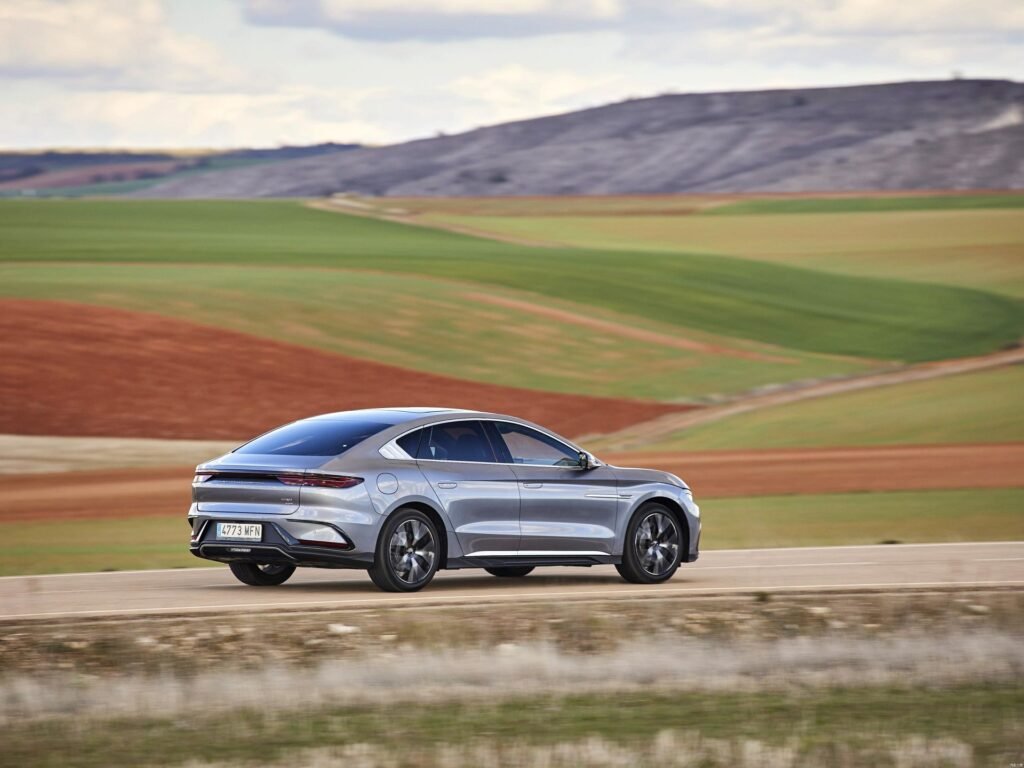
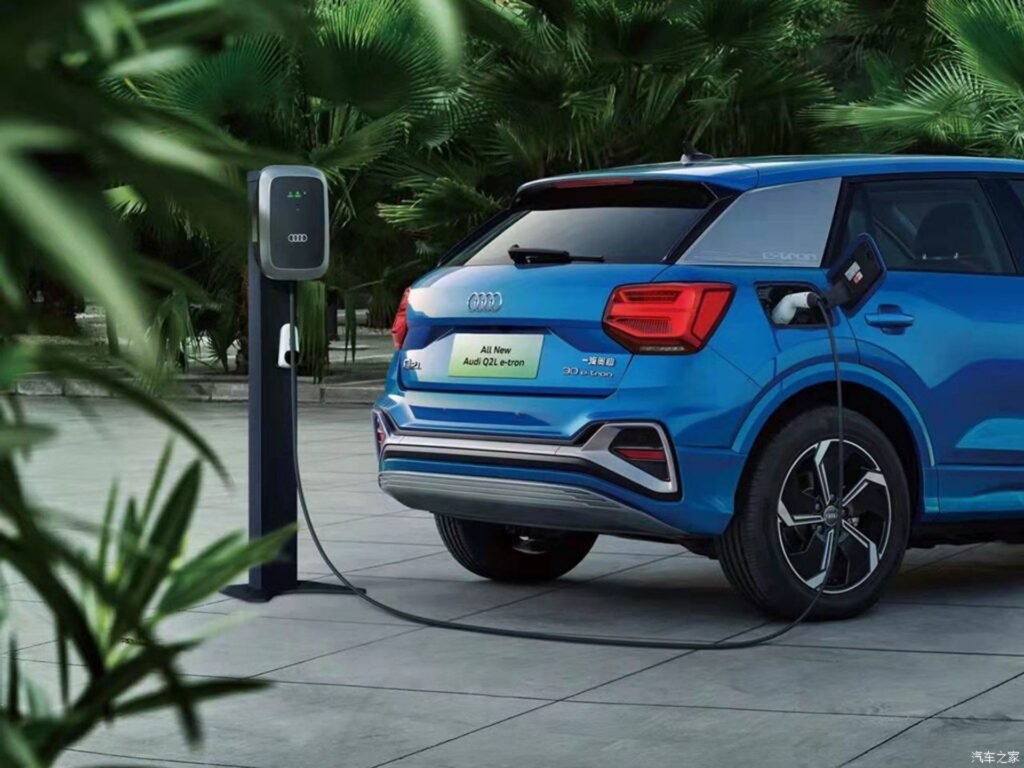
In the new energy vehicle market, various English abbreviations emerge in an endless stream, which is dazzling. These abbreviations represent different technical routes and vehicle characteristics. The following will analyze the meanings and differences of the abbreviations EV, BEV, HEV, and PHEV one by one. EV models: pure electric drive Vehicle We often see the “EV” logo after many Chinese electric models, which stands for Electric Vehicles. This type of vehicle is completely powered by electricity, and the motor layout is flexible and diverse. EV model highlights: rapid motor acceleration, low electricity cost, and worry-free and labor-saving maintenance.EV model shortcomings: battery safety, range anxiety, charging dependence, and time consumption. Suitable for consumers who live in spring-like seasons, have complete charging facilities, and use it for daily commuting. HEV models: Hybrid electric vehicles HEV, or Hybrid Electric Vehicle, does not require additional charging. It can supplement or replace the fuel engine at low speeds such as when the vehicle starts and accelerates, improving fuel economy. Toyota, Honda, and other brands have already made plans, and now Lynk & Co has also joined the HEV camp. HEV model highlights: Compared with the fuel version, fuel consumption is halved, no charging pile is required, and the driving experience is closer to that of a fuel car.HEV model shortcomings: lack of pure electric mode, a higher price than the same fuel car. Before the oil price rises, it may be difficult to save the price difference with the fuel car during the use cycle of the new car. Suitable for consumers who pursue economical fuel consumption, no fixed parking space, and cold winter areas. PHEV models: plug-in hybrid Electric Vehicle PHEV, or Plug-in Hybrid Electric Vehicle, can run on pure electricity, has a larger battery, and requires additional charging. When the battery is low, it switches to a hybrid mode with a fuel engine as the main engine. Brands such as Lynk & Co. and BYD have made plans in this field. PHEV model highlights: dual power system – short-distance pure electric environmentally friendly travel, long-distance hybrid without mileage anxiety. The reverse power supply function expands the use scenario.PHEV model shortcomings: dependent on charging piles, limited reduction in fuel consumption when power is low. The fuel tank is smaller than that of fuel vehicles, and the price is higher than the fuel version. Suitable for consumers who have a fixed parking space to install charging piles (preferably indoors) and take into account commuting and long-distance travel. REEV: Extended-range hybrid, a new choice for new energy REEV, which stands for Range Extended Electric Vehicle, has a fuel engine that only acts as a range extender to charge the battery and does not directly output power. REEV model highlights: The fuel engine is designed for battery charging, with a small displacement, which reduces mileage anxiety.REEV model shortcomings: When the battery is low, the pressure on the small-displacement engine increases, which may lead to increased fuel consumption. It is recommended to keep the vehicle fully charged to extend the life of the range extender. Suitable for consumers who have a fixed parking space (preferably indoors), travel long distances, and can charge in time. Maybe you’d like to read: