Blog

Your blog category

Iveco Daily

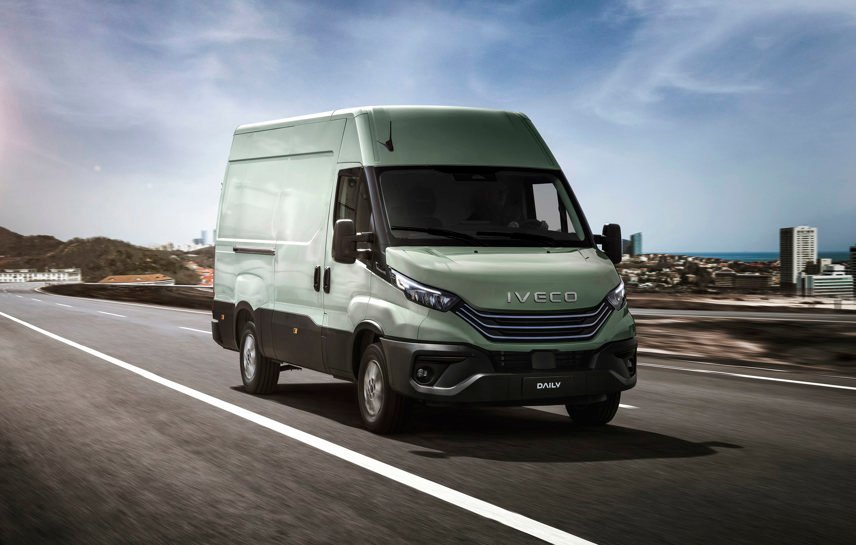
The Iveco Daily is more than a van as, unlike its competitors, it employs a separate chassis and body construction, unlike the unibody construction of rivals like the Mercedes Sprinter and Ford Transit. The result is a tough, heavy-duty van that almost moves into truck territory. With gross vehicle weights ranging from 3.5 to 7.2 tonnes, and body lengths that can run up to 6.75m, there are few jobs the Daily won’t be able to cope with, but that comes with compromises elsewhere. Chief amongst those is payload limits at the lower end of the range. Driving a 3.5-tonne vehicle on a car licence makes life easier for many businesses, but the heavy-duty nature of the Daily means that, while you can have load volumes as large as 19.3m3, the heaviest payload you’ll be able to carry (in a much smaller volume) is just 1,362kg — almost 300kg lighter than a Renault Master can cope with. Three wheelbases, five body lengths, three roof heights and countless gross vehicle weights all combine to leave you picking between an astonishing 8,000 potential models. The most compact model is just over 5m long, with a cargo bay measuring 2,610mm long and 1,450mm high, giving 7.2m3 of load volume. The longest model, at 7,540mm from bumper to bumper, offers 19.6m3 of volume in its 5,125mm by 2,000mm load box. You’ll also find chassis cabs, box vans and crew vans alongside the panel van, as well as a rugged and raised 4×4 model. Power comes from a wide range of engines, from a 2.3-litre diesel offering 116, 136 or 156hp, through a 3.0-litre option with 160, 176 and 207hp options, to another 3.0-litre model fuelled with compressed natural gas. There’s also a pure electric model, the eDaily, with multiple battery options and a range of up to 186 miles in some configurations, and as low as 75 miles in others. The 156hp 2.3-litre diesel with a six-speed manual gearbox delivers solid performance in town and on the motorway. There’s new electric power steering, added in the most recent facelift, which isn’t particularly communicative at high speeds but is a boon for urban driving. Ride quality is fine — and, as with all vans, improves with some cargo in the back — but it’s not as refined as the Mercedes Sprinter or Volkswagen Crafter, even with ‘Air-Pro’ pneumatic suspension. The manual gearbox feels strong but lacks definition and is a little notchy, which makes the slick eight-speed automatic a better choice for most. Compared to the Dailys of old, the latest version’s cab is positively luxurious. Memory foam-covered seats, steering that’s adjustable for rake and reach, a DAB radio, and air conditioning are all fitted as standard. You’ll need to move from the entry-level Business spec to Evolution or top-spec Connect to gain access to potential essentials such as adaptive cruise control, climate control, automatic lights and wipers, and even the 7.0-inch infotainment centre that comes with both Android Auto and Apple CarPlay connectivity. More connectivity is offered with the Iveco On pack, which sees your Daily talking to Iveco’s HQ in Italy. A range of data options are available, but the full package will provide weekly reports on the vehicle’s and driver’s performance, safety on board, remote monitoring of fuel consumption and driving style to allow optimisation of your fleet’s performance, and planning and booking of service appointments to maximise uptime. A driver app allows the person behind the wheel to view the driving style evaluation, access the vehicle’s diagnostics info, and activate Iveco assistance when necessary. There’s also vehicle monitoring and remote assistance, with a proactive approach enabling remote diagnostics tools and over-the-air software updates to anticipate and resolve issues before they arise, reducing downtime. All of this comes at a cost, but Iveco is always cagey about revealing list prices. Don’t expect any change from £30,000 plus VAT at the lower end of the range and more than double that by the time you hit the top models. This makes it a rather expensive option, but one that will work very well if it suits your specific business needs. The Iveco Daily isn’t for everybody, but it is efficient, loaded with helpful tech for fleet managers, and can carry load volumes others can only dream of. Maybe you’d like to read:
Iveco Daily Read More »

Chinese auto giant and Tesla rival BYD to integrate DeepSeek, broaden self-driving tech

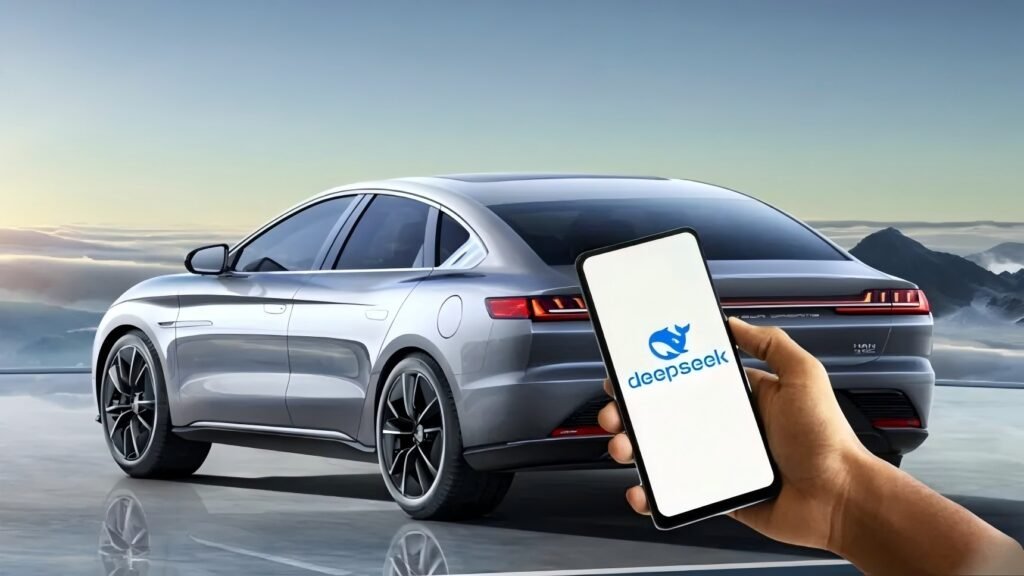
Advanced Self-Driving PushBYD shares surged 4.5% in Hong Kong on Tuesday after announcing plans to deploy advanced autonomous driving systems across nearly all models—including budget options under $10,000—and integrate AI startup DeepSeek’s software, following peers like Geely and Great Wall Motors. As Tesla’s top rival globally, BYD’s move spurred analysts to warn of potential price wars. Tech Specs & PricingThe automaker will equip its “God’s Eye” autonomous system—featuring remote parking and highway navigation—in at least 21 models, including the Seagull hatchback starting at 69,800 yuan (9,550).Tesla offers similar features in its 32,000 EVs. “Autonomous driving is no longer a niche luxury—it’s a necessity,” declared BYD founder Wang Chuanfu during a Monday livestream, predicting the tech would soon become as essential as seatbelts. AI Integration & Market ImpactDeepSeek’s partnership aims to enhance self-driving capabilities and personalize user experiences. The AI firm made waves last month with a low-cost ChatGPT rival. BYD’s stock rally follows a 20% pre-announcement surge, reflecting investor optimism. China’s EV BattlegroundIn the world’s largest auto market, a prolonged EV price war intensified as 10.8 million electric/hybrid vehicles sold in 2023—up 40% year-on-year. BYD dominated with 4.2 million sales, surpassing Tesla’s revenue in Q3 2023. Maybe you’d like to read:

Chinese auto giant and Tesla rival BYD to integrate DeepSeek, broaden self-driving tech Read More »

EV Popularity Surges in Saudi Arabia

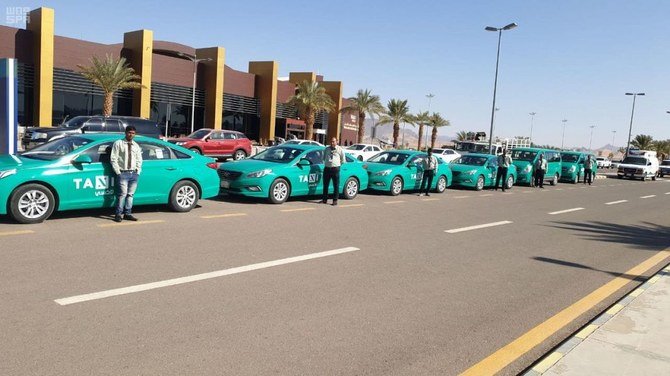
Over 70% of Saudi drivers intend to buy battery-electric vehicles (EVs) next, per an AlixPartners survey of 10,000 consumers across nine countries.Global Shift Accelerates, Regional Gaps RemainEV adoption is rising worldwide, but growth varies by region. While the U.S. (35%) and Europe (43%) show stable interest, China now dominates with 97% of consumers favoring EVs.China’s EV Boom Fuels DominanceThe surge in China stems from its rapidly expanding domestic EV sector, which delivers affordable, tech-driven models appealing to cost-conscious, style-focused buyers. “The US and Europe, traditional trendsetters in consumer preferences, are falling behind in EV adoption as charging infrastructure concerns persist among buyers, with plug-in hybrids (PHEVs) increasingly viewed as viable alternatives to pure battery-electric vehicles,” noted Alessandro Missaglia, a UAE-based partner and managing director at consultancy AlixPartners. In Saudi Arabia, the sole Middle Eastern country analyzed, 70% of residents express strong or moderate interest in purchasing battery-electric vehicles. However, this figure is projected to climb to 85% by 2035, underscoring substantial growth opportunities for the EV sector in the region over the next decade. The China ConnectionThe AlixPartners study highlights rising Saudi consumer awareness of Chinese automotive brands, mirroring a global industry trend. “Notably, 93% of Saudi buyers open to battery-electric vehicles recognize at least one Chinese brand, with BYD leading in visibility. This far exceeds global averages, where awareness ranges between 47% and 71%,” Missaglia observed. Similar to Western markets, Saudi green vehicle adopters are increasingly opting for plug-in hybrids. “This pivot reflects a demand to balance practicality with eco-consciousness as consumers navigate charging and range limitations. Traditional industry players now face dual pressures: meeting current preferences while investing in future technologies,” he added. Maybe you’d like to read:

EV Popularity Surges in Saudi Arabia Read More »

Jetour to Launch 7 Models in South Africa by 2026-27

Jetour, a Chery Group subsidiary, plans to launch seven models in South Africa by 2026-2027, including two Shanhai sub-brand vehicles rebadged as Jetour: Jetour T5 (2026):Plug-in hybrid (PHEV) SUV with 2.0L turbo engine + dual electric motors (claimed 560kW/795Nm).Targets adventure SUV segment, rivaling Nissan Patrol/Toyota LC300.5,400mm length; pre-production model showcased in Beijing (2024).Jetour P5 (2027):Mid-size PHEV pickup to compete with Ford Ranger/Toyota Hilux.Specs unconfirmed, but design cues likely from Zongheng F700 concept.Additional Notes:Jetour may rebadge Shanhai models (T5, P5) under its own brand, mirroring Omoda’s strategy with the C9.Shanhai’s L6 PHEV (based on Dashing SUV) could become SA’s most affordable PHEV (est. R600k-R800k vs. BMW X1 30e’s R1.05M).Other Jetour models (T0, T1, T2) will use non-hybrid turbo-petrol engines. Maybe you’d like to read:

Jetour to Launch 7 Models in South Africa by 2026-27 Read More »

GWM Tank 300 Diesel Debuts to Challenge Fortuner and Everest

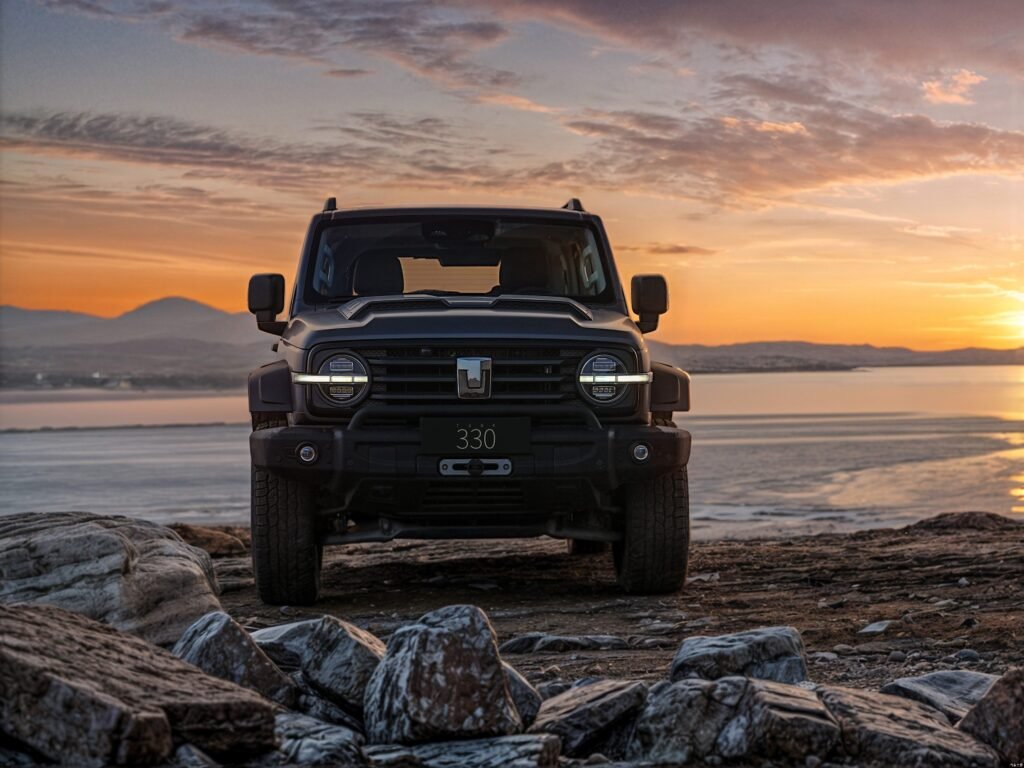
GWM has introduced a 2.4L turbodiesel engine to its rugged Tank 300 SUV, targeting rivals like the Toyota Fortuner and Ford Everest. The move follows sluggish sales of its existing 2.0L turbo-petrol and hybrid variants, which failed to surpass 100 units year-to-date in South Africa. The new diesel unit delivers 135 kW and 480 N·m, paired with a 9-speed automatic transmission, and claims a combined fuel economy of 7.7 L/100 km—outperforming its petrol (9.5 L) and hybrid (8.4 L) counterparts. Retaining its off-road prowess, the Tank 300 boasts a 700 mm wading depth, 224 mm ground clearance, seven driving modes, tank-turn functionality, and advanced terrain cameras for obstacle visibility. Inside, the SUV features heated/ventilated Nappa leather seats, dual 12.3-inch screens, 64-color ambient lighting, and Level 2 autonomous driving tech backed by a 5-star ANCAP safety rating. GWM offers a 7-year/200,000 km warranty, 7-year unlimited roadside assistance, and a 7-year/75,000 km service plan. Maybe you’d like to read:

GWM Tank 300 Diesel Debuts to Challenge Fortuner and Everest Read More »

3 Asian Carmakers Dominate South Africa’s Affordability-Driven Auto Market

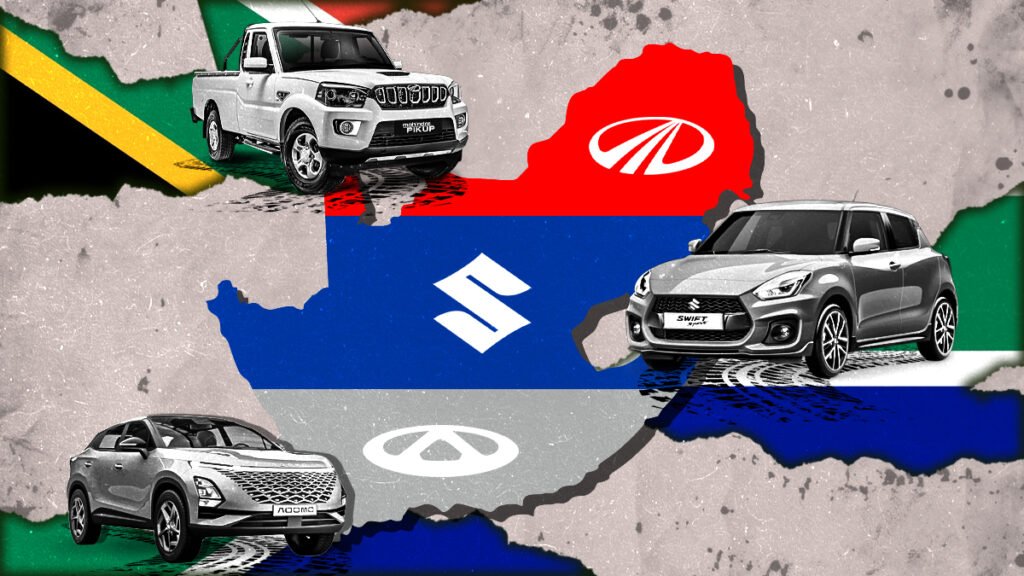
South Africa’s automotive sector is undergoing a significant shift as budget-conscious consumers increasingly favor affordable Asian brands like Chery, Mahindra, and Suzuki, while premium European marques struggle. According to TransUnion’s Q4 2024 Vehicle Price Index, new car prices rose 1.7% due to supply chain and production costs, while used vehicle prices dropped 2.8%, reflecting strong demand for cost-effective options. Financing trends underscore this shift: used car loans outpaced new vehicle financing 1.56-to-1, and Standard Bank reported a 9.3% quarterly surge in auto loan applications—the sharpest rise in two years. However, most buyers opted for second-hand cars amid strained household budgets. Asian brands thrived, with Mahindra, Chery, and Suzuki posting year-on-year sales growth of 37.4%, 23.7%, and 22%, respectively. Suzuki’s decade-long expansion—from 6,402 units sold in 2014 to 56,109 in 2024 (776% growth)—propelled it past Volkswagen in early 2025 to become South Africa’s second-best-selling brand behind Toyota. Its Swift model broke records with 2,628 units sold in a single month, briefly overtaking the Toyota Hilux as the top-selling vehicle. Chery also saw explosive growth (1,435% since 2014), aided by its sub-brands Omoda and JAECOO. In contrast, Nissan, Mercedes-Benz, Renault, and BMW faced declining sales. NADA attributes this trend to South Africa’s price-sensitive market, where most buyers target sub-R350,000 vehicles. Chinese brands, offering advanced tech and premium features at accessible prices, are now perceived as strong alternatives to traditional luxury marques. With affordability paramount amid high inflation and interest rates, Asian automakers are redefining the market’s landscape. Maybe you’d like to read:

3 Asian Carmakers Dominate South Africa’s Affordability-Driven Auto Market Read More »

Why Xiaomi Made Electric Cars and Apple Didn’t

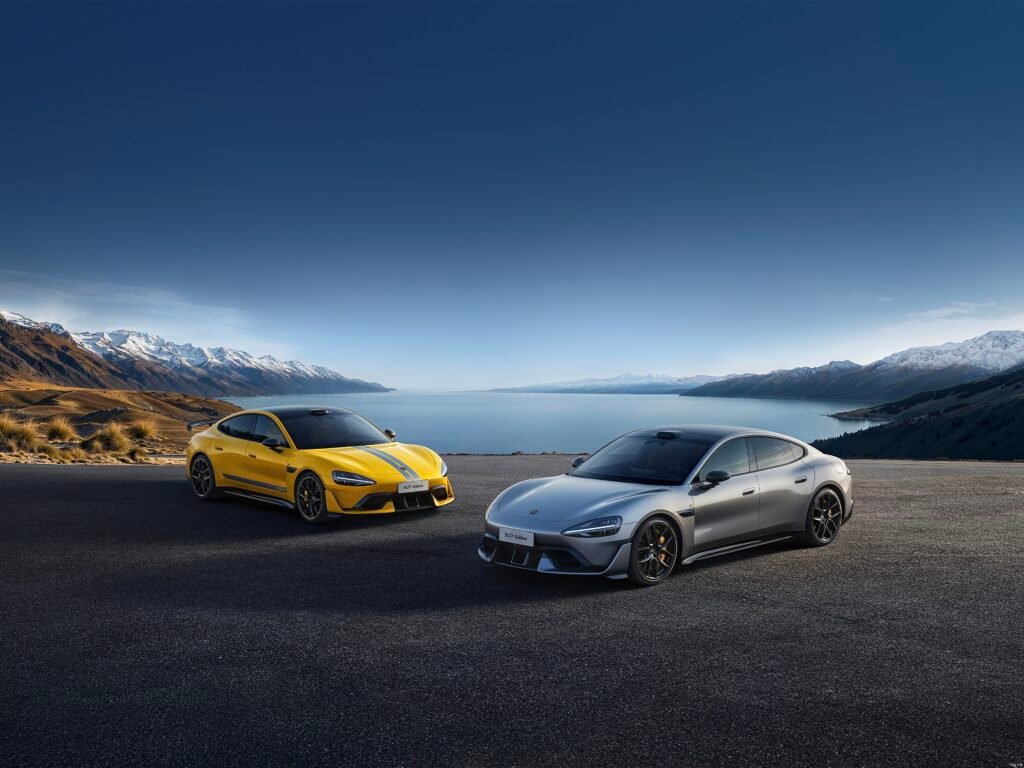
After nearly a decade of effort, Apple abandoned its electric car project last year, canceling a venture that consumed $10 billion. In contrast, Chinese electronics giant Xiaomi successfully launched its first electric car, the SU7, in just three years. In 2024, Xiaomi delivered 135,000 vehicles and aims to double that number this year. While the SU7 accounts for only a fraction of sales compared to China’s top EV makers, it has positioned Xiaomi as a serious competitor in the premium car market, challenging foreign automakers’ dominance. For instance, Porsche’s deliveries in China dropped nearly 30% following the SU7’s launch. Recently, Xiaomi unveiled the high-end SU7 Ultra in Beijing, alongside a premium smartphone model. The company showcased the car’s performance by racing a prototype at Germany’s Nürburgring, claiming a record for the “fastest four-door sedan.” However, Xiaomi faces challenges, losing $9,200 per car delivered, while Apple continues to enjoy healthy profit margins, as seen in its Q4 results. Despite this, Xiaomi’s bold move into the EV market highlights its ambition to innovate and compete globally. Maybe you’d like to read:

Why Xiaomi Made Electric Cars and Apple Didn’t Read More »

Jetour Unveils Spy Photos of Updated Shanhai L9 PHEV

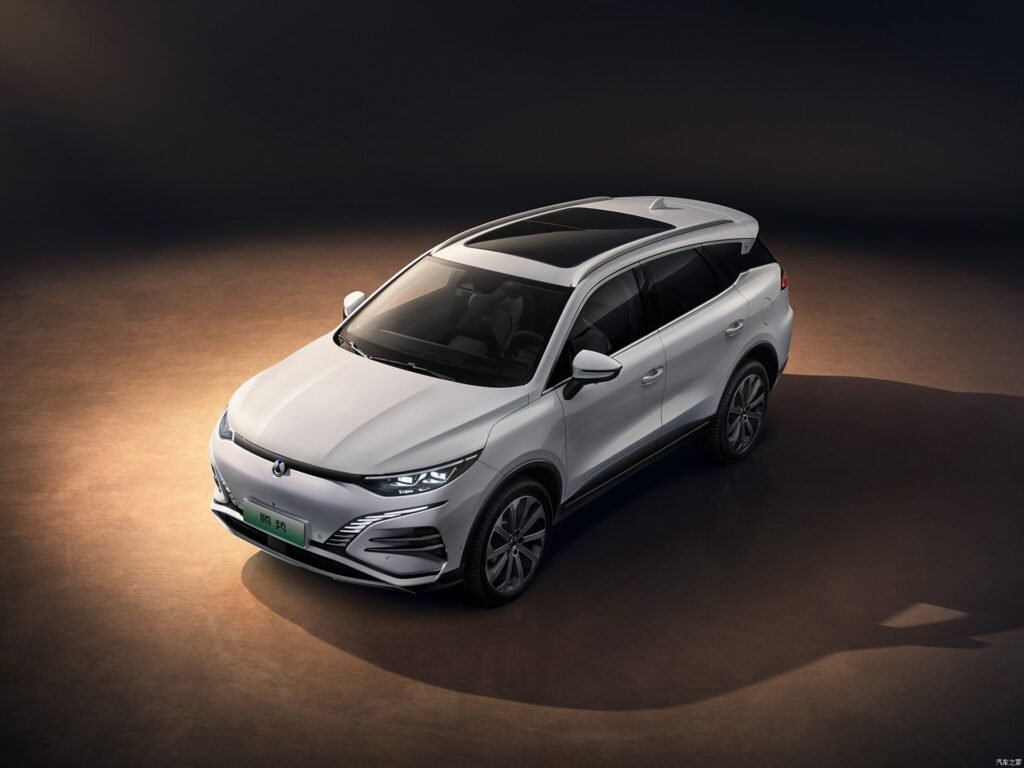
Jetour officially released spy photos of its camouflaged new Shanhai L9 SUV on February 10th. Highlights from the cover include “zero gravity seats,” “immediate availability,” “500,000 yuan (approx. $68,400) luxury experience,” “cinema-style massage seats,” “270° queen co-pilot seat,” “6.6 kW external power supply,” and a “lifetime warranty.” The medium-sized, 7-seater Jetour Shanhai L9 PHEV, part of Jetour’s Shanhai series, debuted in November 2023 with prices ranging from 166,900 to 188,900 yuan (23,000−26,000). It measures 4862/1925/1784 mm and has a 2850 mm wheelbase. In 2024, only 12,909 units were sold. The updated model is expected to be 49 mm longer, with a revised front closed face and retained through-type headlights. The rear design will remain largely unchanged. According to Chinese MIIT data, the new Shanhai L9 will feature a 1.5T turbocharged engine (model SQRH4J15). With fast charging, it gains 200 km of range in 10 minutes. The current version combines dual front permanent magnet synchronous motors (199 kW/267 hp, 395 Nm) with a 115 kW (154 hp) engine for a total system power of 314 kW (421 hp). CLTC pure electric ranges are 55 km and 108 km. Additional powertrain details have not been disclosed. Stay tuned for updates. Maybe you’d like to read:

Jetour Unveils Spy Photos of Updated Shanhai L9 PHEV Read More »

Rumors Surface of Potential Dongfeng-Changan Merger to Create China’s Largest Auto Group

On February 9th, Dongfeng Motor Corporation (including Dongfeng Motor Group and Dongfeng Honda) and China South Industries Group (CSGC, parent of Changan Motors) jointly announced ongoing discussions with other state-owned enterprises (SOEs) regarding restructuring. These announcements clarified that corporate ownership would remain unchanged, with the State-owned Assets Supervision and Administration Commission of the State Council (SASAC) continuing as the ultimate controlling shareholder. However, some controlling shareholders may change. Industry speculation has surged due to the timing of these announcements, hinting at a possible merger. A combined Dongfeng-Changan could achieve annual sales exceeding 4.5 million vehicles, surpassing BYD. SASAC’s recent drive to optimize SOEs aligns with this restructuring, aiming to reduce internal competition and promote specialization. However, a full merger faces challenges due to differing ownership structures and potential brand cannibalization. Integration of management structures and complex capital restructuring would also be required. A “alliance model” has been speculated as an alternative, allowing strategic cooperation in R&D, supply chains, and international expansion while preserving brand independence. The Renault-Nissan-Mitsubishi Alliance serves as a relevant example. Maybe you’d like to read:

Rumors Surface of Potential Dongfeng-Changan Merger to Create China’s Largest Auto Group Read More »

Sur-power Technology Thailand Company Sets Sail | “Digital Marketing” Opens a New Chapter in Overseas Marketing of Chinese Auto Brands!

Surpower Technology Thailand Company Sets Sail | “Digital Marketing” Opens a New Chapter in Overseas Marketing of Chinese Auto Brands! On December 18, 2024, a new force was added to the brand marketing field of the Thai automotive industry. Zhuolixin Co., Ltd. (stock code 871003), an expert in the new marketing field of the Chinese market, and YouMeThaiBuy, a local Thai partner, held a signing ceremony to formally establish Surpower Technology Thailand. The joint venture is committed to becoming a one-stop solution service provider for Chinese auto brands going overseas. Representatives of auto brands in the Thai market, such as Nezha, SAIC Zhengda, Great Wall, Zeekr, etc., auto agency and sales group 14ATUO, new energy vehicle industry chain and service provider Tianlong Electronics Salom/JATO Thailand/SAWTEST, Thailand’s leading website in the Chinese community in Thailand/APLUS and other relevant leaders and guests attended the event to witness it, and the city lord was also fortunate to participate in and witness this event. Professionals and guests from all parties believe that this cooperation between the two sides is a strong combination of excellent service providers from China and Thailand. The two sides have been deeply engaged in their respective professional fields for decades and have achieved complementary advantages in the new marketing field between China and Thailand. I believe that this cooperation will definitely achieve the established goals of both parties and jointly commit to assisting the brand promotion and dissemination of Chinese new energy vehicles in overseas markets to achieve true internationalization, localization and compliance, and strive to establish a solid export alliance relationship between Thailand and Chinese brand cars. After the signing ceremony, the 2025 Thailand New Energy Vehicle Market Insight Salon was held. Guests from new energy vehicle brands, car agents and sellers, and industrial chains gave professional and wonderful debates from different angles. The guests elaborated on the troubles of new energy vehicles in 2024 and the outlook for 2025. Regarding integration into the Thai market, the guests proposed from the Buddhist culture that the relationship between people and brands needs to be cut from the heart, and good product dissemination needs to impress people; for brand value, the guests proposed that the price reduction of new energy vehicles and the low residual value will reduce the willingness of Thai customers to buy, as well as the problem of brand cultural symbol construction. The brand guests gave many suggestions on the marketing strategy of Chinese brands in the Thai market from a high-level perspective. Huang Xiaoxing, general manager of Surpower Technology, said that the Surpower Technology Thailand team is willing to listen to the demands of all parties in the industry chain, accurately understand the needs and wishes of Thai customers, and achieve effective communication, thereby assisting the outstanding Chinese new energy vehicle industry chain to obtain a larger market share in response to various internal and external competitions. Maybe you’d like to read:

Sur-power Technology Thailand Company Sets Sail | “Digital Marketing” Opens a New Chapter in Overseas Marketing of Chinese Auto Brands! Read More »