High oil prices and a cautious consumer mood have pushed China’s passenger car market into a significant downturn, yet a few electric vehicle (EV) players are rewriting the rules of success.
According to the latest industry data, total retail sales of passenger vehicles for the first half of 2026 reached 8.701 million units, a sharp 20.2% decline year-over-year. The pain is not evenly distributed: traditional internal combustion engine vehicles are bearing the brunt of the slowdown, while the electric vehicle sector shows a more complex, winner-take-most dynamic.
Top Performers: Who’s Winning and Why?
Amid the contraction, Geely Auto stood out as the only manufacturer to exceed one million units in sales, showcasing its resilient product portfolio. However, the biggest headlines belong to two disruptors:
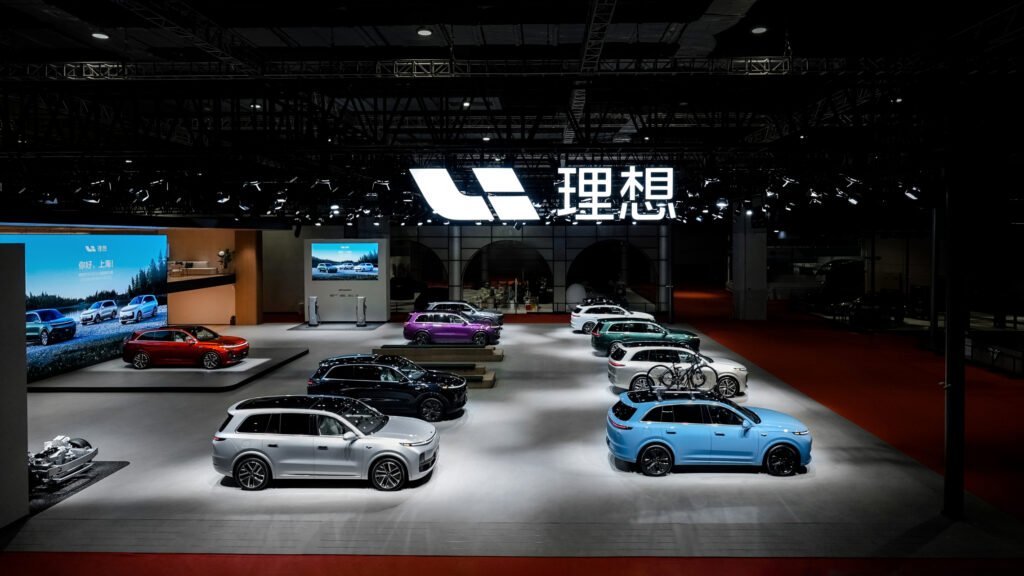
- LI i6 (Li Auto): The Undisputed Dark Horse – The Ideal i6 SUV has taken the market by storm, soaring to second place in the SUV segment, trailing only the Tesla Model Y. Its success underscores a sustained consumer preference for spacious, family-oriented electric SUVs that solve real-world range and comfort concerns.
- Leapmotor: The Only Positive Growth Story – In a striking achievement, Leapmotor broke into the top 10 manufacturer rankings and was the sole brand to post year-on-year sales growth. This performance validates its strategy of offering high-value electric vehicles at accessible price points.
Other notable comebacks include the MG4, which after a full model redesign, has bounced back strongly to re-enter the top 10 sedan sales chart.
Segments in Flux: SUVs Dominate, Sedans See Shifts
The SUV rankings tell a clear story of Chinese brand dominance. Beyond the Model Y, the top five spots were exclusively held by domestic marques, with the Geely Boyue L maintaining steady monthly sales above 10,000 units and new models like the Xiaomi YU7 and BYD Sealion 06 posting encouraging debut numbers.
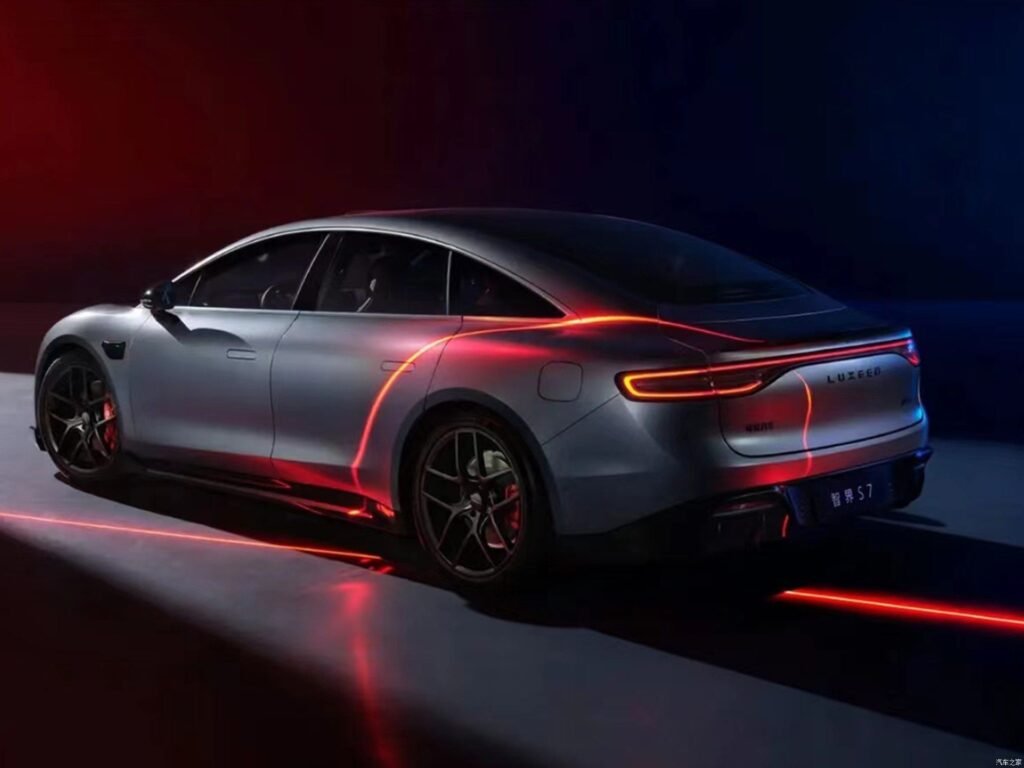
The sedan segment, however, reveals a cooling of former hype. The Xiaomi SU7 saw its first-half sales nearly halve compared to last year, while the once-ubiquitous Wuling Hongguang MINIEV sold less than half its previous volume. This suggests that the initial wave of novelty-driven purchasing is giving way to more discerning consumer choices. Meanwhile, reliable fuel-sippers like the Volkswagen Lavida and Nissan Sylphy maintain a loyal, albeit shrinking, following.
Key Takeaways for the Industry
The H1 2026 data offers a clear verdict on the current state of the Chinese auto market:
- The “Electric Hype” Phase is Over. Simply being an EV is no longer enough. Models like the Xiaomi SU7 and Wuling MINIEV demonstrate that without strong product fundamentals and clear positioning, even massive initial buzz can fade quickly.
- Family-First Design Wins. The Ideal i6’s performance proves that addressing the practical needs of family buyers – space, range, and comfort – is a winning formula in the mainstream SUV market.
- Value is a Powerful Moat. Leapmotor’s positive growth during a market slump highlights the resilience of a strong value-for-money proposition.
Looking Ahead
The second half of 2026 will likely see intensified competition as automakers scramble to adapt. For consumers, this means more compelling choices and better deals. For manufacturers, the message is clear: differentiation, user-centric design, and cost-effectiveness are no longer advantages – they are survival necessities in a rapidly maturing market.