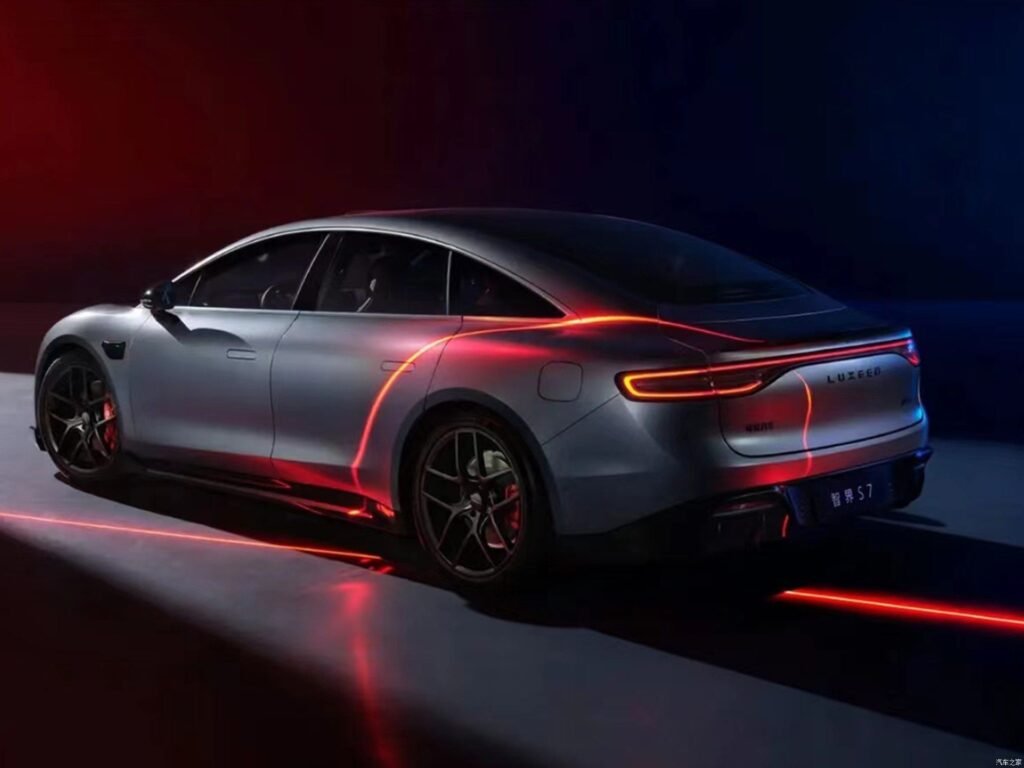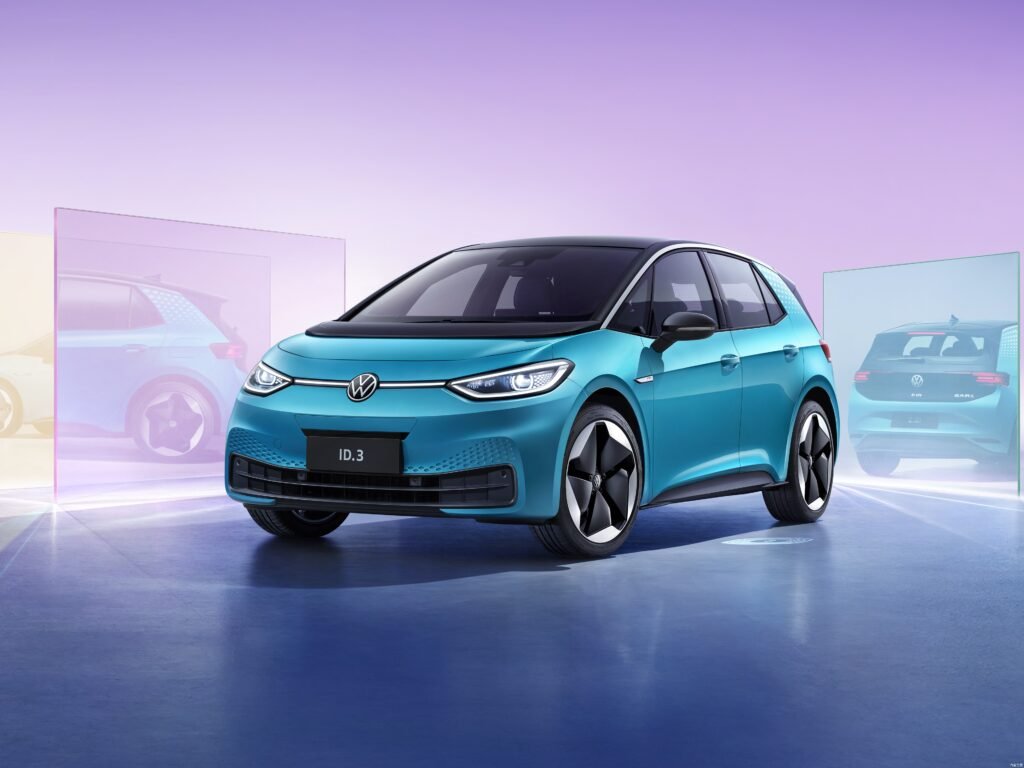
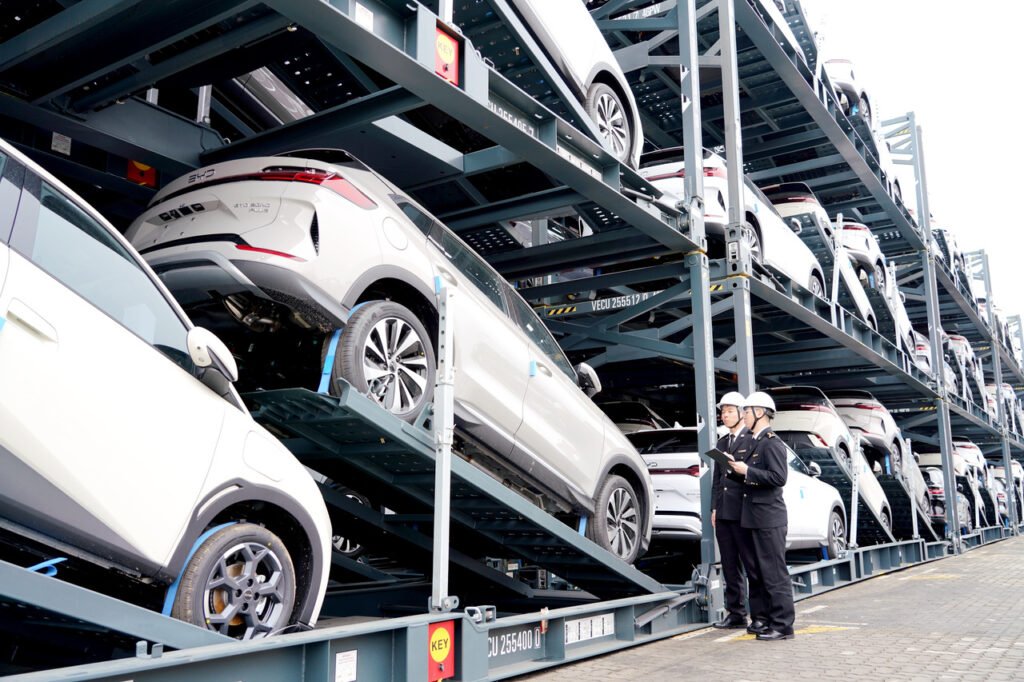
As China solidifies its status as the world’s top vehicle producer, its homegrown brands are making significant inroads into global markets. Consequently, the demand for importing Chinese-made automobiles has never been higher.
With the proper knowledge, bringing a car from China to your country can be a seamless experience. Still, the multi-step nature of the process can feel daunting. This article provides a clear, step-by-step breakdown to help you navigate it with confidence.
3 Key Advantages of Sourcing Cars from China
Before we get into the practical steps, let’s look at why importing from China is an attractive option.
- Cost-Effectiveness Driven by Market DynamicsIntense rivalry among local Chinese manufacturers has sparked competitive pricing, prompting global giants like VW, Audi, BMW, and Mercedes to adapt their offers for the local market. This creates a notable pricing gap, making vehicles sourced from China more affordable compared to those from regions with less aggressive pricing strategies.
- Proven Quality and Tech InnovationOutdated perceptions about Chinese vehicle quality are fading. Brands like BYD and Zeekr are earning international acclaim for their durability and cutting-edge technology. As China’s production standards continue to rise, the overall build quality of its exports sees consistent improvement.
- Streamlined Export ProceduresAlthough the process might seem intricate, China actually has one of the more straightforward export systems for automobiles, thanks to its export-oriented economy. This often makes it simpler than navigating the import/export regulations of many European or American countries.
The Import Process: 8 Clear Steps
Let’s demystify the journey from purchase to delivery with these eight essential stages.
1. Locate a Trustworthy Vehicle Supplier
Your first and most critical task is finding a dependable supplier in China. A reliable partner will simplify every subsequent step.
ICHELABA MOTOR is a solid, reputable choice for sourcing Chinese vehicles. We can serve as your local agent, managing all the complex details on your behalf. If you’re exploring the idea of importing, reach out to our team today for a hassle-free experience.
2. Choose Your Car and Agree on Price
Selecting the right model is the fun part. However, it’s vital to concurrently confirm that your chosen vehicle is eligible for import into your home country.
Take the 2024 Volkswagen T-ROC 300TSI Starlight R-line, for example—a popular pick for the Algerian market. It features a 1.5T turbo engine, black roof, ‘R-line’ badging, and a full suite of VW IQ.Drive tech, including L2 assistance, adaptive cruise, 12 ultrasonic sensors for auto-parking, heated steering, and a Beats sound system. Our team can provide more details on this and other models.
3. Handle Local Registration and Compliance in China
Before your vehicle departs, it must be officially registered with Chinese authorities. It will also undergo a physical inspection to verify its condition, and all necessary export compliance certificates must be obtained.
4. Complete Pre-Export Formalities
You’ll need to secure export permits and file the required customs paperwork to start the shipping process. This can be done independently or with professional help. Commonly required documents for this stage include:
- Bill of Lading
- Commercial Invoice
- Vehicle Certificates
- Export Licenses and Permits
5. Get a Full Picture of the Costs
Understanding all associated fees is essential to avoid surprises. While your import partner can give you an estimate, you should account for the following:
- The vehicle’s invoice price
- Value Added Tax (VAT) or Goods and Services Tax (GST)
- Modifications needed to meet your local standards
- Export clearance fees in China
- Freight and marine insurance
- Import processing and customs duties
- Inland transport, storage, and delivery charges at the destination
- Registration and insurance fees in your country
6. Select a Shipping and Logistics Partner
Choosing the right logistics company is key to a safe and timely delivery. Discuss shipping costs, transit durations, and port options, and decide on the best method for you:
- Roll-on/Roll-off (RoRo) on a specialized carrier
- Full Container Load (FCL) for exclusive use
- Shared container services (LCL) for smaller shipments
7. Go Through Customs Clearance and Pay Duties
Upon arrival at your destination port, local customs will review your documentation and assess the applicable duties and taxes. Your car will also need to pass a local compliance inspection to ensure it’s not stolen and meets roadworthiness standards for your country.
8. Finalize Local Registration and Compliance
After clearing customs, the final steps are governed by your local motor vehicle authority. They may request additional modifications to meet safety or environmental rules, or ask you to remove any non-compliant items.
Be mindful that some countries have restrictions on vehicle age or type. The general registration procedure, which varies by location, usually involves:
- Submitting your import and ownership documents
- Passing a mandatory safety inspection
- Meeting local emission standards
- Procuring vehicle insurance
- Paying applicable registration fees and taxes
Final Verdict: Is It Worth the Effort?
In short, importing a car from China is often a highly rewarding venture, given its favorable pricing and relatively simple export framework. We’re here to make it even easier. ICHELABA MOTOR is your reliable partner for navigating the Chinese auto market. We’re committed to supporting you from start to finish. For specific advice on importing to your country, please reach out via our Facebook page or contact our customer service team. We look forward to helping you!