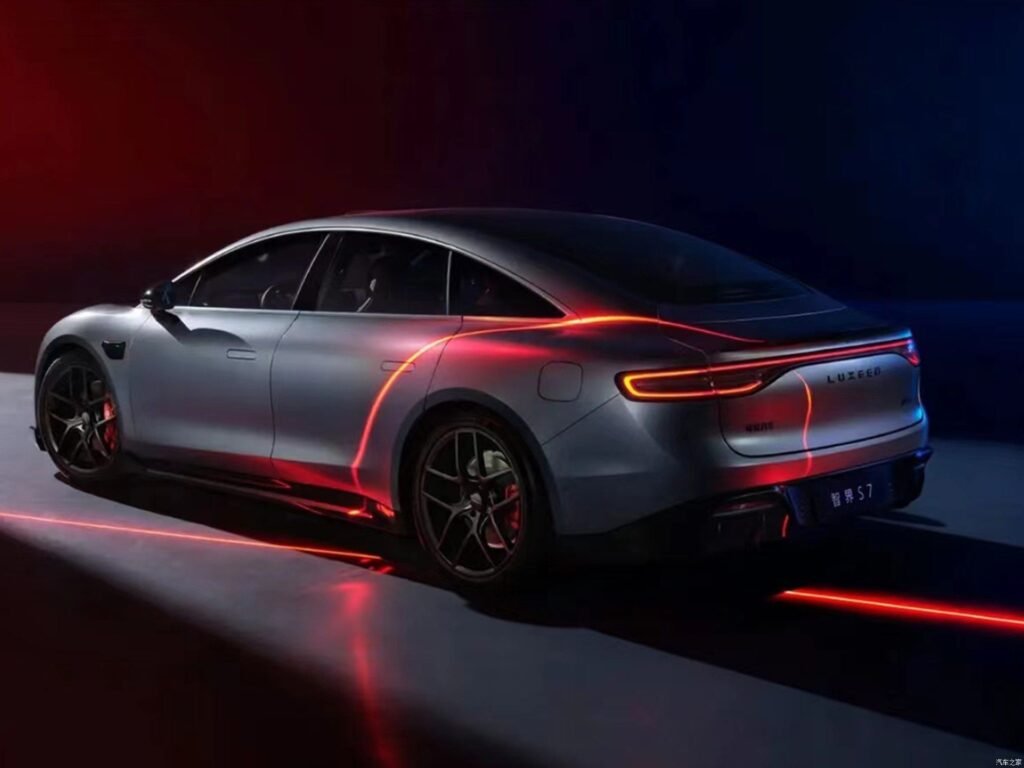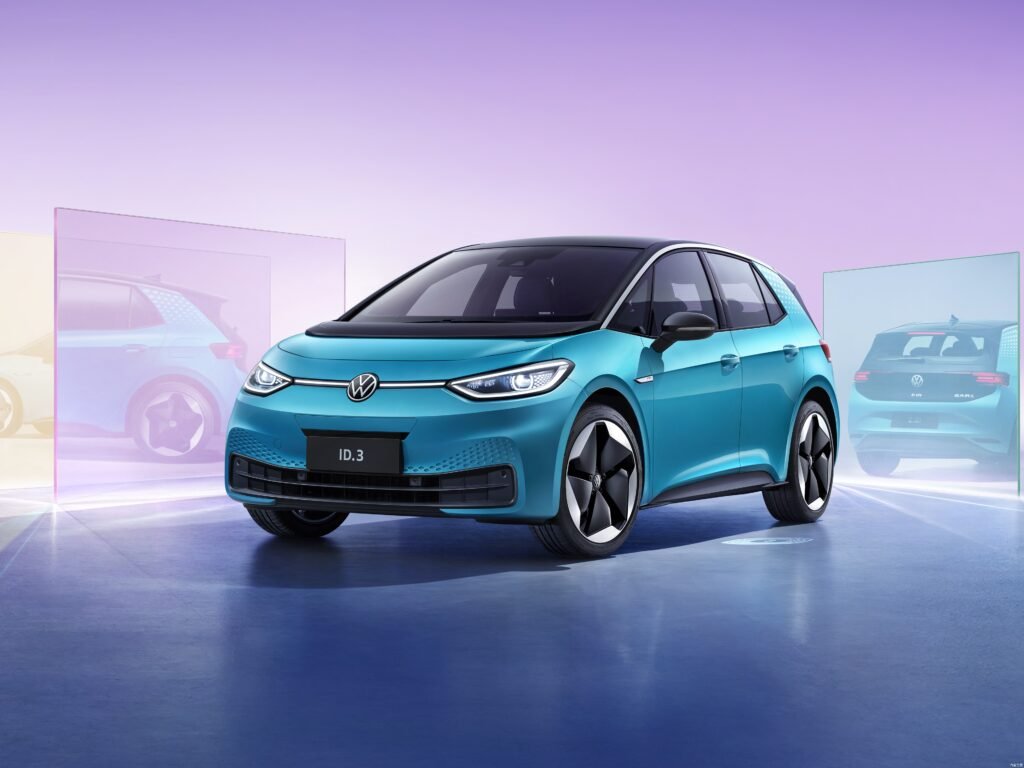
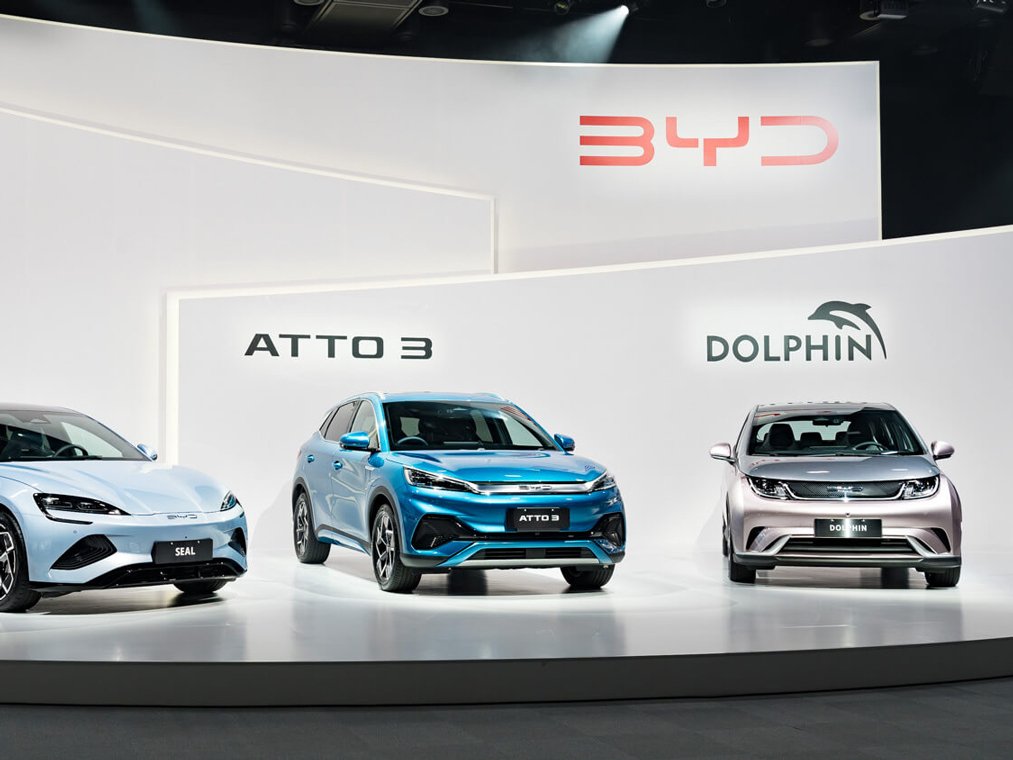
With crude oil prices exploding, overseas consumers are feeling the pain first. For those who don’t see prices coming down anytime soon, electric vehicles – especially used ones – have suddenly become a hot commodity.
Consider this: after the latest oil price spike, BYD’s ad traffic in the UK jumped 77%. Even more striking, searches for used BYDs surged 375% (Source: Financial Times).
Chinese EVs, particularly second-hand models, are winning on price and low running costs. This naturally raises a historic question: 50 years ago, an oil shock helped Japanese fuel-efficient cars break into global markets. Could this crisis be the golden opportunity for Chinese EVs to go global?
Why Chinese EVs Are Winning Overseas – For Now
Two major factors are driving this wave:
- Chinese EVs are genuinely cost-competitive.
According to Boston Consulting Group, Chinese EVs have a cost advantage of 60-75% over European rivals. A car that costs 100,000 RMB to build in China would cost at least 160,000 RMB to build in Europe. At home, BYD has been promoting “electric cheaper than fuel” for years. Price remains a powerful weapon. - Legacy automakers are pulling back on EV investment.
Stellantis took a €25.4 billion write-down. Ford took 19.5billion.GMtook6 billion. Even Lamborghini and Bentley are cutting EV budgets. Why? Because outside China, the EV market is looking grim:
China is too competitive for most foreign brands.
The U.S. – once a stronghold – just eliminated the $7,500 EV tax credit under the Inflation Reduction Act, chilling demand.
Europe imposed minimum prices and a 10% tariff on Chinese EVs to protect local makers.
With weak prospects, legacy automakers are reluctant to invest heavily in EVs.
So, Is Global Success Guaranteed?
Not so fast. While the search interest is real, consumers are cautious. A car is a high-cost durable good. Would you switch to an EV just because of a short-term price spike? Most people will wait six to twelve months to see if high oil prices persist.
Furthermore, high oil prices raise the cost of living. If incomes don’t keep pace, consumers may delay big purchases like cars or refrigerators. Morgan Stanley data suggests that higher oil prices may actually reduce car-buying intent in the short term.
Most importantly, the Japanese automakers succeeded by replacing big gas engines with smaller ones – using the same fuel infrastructure. China’s path is different: replacing fuel cars with EVs depends heavily on charging or battery-swap stations. Building that infrastructure requires not just carmakers, but local governments and resources.
The Real Takeaway: Localization, Not Just Exporting
High oil prices will certainly boost attention and create a “small spring” for Chinese EV sales overseas. But they are not a magic bullet for rapid global domination.
For Chinese EVs to truly rise, they need to master localization. That means:
Global supply chain coordination
Local manufacturing plants
Integrating with local communities – creating jobs and providing quality products, not just taking profits
As the original article concludes: The key is to make local people feel you’ve come to contribute, not just to earn.
What do you think? Will this oil shock be the window Chinese automakers need – or is the road to global success still long?