17 fuel models topped 10,000 monthly sales in June. Does this signal a revival for gasoline cars in China? Not quite.
China’s auto market remained in the doldrums in June 2026, with overall sales falling 23.2% year-on-year. Yet beneath the surface, a notable rebound emerged among the top-tier fuel vehicle models – sparking debate about whether the internal combustion engine is staging a fightback.
Let’s look at the numbers:
| Month | Models with 10,000+ sales | Total volume (units) | Best-seller |
|---|---|---|---|
| May | 13 | 153,900 | Geely Boyue L (13,395) |
| June | 17 | 214,100 | Toyota Camry (17,114) |
On the surface, this is a solid recovery – an extra 4 models and over 60,000 more units month-on-month. However, industry analysts at CAR Luli argue this is not a counterattack, but an adaptation.
Why the rebound happened
1. Deep discounts triggered pent-up demand.
June is a critical month for automakers to hit half-year sales targets. As a result, mainstream brands (joint-venture brands) slashed prices by 30,000–50,000 RMB on mid-size sedans, compact SUVs, and mid-size SUVs – with some models offering over 30% off. This created a “value upgrade” moment: buyers could now afford a mid-size car with what used to be a compact-car budget. That explains why models like the Camry, Passat, RAV4, and Tiguan L topped the charts, while once-dominant budget models like the Nissan Sylphy and Toyota Corolla continued their decline.
2. Fuel vehicles are quietly turning “electrified”.
Perhaps the most telling trend: almost none of the 17 best-selling “fuel” models are purely gasoline-powered anymore. Most now offer hybrid (HEV) or plug-in hybrid (PHEV) variants as their mainstream trims. For example:
- Toyota’s Camry, Frontlander, Wildlander, and RAV4 are now dominated by dual-hybrid versions.
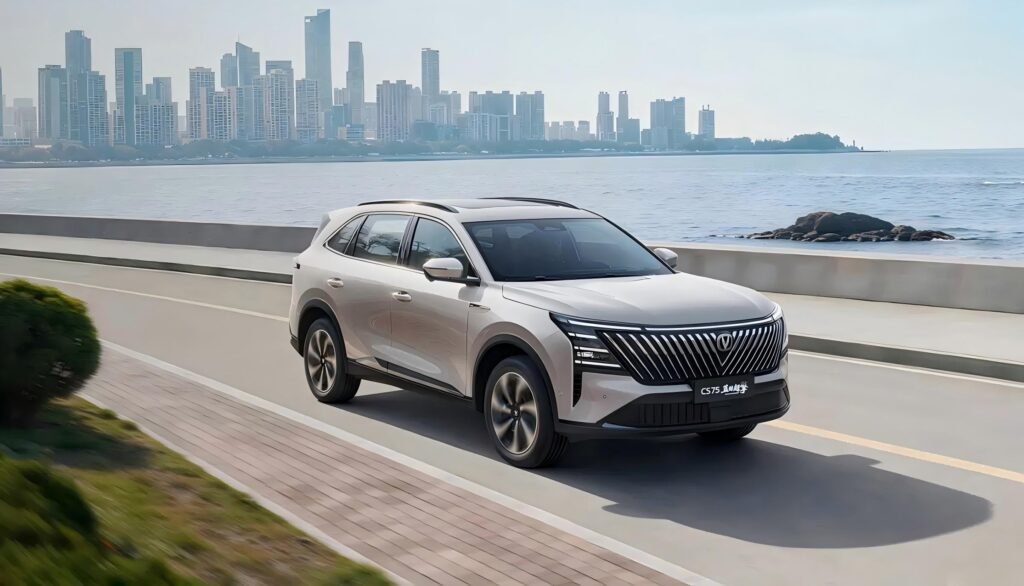
- Chinese brands like Changan CS75PLUS, Geely Boyue L, and Geely Xingyue L have all launched HEV variants.
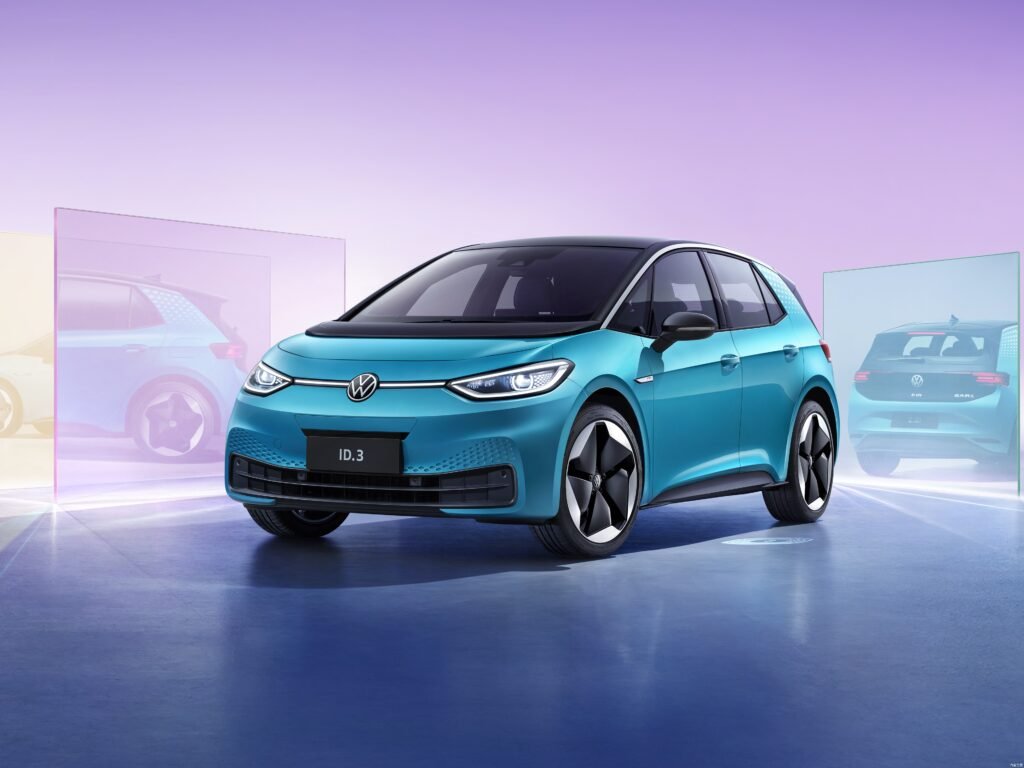
- Volkswagen recently rolled out a wave of PHEV models.
This blurring line between fuel and new energy vehicles is reshaping the entire category. As the author puts it: automakers aren’t clinging to pure combustion – they’re evolving.
What this really means
With NEV penetration still holding above 62%, the fuel vehicle segment as a whole continues to shrink. The June rebound reflects two forces at work:
- Price realignment, which temporarily boosts demand from budget-conscious buyers.
- Hybridization, which keeps fuel vehicles relevant by borrowing from the EV playbook.
The bottom line
This is not a reversal of the electric trend – it’s a convergence. Fuel vehicles are not disappearing overnight, but they are surviving by becoming more affordable and more electrified. In the long run, the paths of gasoline and new energy are leading to the same destination.