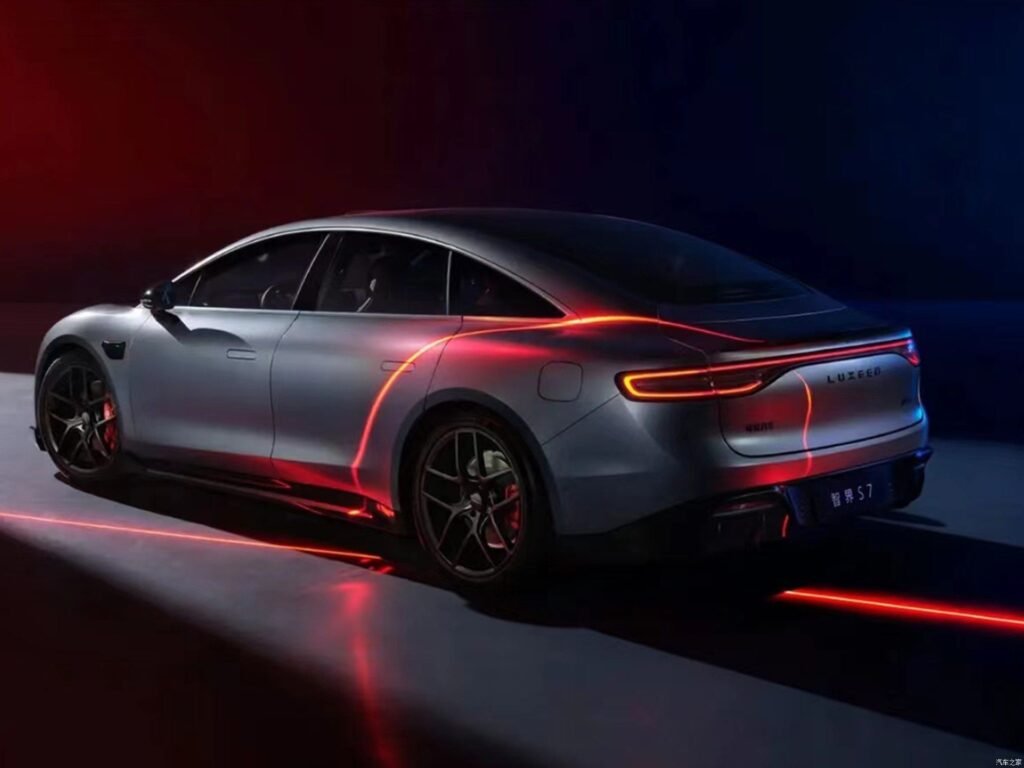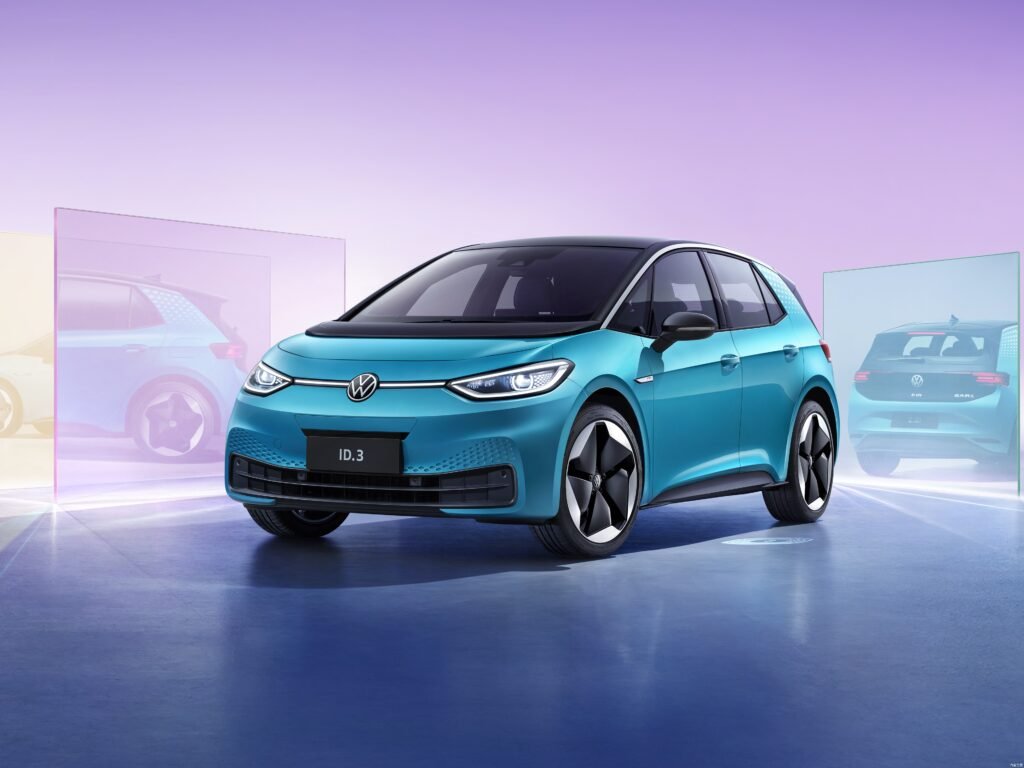
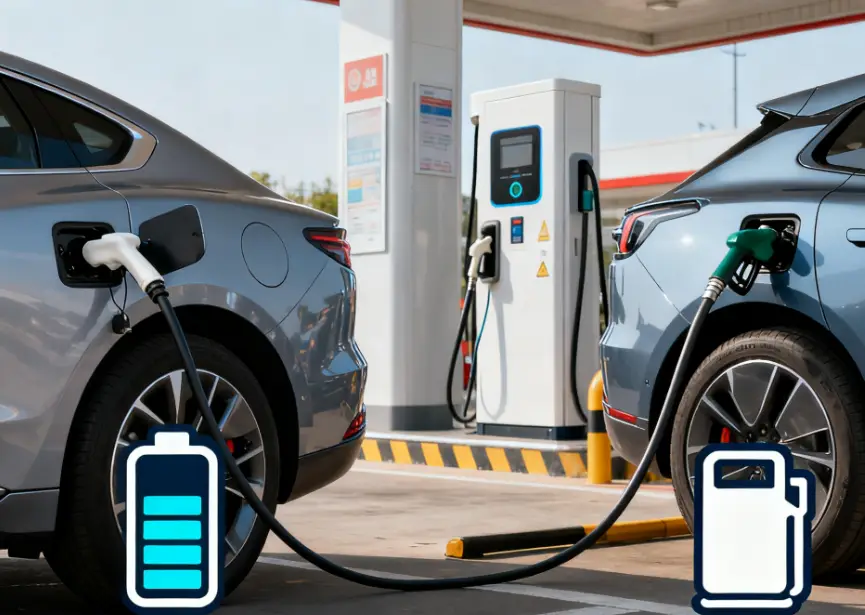
The Chinese new energy vehicle (NEV) market in 2026 is witnessing a fierce ideological battle. On one side, NIO insists that “the end of the range extender is pure electric.” On the other, Li Auto counters that “the end of the range extender is 5C range extension.” However, beneath the war of words, a significant market shift is occurring: the extended-range electric vehicle (EREV), once considered a “traffic code” for sales success, is seeing its popularity wane.
The Ideological Clash: NIO vs. Li Auto
The debate has been fueled by public statements from top executives of China’s leading EV startups.
- NIO’s Stance: In late May, NIO’s founder William Li argued that EREVs, which lug around an internal combustion engine and generator, are not optimal from an energy efficiency and business logic perspective. NIO remains committed to the pure electric (BEV) path. Shortly after, NIO’s President of Onvo, Shen Fei, posted data showing that in May, BEVs accounted for 67% of the NEV market, while EREVs held only 9%, further pressing the point.
- Li Auto’s Retort: Li Auto’s founder, Li Xiang, responded by cautioning against an “energy hierarchy,” emphasizing that BEVs and EREVs serve different user needs. The rhetoric escalated on June 23rd, during the launch of the Li L8. Li Auto’s President of Product, Liu Jie, directly countered NIO’s argument, stating that “the end of EREV is BEV” is merely a competitor’s sales pitch. In his view, the true “end” of EREV is the 5C extended-range system, which aims to enhance the technology’s existing strengths.
The Data Doesn’t Lie: The EREV “Golden Era” is Fading
While executives argue, the sales figures paint a much clearer picture.
- Sales and Market Share Plunge: According to the China Passenger Car Association (CPCA), BEV retail sales in May 2026 reached 637,000 units – a staggering seven times higher than EREV sales (85,000 units). More critically, EREV sales plummeted by 28% year-over-year, with its market share shrinking from 10.3% to just 7.0%.
- Owners are Switching: A McKinsey survey revealed that 60% of current EREV owners plan to choose a pure electric vehicle for their next purchase. This “defection” from their own user base is a severe blow to the EREV value proposition.
- Li Auto’s “Actions Speak Louder”: Interestingly, Li Auto, the vocal defender of the EREV, has also launched its own BEV model, the i6, which has sold over 20,000 units for three consecutive months. This subtly suggests that even the champion of range-extenders doesn’t want to miss out on the massive BEV market.
Why is the “Traffic Code” Failing? The Three Blows from BEVs
The EREV’s core value proposition has always been simple: eliminate range anxiety by combining electric driving with a gasoline “backup” generator. However, this unique selling point is being systematically dismantled by rapid advancements in BEV technology, described in the article as “three blows”:
- Blow 1: Range Maxed Out. New 2026 BEVs offer 400-600 km for affordable models and an impressive 700-900 km for mainstream 200,000-300,000 RMB ($27,500-$41,000) vehicles, with several flagships exceeding 1,000 km.
- Blow 2: Charging Speed. With the proliferation of 800V high-voltage platforms, “charging for 10-15 minutes to gain 300 km” is becoming standard. BYD’s flash charging technology even claims “5 minutes for a basic charge, 9 minutes for a full charge.”
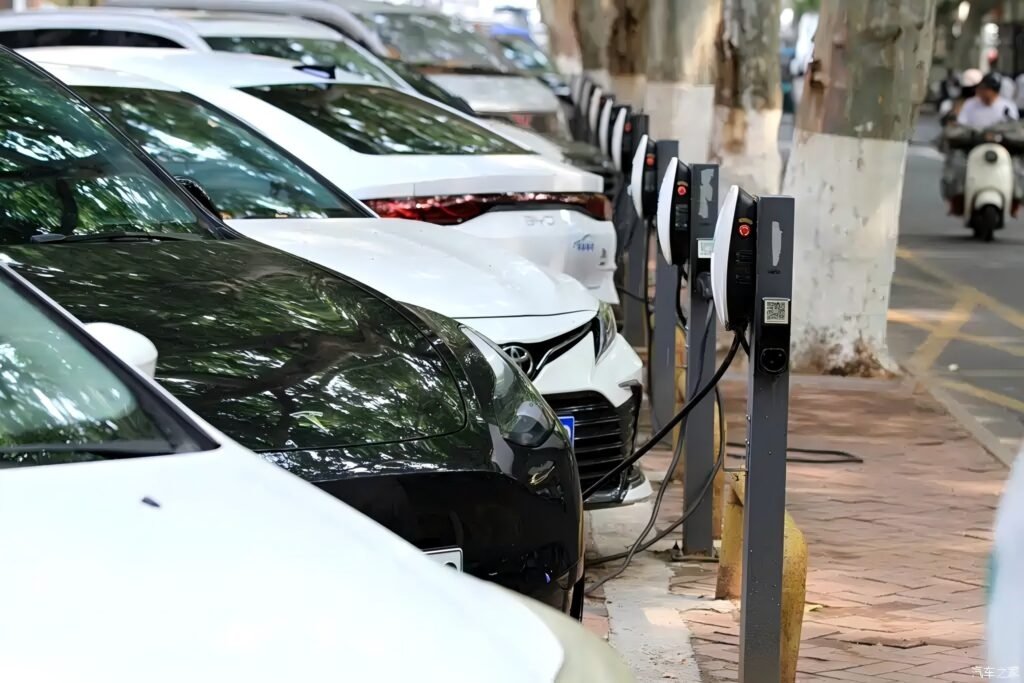
- Blow 3: Charging Network. Fast chargers now cover over 98% of China’s highway service areas, with extensive coverage in third- and fourth-tier cities.
These three advancements have fundamentally undercut the EREV’s primary reason for being. When combined with rising oil prices, the cost advantage of BEVs becomes even more compelling. The CPCA’s Secretary General, Cui Dongshu, has characterized this not as a short-term fluctuation, but as a structural turning point.
The EREV Paradox and Its Future Niche
In response to the decline, some manufacturers are pushing for “Super EREVs” with larger batteries offering 400-500 km of pure electric range. But this direction raises a fundamental question about efficiency.
- The “Burning Question”: Many EREV owners use electricity for 95% of their driving, with the gasoline generator rarely kicking in. As William Li pointed out, is it really efficient to carry around hundreds of kilograms of an engine and fuel tank for a few rare long trips each year?
- The Weight Tax Issue: EREVs are generally heavier (over 70% of vehicles weighing more than 3 tons are EREVs). China’s purchase tax is already linked to weight and energy consumption, and there’s potential for a future “weight tax,” which would further erode the EREV’s economic appeal.
Ironically, the push towards “Super EREVs” with massive batteries aims to make the engine even less necessary. This direction is essentially trying to make an EREV as much like a BEV as possible.
Conclusion: EREVs Won’t Disappear, But the “Honeymoon” is Over
The article concludes with a balanced perspective, not a complete dismissal of EREVs. It offers practical advice on who should still consider one:
Who is an EREV still best for?
- Drivers without home charging: The backup generator provides a crucial safety net against inconvenient public charging infrastructure.
- Frequent long-distance travelers: For those with one car used for regular cross-province trips or holiday journeys home, an EREV can eliminate charging anxiety.
- Residents of extremely cold regions: Where BEV range can drop by 30-50% in winter, the EREV’s ability to use engine waste heat for cabin heating offers a clear advantage.
The Final Takeaway: EREVs are unlikely to completely disappear. They still have a role in specific scenarios like the northern Chinese winter or in remote areas. However, the period of rapid growth driven by the simple “electric with a backup” promise in China’s mainstream market is definitively over. When choosing your next car, don’t get caught up in the rhetoric. Carefully consider your own driving habits, charging access, and local climate – that’s the only way to make the right decision.