ichelabamotor

China’s New Auto Safety Standard Bans Hidden Door Handles 2027

China has introduced a new mandatory national safety standard prohibiting hidden or electric door handles on vehicles, a design popularized by Tesla and widely adopted in the electric vehicle industry. The Ministry of Industry and Information Technology (MIIT) announced the regulation on February 2, which will take effect on January 1, 2027. It requires all electric vehicles (EVs) sold in China to be equipped with standard mechanical door handles, both inside and outside the vehicle. For models already approved for sale or scheduled for launch, the deadline to complete necessary design changes is extended to January 1, 2029. Key Requirements of the New Standard Context and Rationale The regulation addresses growing safety concerns. While hidden and electric handles are praised for their sleek aesthetics and aerodynamic benefits, they have been linked to critical risks in emergencies. The MIIT cited incidents where power failure or vehicle damage rendered doors impossible to open from the outside, hindering rescue efforts. A notable case involved a Xiaomi SU7 sedan that caught fire after a collision in October 2025. Rescuers were unable to open the doors, leading to the driver’s death and sparking intense public debate over the safety of such designs. This move marks a significant shift for automakers, especially EV brands that had made hidden handles a signature design element, and signals a stronger regulatory focus on passive safety in the era of electrification. Would you be interested in a similar analysis of the new mandatory AEB (Automatic Emergency Braking) standard mentioned at the end of the article?

China’s New Auto Safety Standard Bans Hidden Door Handles 2027 Read More »

China’s January NEV Wholesale Sales Edge Up 1% to Estimated 900,000 Units: CPCA

China’s passenger new energy vehicle (NEV) wholesale sales for January 2026 saw a minimal year-on-year increase but a sharp sequential decline, according to the latest estimates from the China Passenger Car Association (CPCA). The data indicates that January sales reached approximately 900,000 units, marking a 1% increase compared to January 2025. However, this figure represents a significant 42.42% drop from the 1,563,000 units sold in December 2025. A primary driver for this steep month-on-month decline was the front-loading of consumer demand into December, ahead of the expiration of the national NEV purchase tax exemption policy. Top-Performing Automakers in January 2026 Leading automakers dominated the sales landscape in January. The following table lists the major players with their estimated wholesale sales figures: Automaker NEV Wholesale Sales (Units) BYD 205,518 Geely Auto 124,525 Tesla China 69,129 Chery 47,895 Seres 40,012 Xiaomi EV 39,000 Leapmotor 32,059 Dongfeng 29,975 Changan 29,868 SAIC-GM-Wuling 28,661 Key Market Drivers and Outlook In summary, China’s NEV market began 2026 with a predictable seasonal cooldown after a policy-driven surge at the end of 2025. While year-on-year growth remains slightly positive, the immediate focus is on how demand recovers as the market adjusts to the new policy environment in the coming months. I hope this report is helpful for your analysis. Would you be interested in a similar breakdown for the retail sales data when it is released later this month?

China’s January NEV Wholesale Sales Edge Up 1% to Estimated 900,000 Units: CPCA Read More »

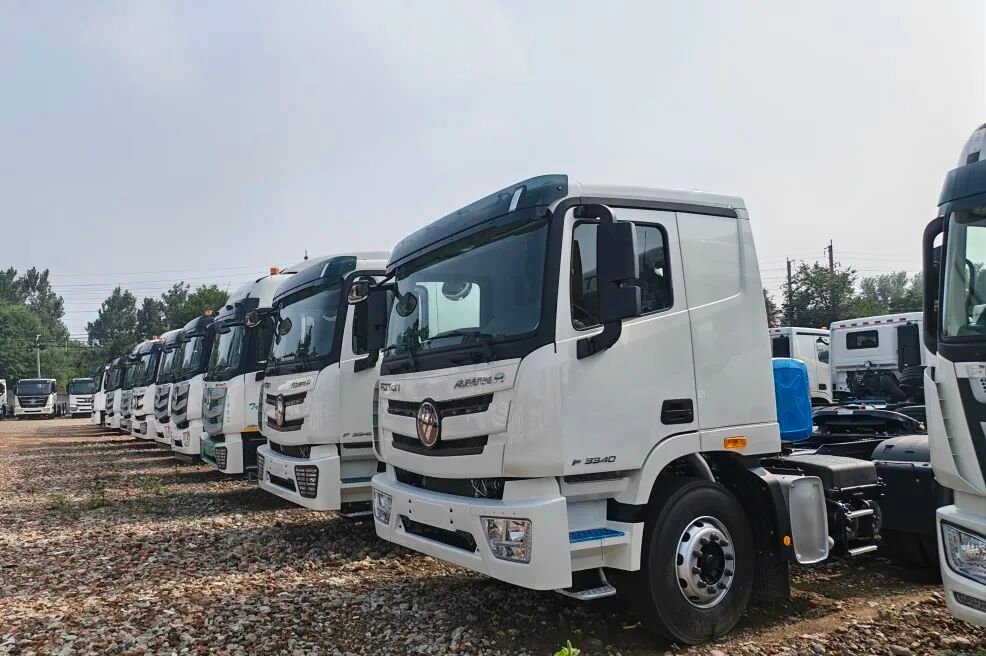
FOTON Delivers AUMAN R Tractor Trucks to Key Caspian Sea Port

FOTON Motor has recently supplied a batch of its new-generation AUMAN R Series tractor trucks to a major container port hub on the Caspian Sea coast. These vehicles are designated for dedicated container transport and short-distance logistics operations within the port terminal. Designed for demanding short-haul applications, the AUMAN R series meets the specific needs of port logistics: high-intensity schedules, consistent container loads, and a critical focus on vehicle uptime and operational efficiency. The trucks are equipped with reliable Cummins engines, delivering the robust performance necessary for smooth starts and efficient handling of loaded containers. Additionally, the optimized powertrain provides enhanced fuel economy compared to similar models, supporting lower long-term operating costs for fleet owners. This delivery will help the port operator strengthen its container transshipment capacity and ensure the smooth, reliable flow of regional logistics networks.

FOTON Delivers AUMAN R Tractor Trucks to Key Caspian Sea Port Read More »

Unlocking New Horizons: Nanjing Ichelaba Motor Technology Announces Exclusive Distributorship in Mongolia

We are thrilled to announce a significant milestone in our journey of global expansion! Nanjing Ichelaba Motor Technology Co., Ltd. has officially signed an exclusive distribution agreement with a premier partner in Mongolia. This exciting partnership marks a strategic leap into the vibrant Mongolian market, underscoring our commitment to bringing reliable, high-quality vehicles to customers worldwide. The agreement outlines an initial target of exporting 100 vehicles, laying a solid foundation for a strong and productive collaboration. This new chapter is just the beginning. As we embark on this venture with our Mongolian partner, we extend a warm and open invitation to the next ambitious automotive distributor or dealer. Are you looking to represent a dynamic and growing brand in your region? If you are passionate about the automotive industry and seeking a trusted manufacturer with proven expertise and a commitment to mutual success, we want to hear from you. Let’s explore how we can build a powerful partnership together. Join us in driving innovation and excellence on the global stage. Contact Nanjing Ichelaba Motor Technology today to discuss potential dealership and distribution opportunities.

Unlocking New Horizons: Nanjing Ichelaba Motor Technology Announces Exclusive Distributorship in Mongolia Read More »

How to Import Cars from China: A Comprehensive Step-by-Step Guide

As the whistles of new cars sound in ports around the world, the globalization of China’s automobile manufacturing industry is advancing at an unprecedented pace. How can global importers seize the opportunity in this wave? Chinese-made vehicles are gaining increasing recognition in the global market. From economy cars to high-end electric models, China’s automotive industry offers a diverse range of choices. According to data from the China Association of Automobile Manufacturers, China’s automobile exports exceeded 5 million units in 2023, surpassing Japan for the first time to become the world’s largest auto exporter. This achievement not only reflects the technological progress of China’s automotive manufacturing but also signals a significant shift in the global automotive trade landscape. 01 Market Opportunities The rise of China’s automotive industry is no accident. After decades of development, China has established a complete automotive supply chain and advanced manufacturing capabilities. In recent years, breakthroughs in the new energy vehicle sector have been particularly notable, with brands like BYD, NIO, and XPeng emerging on the international stage. Chinese automakers not only offer strong price competitiveness but also demonstrate unique advantages in cutting-edge fields such as intelligent connectivity, battery technology, and autonomous driving. These technological advancements have become key factors driving global buyers to consider importing cars from China. Against the backdrop of global supply chain restructuring, importers in many countries are beginning to seek diversified procurement channels to reduce dependence on traditional automotive manufacturing centers. This trend has created a new window of opportunity for Chinese auto exports. 02 Advantage Analysis The most direct appeal of importing cars from China lies in price advantage. Fierce competition among domestic Chinese brands and scaled production give vehicles a clear competitive edge in pricing. Even for international brands manufactured in China, their prices are often lower than those of the same models imported directly from Europe or the United States. Chinese cars often come with richer technological configurations, with many models featuring advanced functions as standard equipment that would require additional fees in European or American markets, such as intelligent driving assistance systems, large touchscreens, and advanced infotainment systems. The leading position of China’s automotive industry in the electric vehicle sector cannot be ignored, with battery technology, charging efficiency, and overall vehicle intelligence all at the forefront globally. 03 Detailed Import Process The entire process of importing cars from China can be broken down into eight key steps, each requiring careful planning and professional support. Finding a reliable supplier is the first and most critical step. A quality supplier not only provides suitable products but can also assist with subsequent complex logistics and customs clearance procedures. Professional auto export companies like ICHELABA MOTOR –https://ichelabamotor.com/ can provide end-to-end import solutions, greatly simplifying the entire process. During the model selection and price negotiation phase, importers need to assess the regulatory requirements of the target market to ensure that the chosen model complies with local emission standards, safety regulations, and technical specifications. Long-term factors such as after-sales service and parts supply should also be considered. Completing registration, inspection, and compliance are necessary procedures before vehicle export. Chinese customs and inspection authorities will conduct export inspections on vehicles to ensure they meet export standards and issue relevant certification documents. Following pre-import regulations involves administrative work such as obtaining import licenses and filling out customs forms. Required documents typically include bills of lading, commercial invoices, vehicle certificates, and import permits. Understanding the cost structure is an important foundation for import decision-making. In addition to the vehicle invoice price, importers also need to consider value-added tax or consumption tax, modification costs, export fees, shipping and insurance costs, import processing fees and duties, as well as transportation, storage, and delivery costs upon arrival. 04 Logistics and Transportation Options Choosing the right logistics solution is crucial to ensuring vehicles arrive safely and on time. Roll-on/Roll-off (RoRo) shipping is the most commonly used method for automobile import and export, where vehicles can be driven directly onto specially designed vessels. Full Container Load (FCL) shipping provides a higher level of protection, particularly suitable for high-end vehicles or smaller batch shipments. Shared container services offer a more cost-effective option, suitable for importers with limited budgets. Regardless of the transportation method chosen, it’s necessary to discuss shipping costs, transit times, departure and destination ports, and shipping methods in detail with the logistics company. Professional logistics partners can provide optimized transportation solutions and real-time tracking services. 05 Customs Clearance and Local Compliance After vehicles arrive at the destination port, local customs authorities will review all import documents and calculate applicable duties and taxes. This process requires a complete document package, including commercial invoices, bills of lading, certificates of origin, and insurance certificates. Many countries require imported vehicles to pass local vehicle compliance tests to ensure they meet safety and emission standards. This may require certain modifications, such as adjusting lighting systems, emission controls, or safety devices. After completing customs clearance, importers need to register the vehicle according to local regulations. This typically involves submitting documents, passing safety inspections, meeting emission standards, purchasing vehicle insurance, and paying registration fees, taxes, etc. 06 Cost Structure and Budget Planning Understanding the total cost of importing cars is key to successful importing. Direct costs include vehicle procurement price, international shipping, insurance, and tariffs. Indirect costs include document processing fees, port operation fees, inland transportation fees, storage fees, and possible modification costs. Importers in emerging markets also need to consider the risk of currency exchange rate fluctuations. Establish a detailed cost budget sheet and reserve 10-15% contingency funds to address unforeseen expenses. Working with experienced import agents can help accurately estimate total costs and avoid budget overruns. When importing cars from China, long-term ownership costs also need to be considered, including parts supply, warranty services, and potential resale value factors. As the last imported car completes local registration, the journey that began on the production line of a Chinese factory officially comes to an end. Data from international logistics companies shows that China’s automobile export transportation time has shortened by 30% compared to five years ago. Currently, over 100 countries have become destinations for Chinese auto exports, from

How to Import Cars from China: A Comprehensive Step-by-Step Guide Read More »

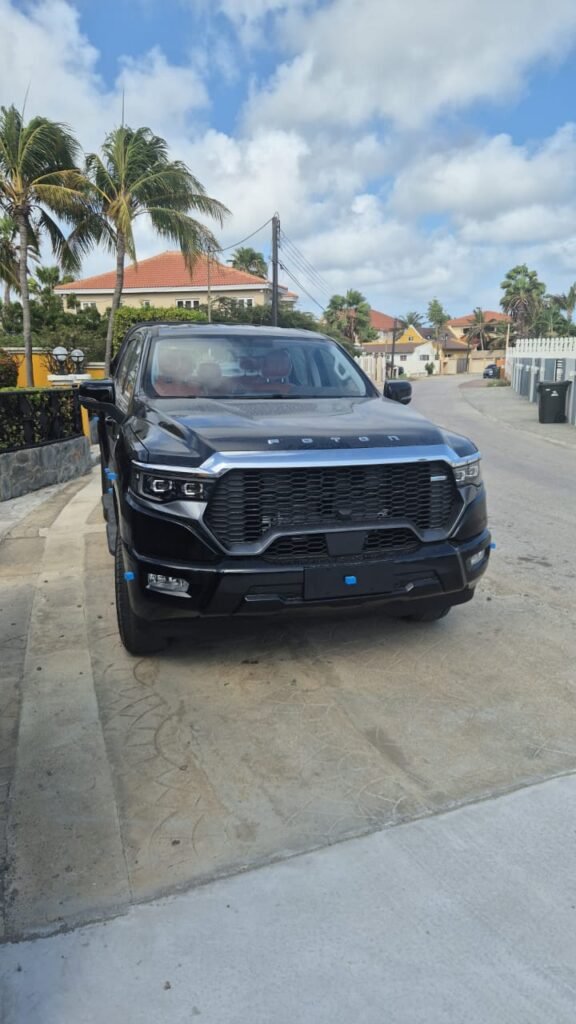
Foton TUNLAND V9 Wins Third Place at the International Pickup Awards!

Recently, the FOTON TUNLAND V9 impressed judges at the International Pick-up Awards in Bulgaria, where it underwent rigorous testing by European Automotive Media Selection. Its exceptional off-road performance and reliable quality stood out in challenging conditions, earning it a highly commendable Third Place, showcasing its strong competitive edge in the global market.

Foton TUNLAND V9 Wins Third Place at the International Pickup Awards! Read More »

Changan new energy vehicles 2026

In 2025, Changan Automobile achieved a historic milestone, recording total sales of 2.913 million vehicles—an 8.5% year-over-year increase and its highest sales volume in nearly a decade. This remarkable growth was driven by the collective strength of its brand portfolio, including Changan Yinli, Changan NEVO, Deepal, and Avatr. More significantly, the company accomplished a strategic transformation from being an “incremental supplement” to a “core pillar” in the market, with new energy vehicle (NEV) penetration reaching unprecedented levels. This shift underscores the successful implementation of Changan’s “Shangri-La” NEV strategy and “Beidou Tianshu” intelligent driving initiative. A landmark development in July 2025 was the establishment of China Changan Automobile Group Co., Ltd. Registered in Chongqing with a registered capital of RMB 20 billion, the state-owned enterprise is directly supervised by the State-owned Assets Supervision and Administration Commission (SASAC) and focuses on smart automotive robotics, flying cars, embodied intelligence, and global expansion across five key regions: Southeast Asia, the Middle East and Africa, Central and South America, Eurasia, and Europe. Changan also celebrated the production of its 30-millionth vehicle in 2025. The journey from 10 million to 30 million units was achieved in just 11 years, reflecting the group’s accelerated growth and scaled, high-quality development. With Avatr solidifying its position in the premium segment and brands like Deepal, NEVO, and Yinli covering mainstream markets, Changan’s diversified brand strategy has proven highly effective. Overseas sales surpassed 600,000 units for the first time, supported by the launch of its Rayong plant in Thailand—a key step in transitioning from exporting products to establishing a global industrial presence. In intelligentization, Changan’s Beidou Tianshu plan evolved to its 2.0 version, achieving L3-level autonomous driving certification and enabling the large-scale application of intelligent technologies. Changan’s 2026 Vehicle Launch Roadmap Changan new energy vehicles 2026: Changan NEVOWith annual sales exceeding 411,000 units in 2025, Changan NEVO will introduce two volume-driven models in 2026: the mid-size SUV Q06 and a facelifted version of the A05 compact sedan. The brand aims to sell 550,000 vehicles in 2026. Deepal AutomotiveDeepal sold 333,000 units in 2025 and obtained L3 autonomous driving certification for its SL03 model. In 2026, Deepal will launch at least one all-new vehicle, with plans to release 30 models across sedans, SUVs, and off-road vehicles in the next five years. Avatr TechnologyAvatr delivered over 120,000 vehicles in 2025. For 2026, the brand will introduce a refreshed Avatr 12 sedan and two new models: the G618, a full-size six-seat SUV, and the D706, its first MPV. An Avatr 06 Touring version is also under development. Changan Yinli & Other Lineup UpdatesChangan Yinli sold 919,000 units in 2025. Key 2026 launches include facelifted versions of the Changan Yidong, UNI-V, and CS75 PLUS, along with a four-door edition of the Changan Lumin mini EV. Future Strategy: Dual-Driven Growth Looking ahead, Changan has outlined a clear “dual-driven” roadmap. From 2026 to 2028, the group will launch 43 new models, including 13 sedans, 20 SUVs, 1 MPV, 3 pickups, and 6 commercial vehicles. Over 80% of these will be NEVs, with the remaining models focusing on fuel efficiency. Globally, Changan plans to introduce 26 new models in more than 140 countries and regions. The company will continue investing over 5% of its annual revenue in R&D, focusing on intelligent driving, AI-powered cabins, next-generation batteries, and cutting-edge fields such as embodied AI robotics and flying cars.

Changan new energy vehicles 2026 Read More »

Best Chinese cars in Middle East 2025

Chinese automotive brands have gained strong recognition across the Middle East thanks to their high cost-performance ratio, reliability, and continuously improving quality. Based on export data and regional market performance, here are the most popular Chinese car models in the Middle East today: Chery Tiggo Series – The Tiggo 7 and Tiggo 8 are standout performers. The Tiggo 7 has been awarded “Best-Selling SUV” in Qatar for three consecutive years and remains a top-seller across the region. The Tiggo 8, available in both fuel and plug-in hybrid versions, is also highly popular due to its strong value and localized service network. Haval H6 – Great Wall Motor’s Haval H6 is a globally successful SUV and maintains high visibility and sales in the Middle East, making it a long-standing leader in the fuel-powered SUV segment. Changan CS75 PLUS – Widely favored in the Middle East, the CS75 PLUS is recognized as a champion in fuel SUV exports and remains a key competitor in the region’s conventional vehicle market. BYD Song PLUS DM-i – As the world’s top-selling plug-in hybrid, the Song PLUS DM-i has quickly penetrated the Middle East’s premium NEV market with its Blade Battery technology, long electric range, and high safety standards, becoming BYD’s sales pillar in the region. Jetour Traveler – Jetour (under Chery) has seen rapid growth in the Middle East with its Traveler model, which features rugged off-road styling and has recorded substantial year-on-year export growth. MG ZS – Although facing increased competition from NEVs in 2025, SAIC’s MG ZS retains a solid user base and sales presence in the Middle East, having once been China’s top export model. Tank 300 – Great Wall’s Tank 300 is a benchmark in the off-road segment, attracting a loyal following in the Middle East thanks to its robust performance and durability. Geely Binyue COOL – With its youthful design and agile handling, the Binyue COOL is particularly popular among younger Middle Eastern consumers, exporting over 50,000 units annually. Dongfeng Fengxing T5 EVO – Known in the region for its smart features and attractive pricing, the T5 EVO is a key export model for Dongfeng in the Middle East. BAIC BJ40 – As a representative Chinese off-road vehicle, the BJ40 holds a notable market share in the Middle East and is well-regarded among customers seeking reliable Off-road capability. It is important to note that the Middle East comprises diverse markets with varying consumer preferences and import policies. For example, the Tiggo 7 performs exceptionally well in Qatar, while the Tank 300 may be more popular in countries like Saudi Arabia.

Best Chinese cars in Middle East 2025 Read More »

Top 10 Chinese cars exported 2025

In 2025, China’s automobile export sector once again achieved extraordinary growth, with total exports reaching 8.324 million vehicles—a remarkable 30% year-over-year increase—further solidifying its pivotal role in reshaping the global automotive industry landscape. A Balanced Powertrain Strategy: ICEs as the Foundation, NEVs as the Growth EngineChina’s vehicle export mix demonstrates a well-balanced structure, characterized by “internal combustion engines (ICE) stabilizing the base, and new energy vehicles (NEVs) driving breakthroughs.” Conventional fuel models still account for about 40% of total exports, primarily targeting practical family transportation needs in emerging markets. Their spacious cabins and rich feature sets precisely meet local demands, forming a stable foundation for China’s global automotive expansion. Pure electric vehicles (BEVs) maintain strong momentum, representing nearly 30% of exports and continuing their rapid growth trend in recent years.The standout segment, however, is plug-in hybrid electric vehicles (PHEVs). Although their current share is smaller than those of ICE and BEV models, PHEVs are the fastest-growing category. By combining electric driving with fuel-based extended range, they effectively address range anxiety and have quickly gained traction in international markets, emerging as a powerful new growth driver for China’s NEV exports. This diversified powertrain approach not only ensures steady growth in export volume but also creates a complementary ecosystem where emerging and mature markets can adopt NEVs at their own pace. Global Reach: From Emerging to Developed MarketsChinese auto exports now cover a wide spectrum of markets, including both traditional emerging economies and developed regions. Major export destinations include Mexico, the UAE, Brazil, the United Kingdom, Australia, Belgium, and Saudi Arabia. The Middle East, in particular, holds significant potential. Countries such as the UAE and Saudi Arabia, with their strong demand for premium vehicles and commitment to energy transition, have become key markets for Chinese NEVs. Chinese automakers are successfully introducing high-end, intelligently equipped electric models tailored to local preferences, rapidly earning consumer recognition. Top 10 Best-Selling Chinese Cars Overseas in 2025Here are the top 10 most exported Chinese car models in 2025, leading the charge in the global market: Competitive Edge: Cost Efficiency Without Compromising QualityCost competitiveness remains a key strength for Chinese auto exports. Through economies of scale, optimized supply chains, and continuous improvements in manufacturing processes, Chinese automakers can maintain high product quality while controlling production costs. This advantage allows Chinese vehicles to offer compelling value in competitive international markets. Looking ahead, China’s automotive industry is poised to make even greater breakthroughs worldwide, providing global consumers with more high-quality, innovative, and value-driven mobility choices.

Top 10 Chinese cars exported 2025 Read More »

P or N at Red Lights? How to Avoid Costly Transmission Damage

the $1,730 Mistake Most Drivers Make Mr. Zhang was waiting at a red light, casually scrolling through his phone with his car in Park (P). A gentle bump from the car behind seemed harmless at first—just minor bumper scratches. But then his dashboard lit up with warning lights. The diagnosis? A shattered transmission lock mechanism, costing $1,730 to repair. The mechanic explained: “If he’d been in Neutral (N) with the parking brake on, this minor collision wouldn’t have damaged the transmission at all.” This real case reveals what 90% of drivers get wrong at traffic lights. Using the wrong gear can lead to: P vs. N: What’s the Difference and Why It Matters? Neutral (N) – The True “Free” Gear Neutral completely disconnects the transmission from the wheels. Your car can roll freely if not properly secured. Key fact: Without the parking brake, even slight inclines can cause dangerous rolling. One driver learned this the hard way when their car rolled into an electric bike, resulting in full liability for the accident. Park (P) – The Parking Lock Park mode engages a small metal pin (parking pawl) that locks the transmission gears. It’s designed for long-term parking only. Critical warning: If your car is hit from behind while in P, that small pin absorbs all the impact force. This often leads to bending or breaking, requiring complete transmission repairs. Real case study: A Guangzhou driver had their transmission lock mechanism destroyed after a minor rear-end collision while in P on a slope. Total repair cost: 8,000 RMB ($1,150). 3 Smart Scenarios for Red Light Stops Scenario 1: Short Stops (Under 30 Seconds) Best practice: Stay in D + Hold Brake (or Use Auto Hold) Expert tip: Modern cars with Auto Hold functions automatically maintain brake pressure when stopped, letting you rest your foot safely. Scenario 2: Medium-Long Stops (30 Seconds to 2 Minutes) Best practice: Switch to N + Engage Parking Brake Safety reminder: Always engage the parking brake in N. One driver watched helplessly as their car rolled downhill into a tree after forgetting this step. Scenario 3: Slope Stops (Any Duration) Best practice: Parking Brake FIRST, THEN P Important sequence: Stop → Parking brake → Shift to P → Release foot brake Transmission-Saving Tips from Expert Drivers 1. Always Brake Before Shifting Never switch between D, N, or P without your foot firmly on the brake. Forcing gear changes can damage transmission gears. 2. Avoid “Gear Hopping” For typical 30-second red lights, excessive D-N-D shifting causes more wear than staying in D with brakes applied. 3. Master Your Auto Hold Maintenance comparison: Taxi driver Chen uses N + parking brake at lights—his transmission lasted 320,000 km without major repairs. A colleague who consistently held D with brakes needed transmission work at 180,000 km. Quick Reference Guide: Red Light Gear Selection Situation Recommended Gear Key Action Reason Short wait (<30 sec) D Hold brake or use Auto Hold Quick start, less wear Medium wait (30 sec-2 min) N Always engage parking brake Reduces transmission stress Long wait (>2 min) Consider turning engine off* N + parking brake Saves fuel, reduces emissions On any slope P Parking brake FIRST Prevents transmission damage *Only where safe and permitted Final Safety Reminders FAQ: Common Red Light Gear Questions Q: Does holding D at lights really damage my transmission?A: For short periods (under 30 seconds), minimal impact. For longer stops, N reduces heat and wear. Q: What about electric vehicles?A: EVs benefit even more from N at stops since there’s no traditional transmission. Use Auto Hold features when available. Q: Can I just turn off my engine at long lights?A: If you have start-stop technology, yes. Otherwise, frequent restarting may cause more wear than fuel saved. Bottom line: Match your gear choice to your stopping duration. When in doubt: N + parking brake is almost always the safe choice for waits over 30 seconds.

P or N at Red Lights? How to Avoid Costly Transmission Damage Read More »

The Ultimate Guide to Automotive Parts & Accessories: A Complete Classification

Welcome to the most comprehensive guide on automotive parts and accessories. Whether you’re a car enthusiast, a DIY mechanic, or simply a vehicle owner looking to understand your car better, this Ultimate Guide to Automotive Parts & Accessories will walk you through every essential category. From the engine to the exterior trim, we’ve organized and explained the key components that keep your vehicle running smoothly, safely, and in style. 1. Engine Parts – The Heart of Your Vehicle Engine parts form the core power system of any automobile. 2. Transmission System Parts – Transferring Power These components deliver engine power to the wheels efficiently. 3. Braking System Parts – Your Safety Priority Critical for vehicle control and safety under all driving conditions. 4. Steering & Suspension Parts – Control and Comfort These systems work together to ensure stable handling and a smooth ride. 5. Electrical & Ignition Parts – The Vehicle’s Nervous System Manages power distribution, starting, and electronic functions. 6. Exhaust System Parts – Emissions and Performance Channels exhaust gases away from the engine while reducing noise and pollution. 7. Fuel System Parts – Delivering Energy Stores and supplies fuel to the engine in a controlled manner. 8. Cooling System Parts – Preventing Overheating Regulates engine temperature to prevent damage from excessive heat. 9. Interior Parts & Accessories – Comfort and Convenience Enhances the cabin experience for drivers and passengers. 10. Exterior Parts & Accessories – Style and Protection Adds aesthetic appeal and functional protection to the vehicle’s exterior. 11. Lighting & Visibility Parts – Safety in Illumination Ensures clear visibility and communication with other road users. 12. Tires & Wheels – Where the Road Meets the Vehicle The only point of contact between your car and the road surface. 13. Tools & Maintenance Essentials – For Upkeep and Repairs Equipment needed for routine maintenance and emergency repairs. 14. Fluids, Lubricants & Chemicals – Keeping Systems Flowing Essential liquids that keep mechanical components operating smoothly. 15. Safety & Security Accessories – Protection Inside and Out Designed to safeguard occupants and prevent theft. 16. Performance Upgrades – Boosting Power and Handling For enthusiasts seeking improved speed, power, or driving dynamics. Why This Ultimate Guide to Automotive Parts & Accessories Matters Understanding these categories helps you: Bookmark this Ultimate Guide to Automotive Parts & Accessories as your go-to reference. Whether you’re troubleshooting an issue, planning a modification, or simply satisfying your curiosity, knowledge is the key to better car ownership.

The Ultimate Guide to Automotive Parts & Accessories: A Complete Classification Read More »

The 3-Minute Winter Warm-Up: A Hybrid Owner’s Guide to Saving Fuel & Protecting Your Car 

Winter mornings at -20°C present a familiar dilemma for drivers. Owners of traditional gasoline vehicles might let their engines idle for five minutes, while some hybrid drivers believe the modern myth: “Hybrids don’t need to warm up.” Both approaches can be costly. The first wastes fuel, and the second risks long-term damage to your hybrid’s most critical components. The truth is, hybrid vehicles have a unique “warm-up” logic. It’s not just about the engine; it’s about achieving harmonious cooperation between the engine and the battery pack in freezing conditions. Why Cold is the Enemy: Engine Oil & Battery Chemistry In deep cold, engine oil thickens like honey, struggling to lubricate vital parts. Simultaneously, your hybrid’s lithium-ion battery suffers from reduced chemical activity, lowering its power output and efficiency. Starting off aggressively in this state can lead to increased engine wear and put unnecessary strain on the battery, subtly shortening its lifespan. The Smart Hybrid Warm-Up: “Warm by Moving, Not Just Waiting” Fortunately, your hybrid’s intelligent computer system is designed for this. When the coolant is below 40°C, the engine may run at a higher idle (around 1200 RPM) while the electric motor assists for smooth, efficient initial movement. Crucially, the system uses engine heat to warm the battery, helping it recover optimal performance. The key is to avoid the two extremes: never stomp on the accelerator when cold, and avoid prolonged idling. Idling burns fuel inefficiently, leading to carbon buildup, while a cold, hard acceleration forces the engine to work with poor lubrication. Your Actionable 3-Minute Routine Follow this simple, science-backed routine to protect your investment: Pro-Tips for the Savvy Hybrid Owner In summary, the hybrid winter mantra is: Pause briefly, drive gently, heat smartly. By understanding and trusting your vehicle’s intelligent systems, you move beyond old gasoline-era habits. You’ll ensure your hybrid operates efficiently, durably, and safely all winter long—protecting both your wallet and your vehicle for countless journeys ahead.

The 3-Minute Winter Warm-Up: A Hybrid Owner’s Guide to Saving Fuel & Protecting Your Car  Read More »