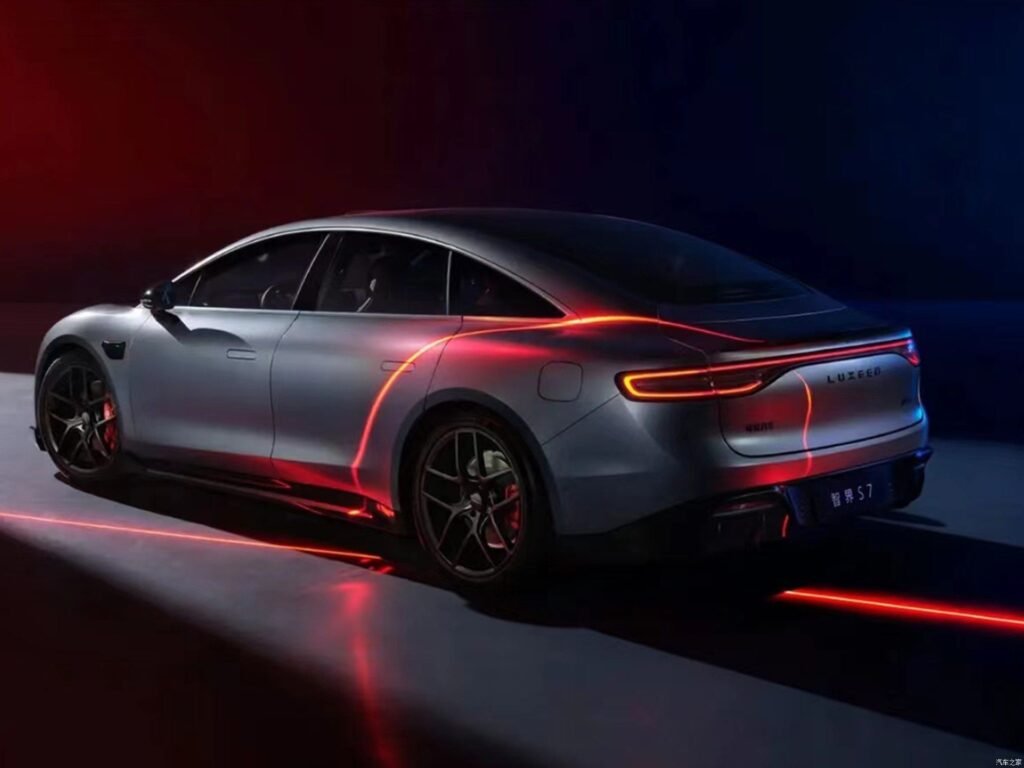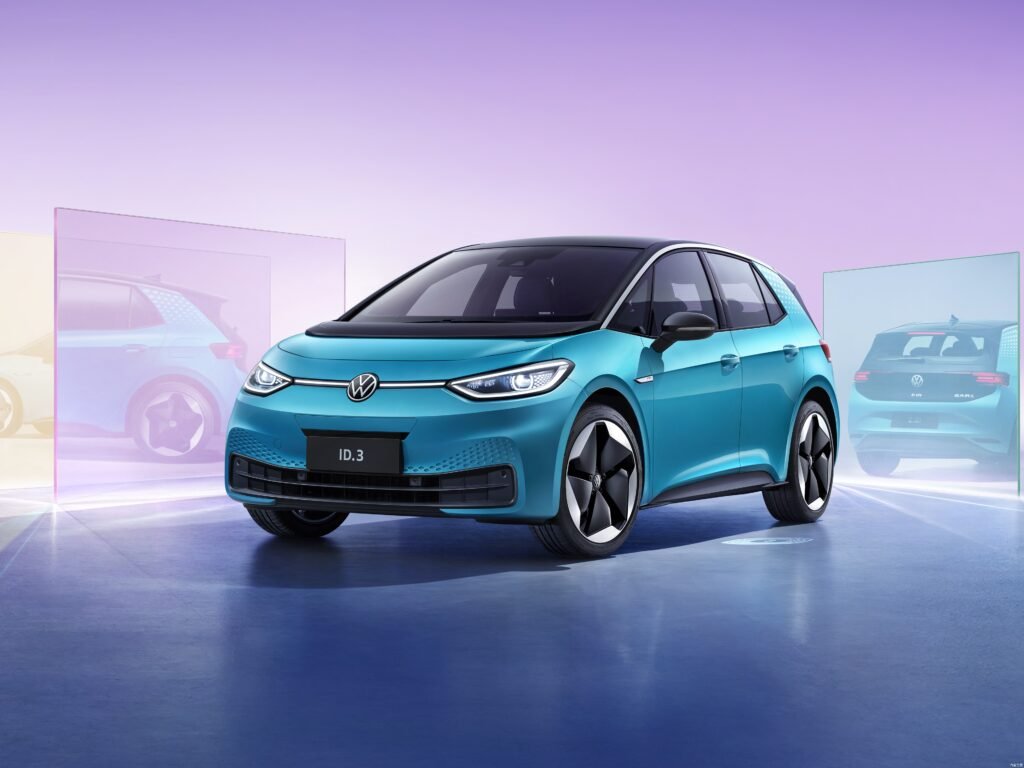
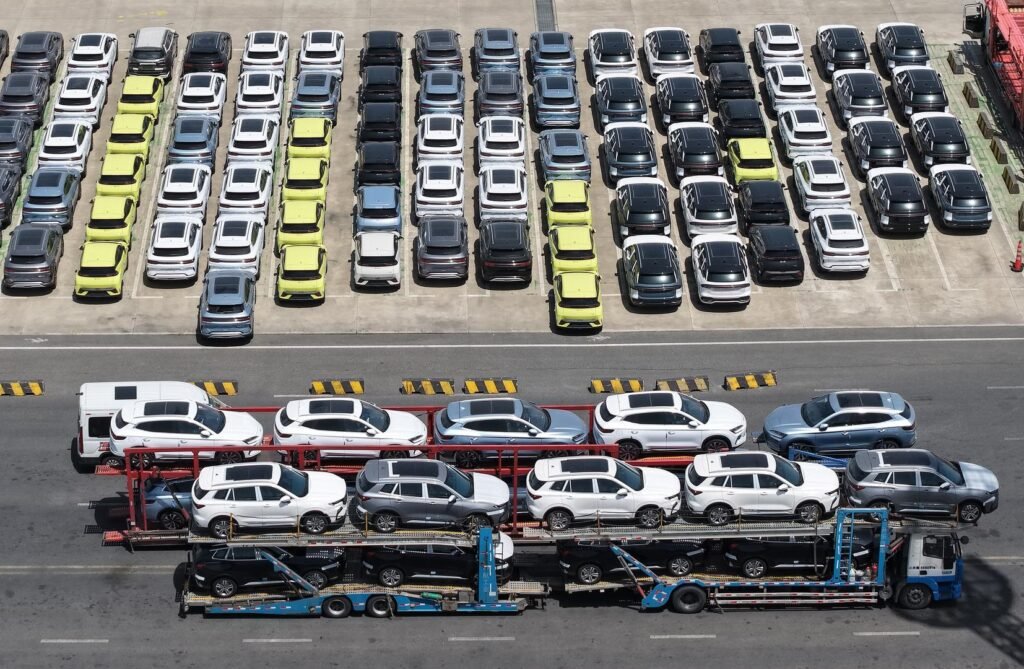
Dateline: The global auto industry just witnessed a seismic shift. In April 2026, Chinese automakers didn’t just grow—they exploded onto the world stage. With oil prices spiking and Western markets scrambling for affordable EVs, China’s export machine hit a new record.
But is this a temporary lucky streak, or the start of a permanent realignment? Let’s dive into the numbers, the drivers, and the road ahead.
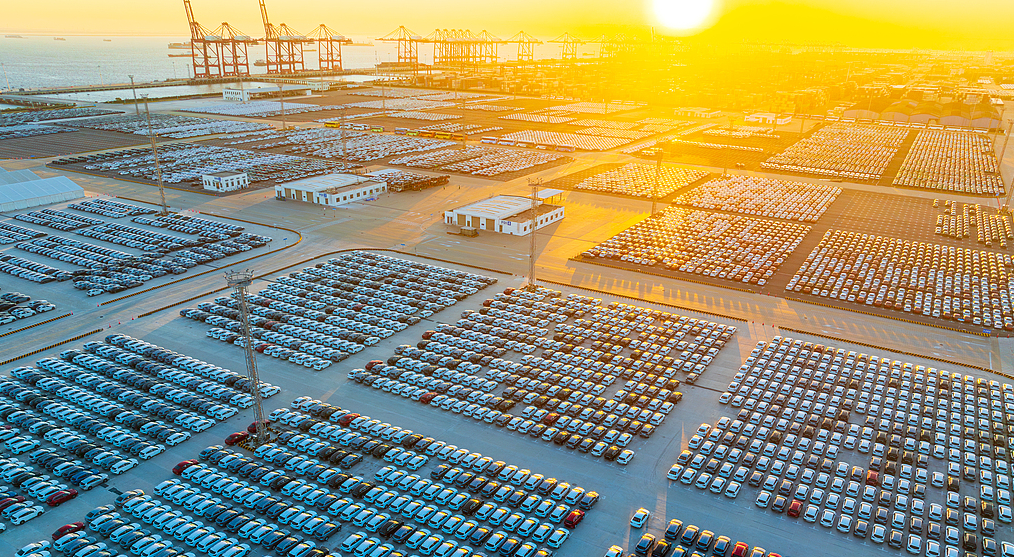
The Scoreboard: Who’s Winning the Export Race?
April 2026 was a month of broken records. Here is how the major players performed:
- Chery Group (The Absolute Leader): 177,600 vehicles (up 102.4% YoY). Chery set a new all-time monthly record for any Chinese automaker. Exports now make up a staggering 70.6% of its total sales.
- BYD (The EV Juggernaut): 134,500 vehicles (up 70.9% YoY). BYD hit an all-time high, with exports now accounting for 42% of its total sales. They have already raised their 2026 target to 1.5 million units.
- SAIC (MG’s Comeback): ~125,000 vehicles. The MG4 continues to shine, breaking 10,000 monthly sales for seven months straight.
- Geely Group (Fastest Growth): 83,200 vehicles (up 245% YoY). Geely is the growth king of the top five, doubling exports for four consecutive months.
- Changan & Great Wall: Changan delivered 72,700 units (+69.9%), while Great Wall sold 50,500 units, proving that fuel-powered SUVs still have a massive global fanbase.
What Are They Selling? (It’s not just EVs)
While the headlines focus on batteries, the reality is a “twin-engine” drive:
- The Base Load (Fuel & Hybrid): Chery’s Tiggo, Changan’s CS series, and Great Wall’s Haval SUVs remain the backbone of exports. These are rugged, spacious, and perfect for markets like the Middle East and Latin America where charging infrastructure is still growing.
- The Accelerator (New Energy): New energy vehicle (NEV) exports are growing faster than fuel vehicles. In January 2026, NEVs broke 50% of total exports for the first time.
- Dark Horse Alert: Leapmotor exported over 40,000 units in Q1, up 430% YoY, leveraging Stellantis’s global dealer network.
Why April 2026? The Three Engines of Growth
So why did this happen now? It’s a perfect storm of three factors:
1. The Oil Price Shock (The Trigger)
Since March, escalating tensions in the Middle East (Strait of Hormuz disruptions) have sent crude oil from 60tonearly∗∗60tonearly∗∗120 per barrel**. Suddenly, filling a gas tank is a luxury. This is driving a “fuel-to-electric” switch in price-sensitive markets faster than anyone predicted.
2. The Tech Advantage (The Backbone)
Even without high oil prices, Chinese EVs are simply better value. Western markets are waking up to the fact that China has a 2-3 year lead in battery range, smart cockpits, and autonomous driving features—all at a lower price point thanks to a hyper-efficient supply chain.
3. Mature Distribution (The Harvest)
This didn’t happen overnight. Chery spent 20 years building relationships in Africa and the Middle East. BYD has been opening flagship stores in Southeast Asia and Latin America for years. Those long-term bets are finally paying off.
Can the Growth Last? (Challenges & Opportunities)
The Bull Case (Optimism):
CITIC Securities predicts that if the Strait of Hormuz remains blocked, oil stays high, making Chinese hybrids (PHEVs) and EVs the most logical purchase globally. The China Association of Automobile Manufacturers (CAAM) expects 7.4 million exports in 2026, with some analysts betting on 8 million.
The Bear Case (Risks):
The road is bumpy. Tariffs are coming. Western nations and trading blocs are scrambling to protect local manufacturers. However, there is good news: the recent “EV price commitment” deal with the EU has “soft-landed,” providing a clearer path for Chinese brands like MG and BYD to enter Europe without punitive tariffs.
The Final Word
April 2026 wasn’t an accident. It is the moment geopolitics met industrial policy.
High oil prices opened the door, but technology and cost-efficiency kept it open. Chinese automakers have transformed from “cheap copycats” into global supply chain masters.
As one industry expert put it: “Without long-term cultivation, supply chain maturity, and breakthroughs in batteries and AI, they wouldn’t have been able to catch this wave.”
The global auto order is being rewritten. Whether the destination is 7 million or 8 million exports in 2026, one thing is clear: China is no longer just the world’s factory for cars—it’s the world’s showroom.